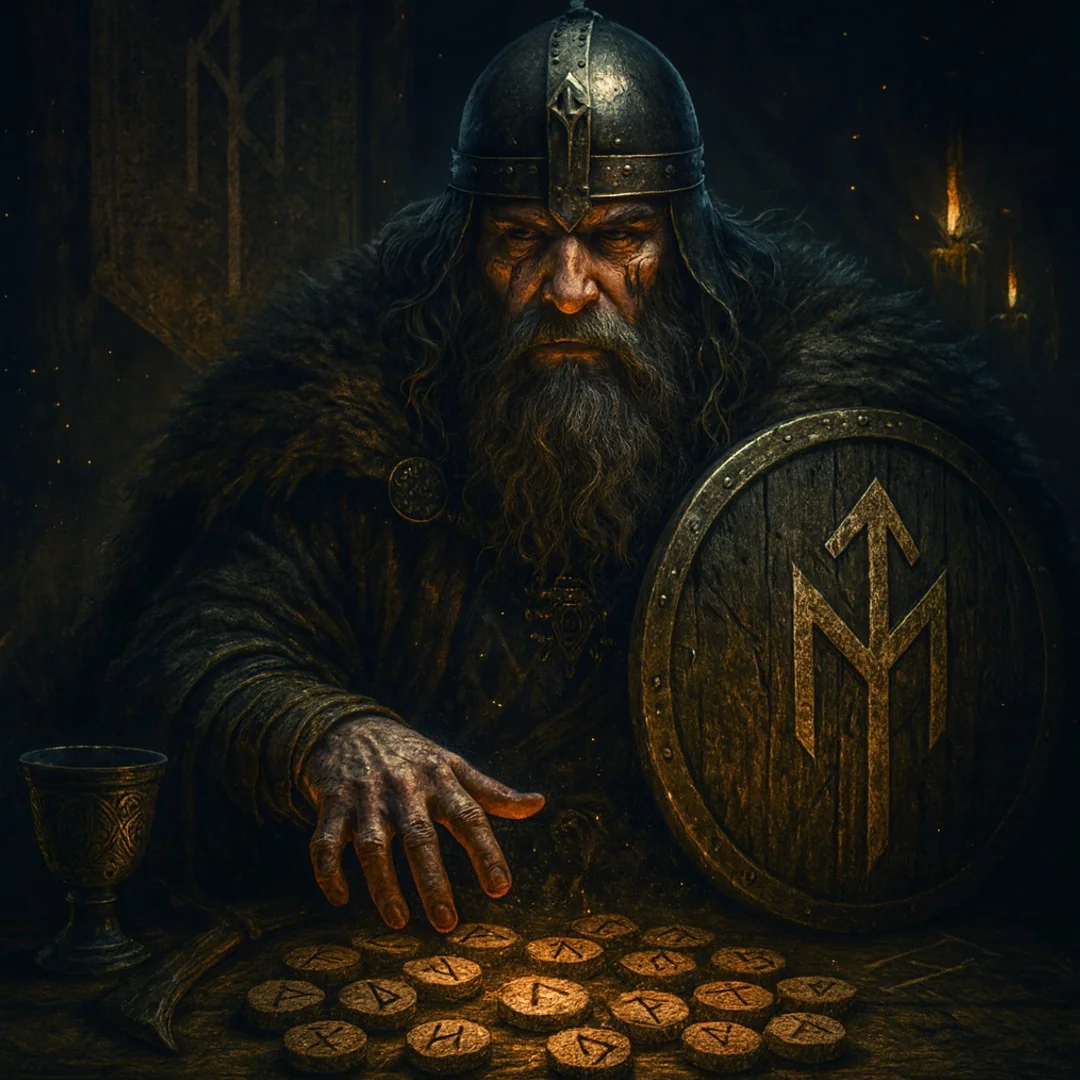
Deep in Northern Europe, a civilization emerged shrouded in mystery and legend, the world of the Vikings, their priests, and wise men, who believed the universe was governed by hidden forces. They thought these forces could be reached and influenced through sacred symbols known as runes.
These symbols were far more than just an alphabet. They formed a mystical language believed to connect with the gods and nature, used in magic and divination. Practitioners thought runes could bring fortune or disaster, offer protection, or cast curses.
Centuries after their traditional use faded, runes continue to fascinate people around the world. Some study them for their historical significance, while others use them in spiritual rituals and divination practices similar to Tarot, or even as tattoos imbued with deep meaning. In this article, we’ll explore the world of runes—their secrets, meanings, and how they’ve been used in both the past and present.
The Origins of Runes
The earliest rune inscriptions date back to around the 2nd century AD. Germanic tribes used them across regions that now include Denmark, Norway, Sweden, and Germany. The oldest runic system is known as the Elder Futhark, consisting of 24 symbols, each with a name and meaning tied to aspects of nature or life.
Norse mythology tells that Odin, the chief of the gods, discovered the runes after sacrificing himself by hanging from the world tree, Yggdrasil, for nine days and nights. This story is seen as evidence that runes were more than just letters, they were a divine power granted to humanity.
Runes as Symbols of Energy and Magic
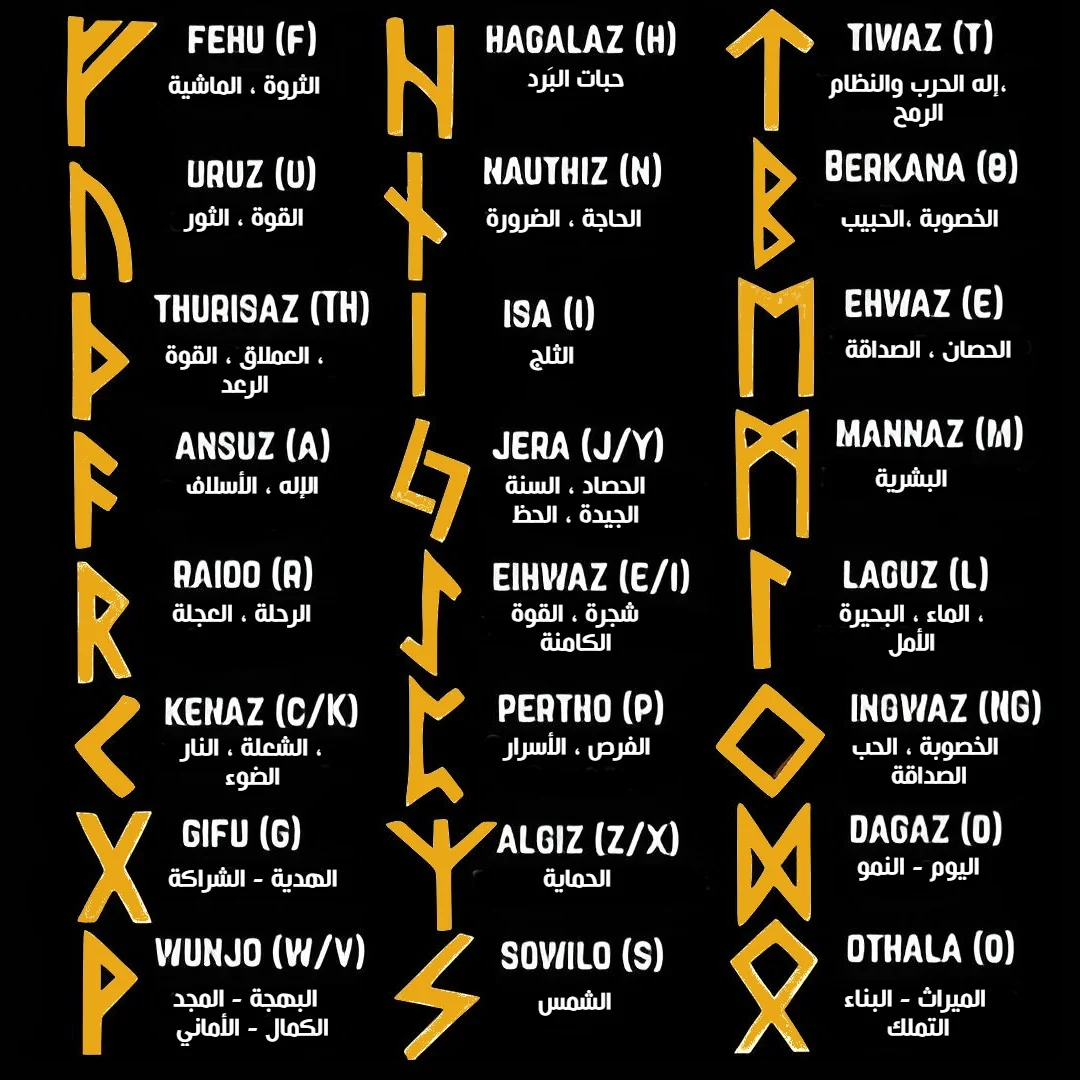
Runes were considered energetic symbols used by sorcerers and priests in various ways:
Inscribing Spells: Runes were carved onto weapons, shields, graves, or amulets to bring luck or protection.
Magical Rituals: Incorporating runes into ceremonies to summon the powers of nature or spirits.
Protecting Warriors: Some runes, like Algiz, were believed to shield fighters in battle, offering spiritual protection.
In magical rituals, several symbols are often combined into a single form to create a unified energy. The resulting symbol from this fusion is known as a Bindrune , The purpose of a Bindrune is to bring together multiple intentions in one symbol—for example, protection and attracting wealth at the same time. The process requires great care, as arranging the symbols incorrectly can have unintended consequences. For instance, merging Algiz (protection) with Fehu (wealth) creates a charm meant to attract money and keep it safe from theft or loss.
Traditional Magical Uses
Protection
Warriors would carve symbols like Algiz (ᛉ) onto their shields and swords to ward off evil spirits and give them strength in battle.
Healing and Recovery
Priests believed that certain runes could help cure illnesses, so they would inscribe them onto wooden pieces and place them near the sick.
Curses and Dark Magic
Some symbols, such as Thurisaz (ᚦ), were used in rituals for revenge or to bring about destruction.
Divination and Fortune-Telling
Before battles or journeys, runes were cast in a manner similar to throwing bones, to predict the future or the outcome of a trip.
Runes in Modern Divination
Today, runes are a popular tool for fortune-telling, much like tarot cards. This practice is based on the idea that the symbol drawn at random carries a message from the subconscious or from universal forces.
How to Read Runes
Rune Set
A typical rune set consists of 24 symbols carved onto stones or wood. Sometimes, a blank piece called the "unknown rune" is also included.
Asking the Question
The person focuses on a specific question about love, work, health, or a life-changing decision.
Drawing the symbols
One or more runes are selected, or several are cast onto a cloth.
Interpretation
Each rune has a positive meaning when upright, and a negative meaning when reversed.
Example
Fehu (ᚠ): Symbolizes wealth and success.
Hagalaz (ᚺ): Represents chaos and disaster.
Ansuz (ᚨ): Stands for wisdom and spiritual communication.
True Stories About Runes
There are many real-life stories involving the use of runic symbols, some documented in Scandinavian historical records and others more recent, especially with the rise of Neo-Paganism and rituals like European Voodoo and Wicca.
These stories range from traditional Viking-era uses to modern accounts shared in recent times:
1- Healing – Egil and the Runes
According to Egil's Saga (10th century), a warrior named Egil Skallagrimsson treated a girl suffering from a mysterious illness. He discovered a piece of wood with harmful magical symbols placed under her bed. After burning the wood and drawing protective runes, the girl recovered within days, reinforcing belief in the power of these symbols.
2- In War – Nazi Runes
Within the Nazi SS elite paramilitary forces, some soldiers carried amulets engraved with the Sowilo rune (ᛋ), which became the organization's emblem. They believed the symbol granted them protection and courage, and some officers used special rune combinations as war talismans.
3- In Love – The Story of an American Girl (1998)
An American woman named Jessica H. shared her experience in a book about Wicca:
She was caught up in a complicated love affair and turned to a book on runic magic for help. She created a love bindrune using Gebo (ᚷ), Wunjo (ᚹ), and Berkano (ᛒ), carving the symbols onto a small piece of wood. She kept it under her pillow and performed charging rituals for several weeks. Not long after, a new man entered her life and their relationship became unusually intense. Later, she discovered he was married, and the relationship brought her a great deal of pain. She came to see this as an 'imbalanced manifestation of the energy she had asked for.'
This story is often cited today as a warning against using runic magic for matters of the heart, as it can fulfill desires in toxic or harmful ways.4- Money – A Failed Ritual
In Sweden in 2020, a group of young people created a runic bindrune combining Fehu (wealth) and Thurisaz (strength). However, they accidentally drew Thurisaz upside down, which reversed its meaning to destruction. Within weeks, they began experiencing financial losses and a string of misfortunes, only to realize later that they had created a symbol that unraveled their lives instead of improving them.
How to Create a Bindrune Amulet
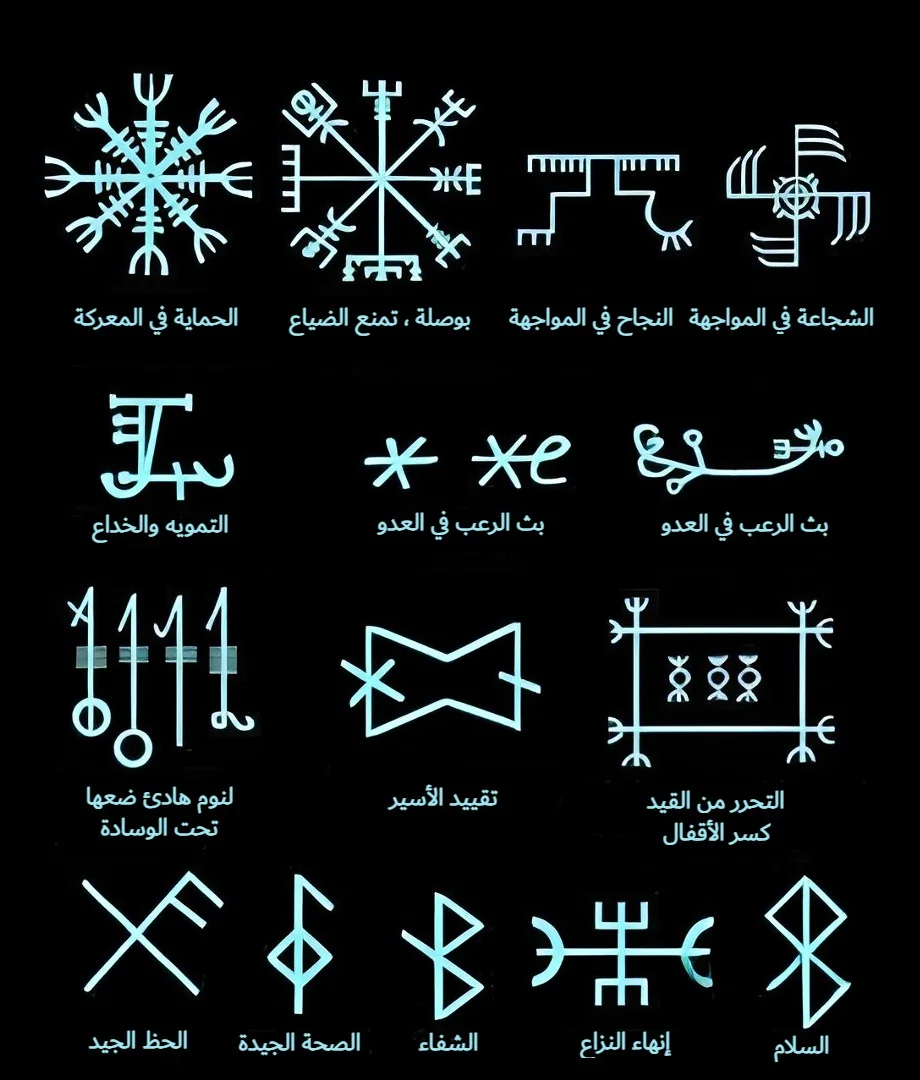
Below is a detailed explanation of the steps as practiced by ancient magicians. Please note: this information is provided for cultural understanding only.
1- Choosing and Defining the Intent
Before anything else, you must have a very clear and specific intention. Any ambiguity or hesitation can result in reversed or even disastrous energy.
Examples of intentions:
- Protection from spirits or black magic.
- Attracting love or the right partner.
- Success in a battle or project.
- Healing from illness or emotional pain.
- Revenge (the most dangerous use, as it unleashes destructive energy).
In Viking tradition, using runes for revenge was strongly discouraged, as it was believed that any harm would return to the sender threefold.
2- Selecting the Appropriate Runes
Once you've set your intention, choose only 2 to 5 runes—using too many can dilute your focus.
Each rune has a specific meaning:
Spiritual protection: Algiz (ᛉ), Eihwaz (ᛇ), Thurisaz (ᚦ)
Attracting wealth: Fehu (ᚠ), Jera (ᛃ), Sowilo (ᛋ)
Love and relationships: Gebo (ᚷ), Wunjo (ᚹ), Berkano (ᛒ)
Business success: Raidho (ᚱ), Sowilo (ᛋ), Ansuz (ᚨ)
Banishing and cleansing: Hagalaz (ᚺ), Isa (ᛁ), Thurisaz (ᚦ)
Practical example:
To create a protection runeband, select:
Algiz (ᛉ) for protection
Eihwaz (ᛇ) for resilience
Thurisaz (ᚦ) to ward off negative energies.
3- Choosing the Sacred Medium
Practitioners believed the material used would influence the rune's final energy.
- Elm or oak wood: for stability and protection.
- Stone or crystal: for strength and durability.
- Bone or animal horn: for war rituals.
- Leather or metal: for portable talismans.
In certain rituals, human bone was used, especially for spells involving revenge or death.
4- Ritual Cleansing and Spiritual Preparation
Before the ritual, the creator of the bindrune must be spiritually and physically purified:
- Fast for a day or two, or at least avoid heavy foods.
- Cleanse the space with incense, fire, or saltwater.
- Meditate on your intention for at least an hour before beginning the ritual.
5- Carving the Bindrune
- Each rune is drawn separately at first.
- The runes are then combined, merging their lines to create a single, unified symbol.
- Use a sharp tool (such as a ritual knife or needle) to carve the symbol by hand.
- As each line is drawn, say the name of the rune out loud (for example, say "Algiz" when drawing Algiz).
- This combination of drawing and vocalizing is believed to activate the 'power of the word,' much like a spoken incantation.
6- Activation
Simply drawing the symbol isn't enough; it must be charged with energy.
Traditional methods of activation include:
- Breath Ritual: The practitioner holds the symbol in front of their mouth and breathes on it seven times, each time visualizing their intention being transferred into the symbol.
- A drop of blood Prick your fingertip and place a drop of blood at the center of the runebind. In Viking tradition, blood is considered the most sacred energy, as it carries the 'spirit of life.'
- The natural element
If the goal is to protect a home, pass the symbol over fire or incense.
If the intention is love or growth, bury it beneath a tree.
For strength or war, it should touch running river water or be placed under the moonlight.
7- Charging Words: Galdr
In Scandinavian tradition, the ritual is followed by a chant called Galdr, which involves repeating a vocal sound associated with the runes.
For example, if the symbol includes 'Algiz,' you would repeat 'Al-Al-Al' in a deep voice, creating a vibrational energy.
Modern scholars interpret this as a way to induce a trance-like state, similar to mystical chants.
8- Closing the Ritual and Storage
After activating the runebind, wrap it in a clean cloth and store it in a safe place.
- If it's a keepsake for pregnancy, it can be worn as a necklace or ring.
- If it's for the home, place it at the entrance or bury it at the threshold.
If you wish to dispose of it, burn or bury it rather than throwing it away, as its energy may remain active.
Example: Creating a Runebind for Protection
If the goal is to protect the home from spirits or magic, use the following runes:
Algiz (ᛉ): Shield of protection.
Eihwaz (ᛇ): Endurance.
Thurisaz (ᚦ): Warding off harm.
Steps:
- Carve the symbol into a piece of oak wood.
- Charge it by breathing on it seven times while chanting the names of the runes.
- Place a drop of blood at the center of the symbol.
- Pass it over a candle flame to purify it.
- Place it at the entrance of your home or hang it as a protective charm.
Warnings
Using runes without a deep understanding can create chaos in your life instead of protection. Randomly combining opposing symbols may open a dangerous 'energy gateway.' In some modern practices, symbolic substitutes like ink or water are preferred over blood to minimize risks.
Runes in the Modern Era
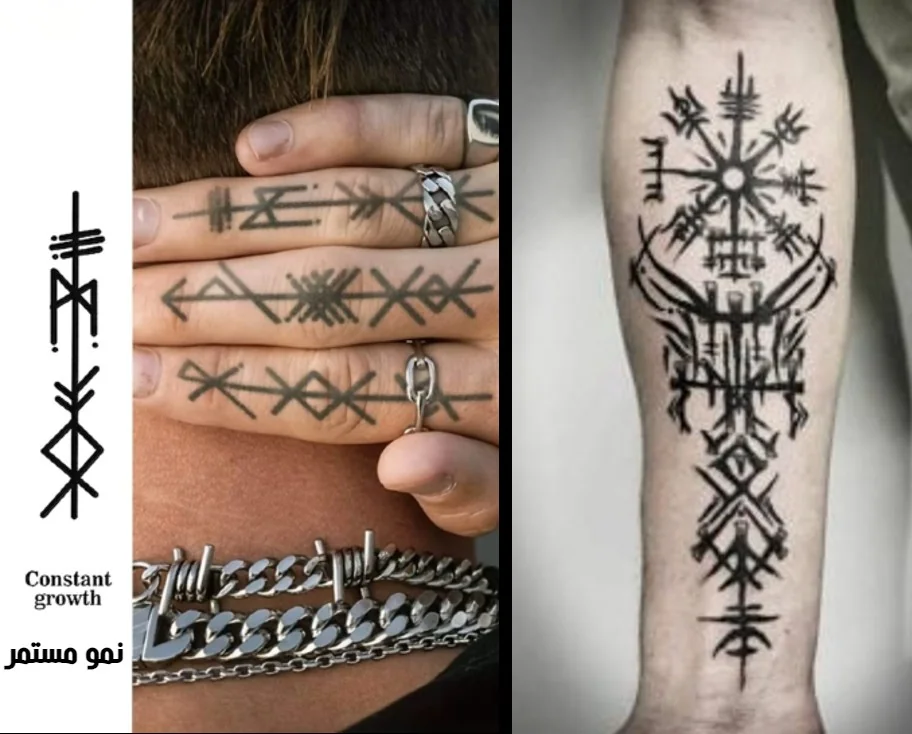
Runes are especially popular as tattoos around the world, particularly among fans of Viking culture and Norse mythology.
Each rune carries a spiritual or symbolic meaning, such as protection, strength, courage, or luck. For example, the Algiz (ᛉ) rune is chosen for protection tattoos, while Sowilo (ᛋ) represents light and victory.
This practice has its roots in ancient pagan rituals, where warriors would inscribe runes on their bodies, believing they granted supernatural strength or protection from evil spirits.
Note – Islamic Perspective
At its core, the bindrune is a pagan talisman, as it involves invoking unseen forces other than God and directing intention and symbolism toward them. In Islam, this is considered a form of forbidden magic and idolatry.
In conclusion, runic letters represent a rare blend of language, magic, and myth. They are a reminder of humanity's ancient attempts to understand and connect with the forces of the universe through mysterious symbols. Whether seen as cultural artifacts or genuine spiritual tools, their allure remains alive, linking our present to a past shrouded in forests, fire, and the whispered voices of old gods. While runes may no longer hold the power the Vikings believed in, their symbolic strength continues to inspire those drawn to the unknown.
About the Author