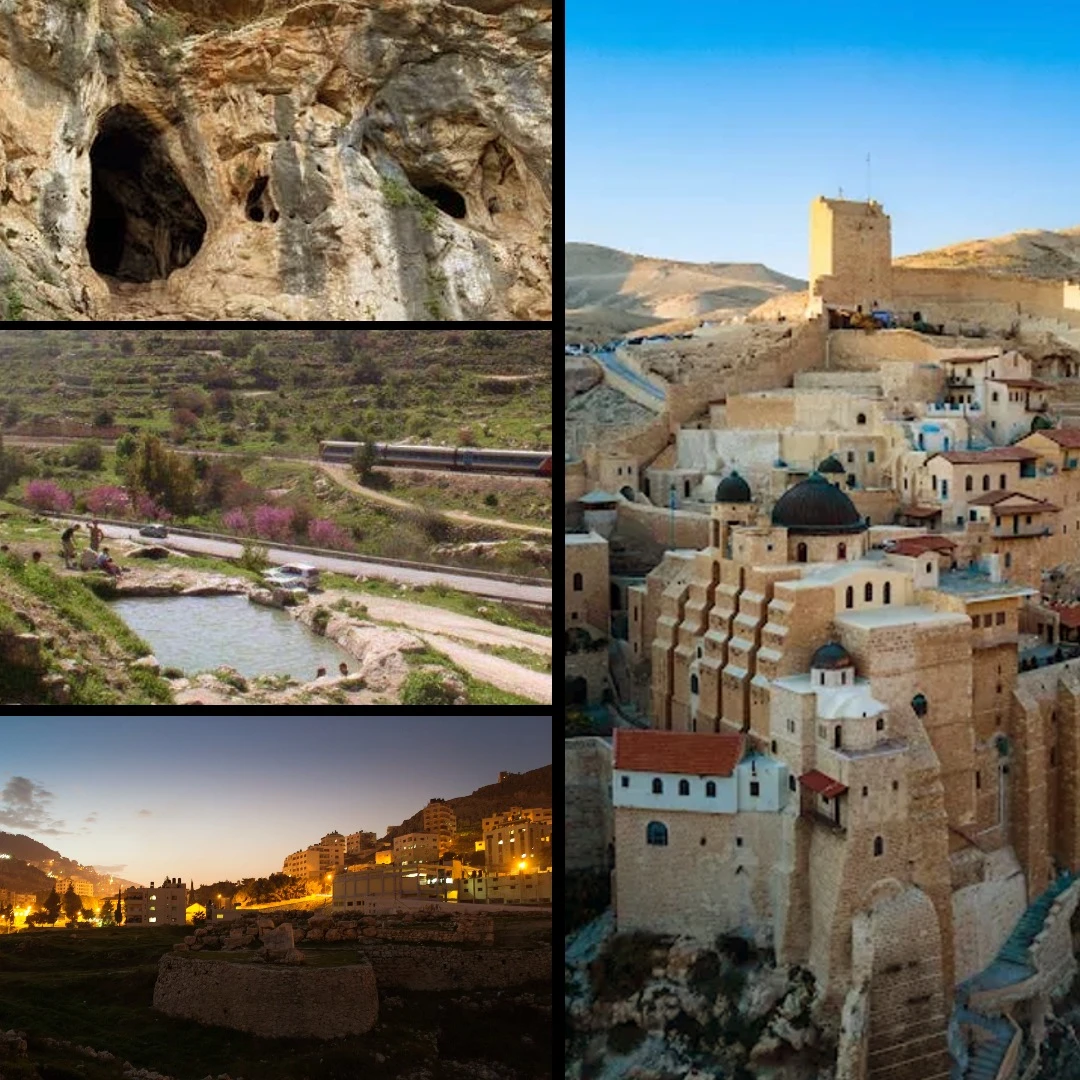
Palestine has long been a crossroads of civilizations, religions, and empires. Each era left behind temples, castles, monasteries, caves, and cities, some now buried beneath sand or hidden among mountains. Over time, these places have become more than silent ruins; they've inspired mysterious stories passed down through generations. Some are said to be haunted by jinn, while others are linked to unexplained sounds, strange lights, or sightings that defy explanation.
While there’s no scientific evidence proving these sites are truly haunted, they remain an important part of Palestinian folklore, reflecting how earlier communities made sense of abandoned places and unusual phenomena.
The Land of the Jinn in Folklore
Before exploring the most famous sites, it’s worth noting that belief in jinn in Palestine extended far beyond deserted houses. Springs, valleys, caves, and ancient trees were all thought to be inhabited by these supernatural beings.
Palestinian physician and researcher Tawfiq Canaan (1882–1964) documented dozens of such locations in his anthropological studies. Locals would avoid these places at night, believing they were home to jinn or spirits. Many would ask permission before pouring hot water on the ground, or recite prayers when passing a spring or cave, out of fear of disturbing unseen inhabitants.
These beliefs weren’t unique to Palestine, they were common throughout the Levant. However, Palestine managed to preserve many of these traditions well into the twentieth century.
Mar Saba Monastery
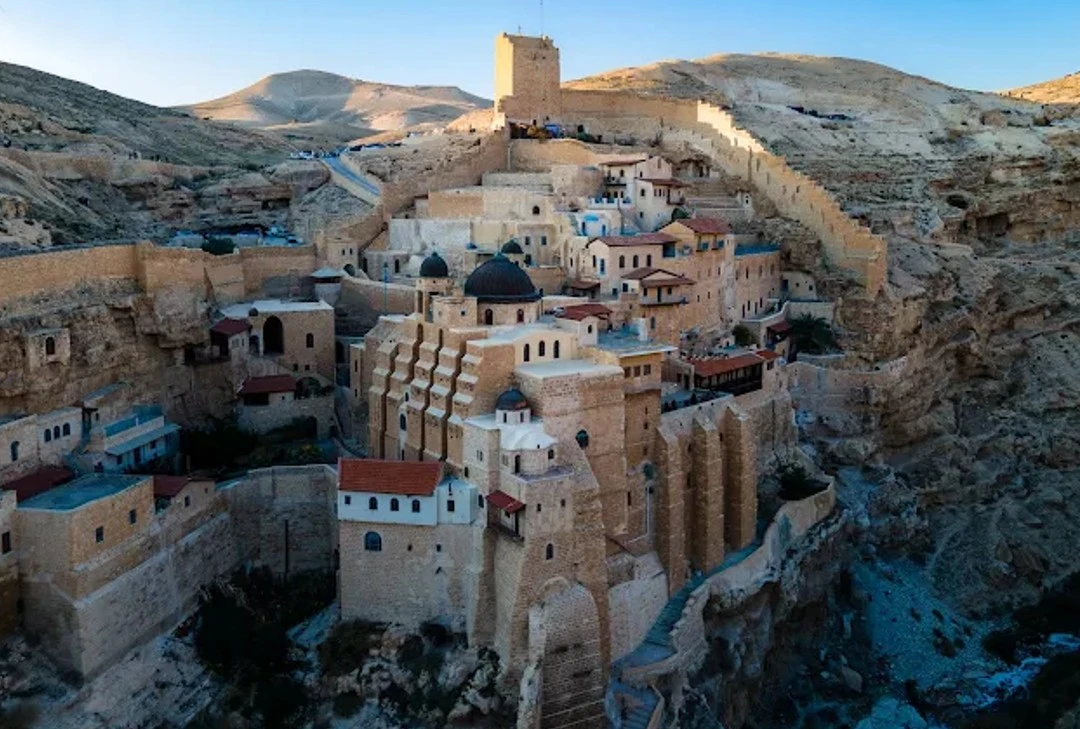
Perched on a steep cliff in the Kidron Valley between Jerusalem and Bethlehem, Mar Saba Monastery is one of the world’s oldest inhabited monasteries, dating back to the fifth century. Its remote desert location and the many surrounding caves have made it fertile ground for legends. Over the years, visitors and shepherds have reported hearing chants when no one was present, or seeing mysterious lights moving among the rocks at night. Some Bedouins say the caves around the monastery have long been home to jinn. While these stories haven’t been scientifically verified, they remain vivid in local memory.
Wadi Qelt
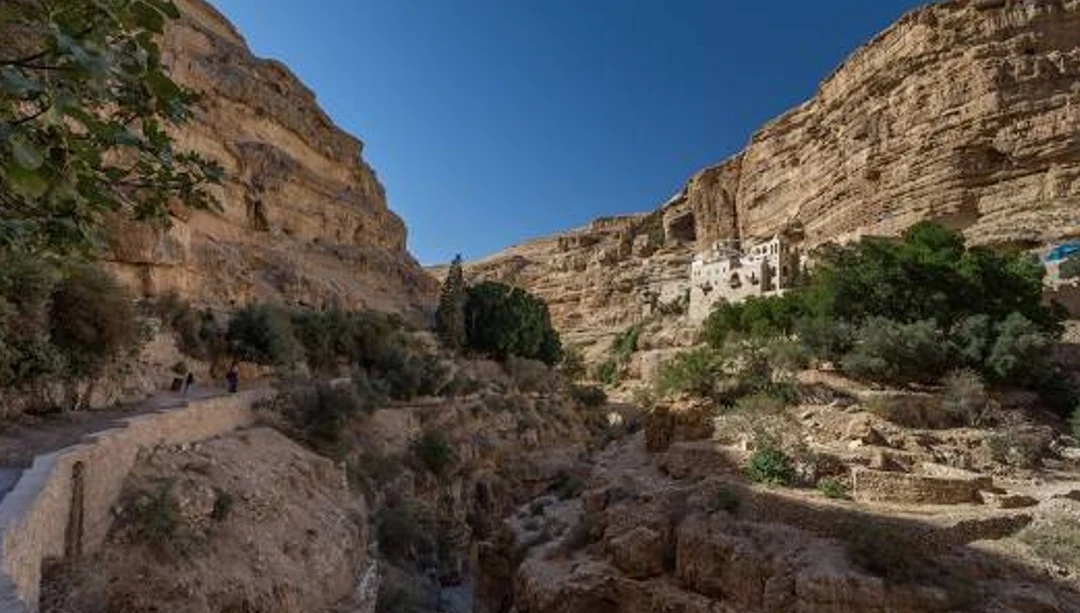
Wadi Qelt is one of Palestine’s most famous valleys, stretching between Jerusalem and Jericho through rugged terrain and deep cliffs. In the past, travelers avoided it after sunset—not just because of bandits, but also due to the belief that jinn inhabited its many caves. Folktales tell of screams or crying heard at night, people losing their way despite knowing the area well, and sightings of black shadows moving across the rocks before vanishing. Folklorists believe the valley’s isolation and the powerful echoes from its cliffs helped give rise to many of these stories.
Sebastia
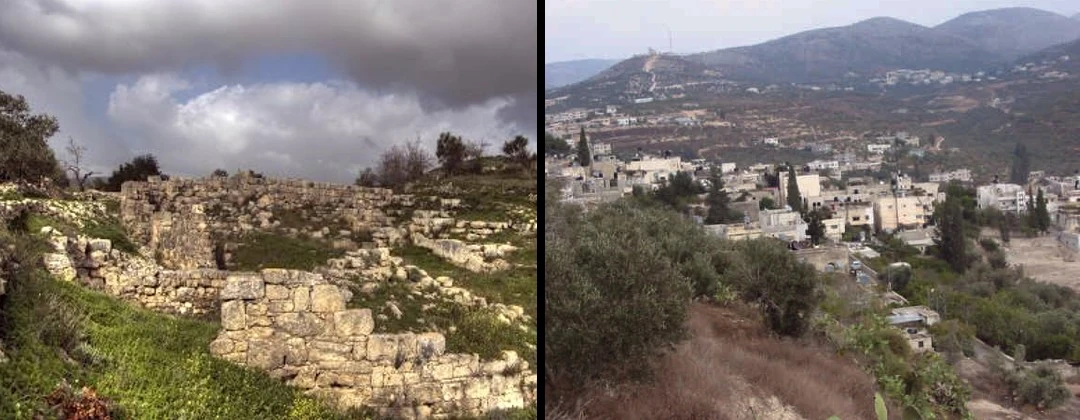
Located northwest of Nablus, Sebastia is an ancient city built atop layers of Canaanite, Greek, Roman, and Byzantine civilizations. Locals say the site takes on an eerie atmosphere after dark, with stories of footsteps echoing among the old columns or figures in historical dress disappearing among the ruins. While there’s no evidence to confirm these tales, they’ve become part of the lore shared by visitors and guards alike.
Tell Balata
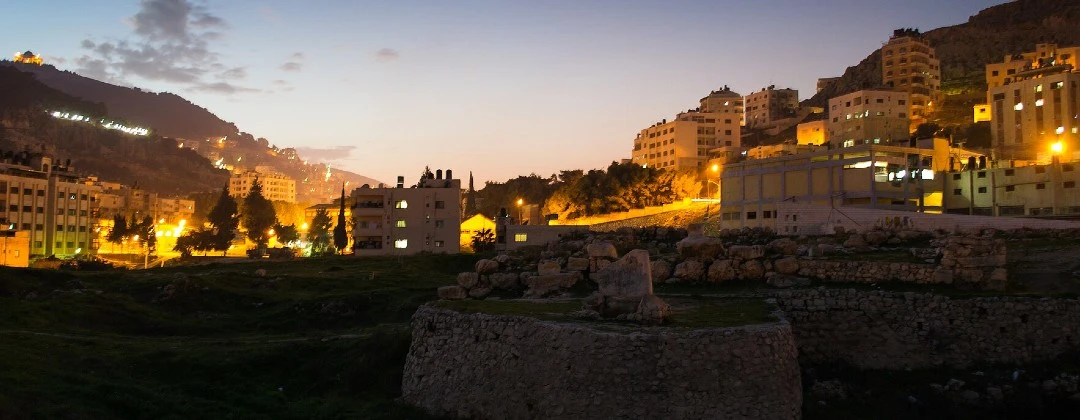
Tell Balata is the archaeological site of the ancient Canaanite city of Shechem, one of the oldest cities in Palestine. According to some of those who work at the site, the atmosphere changes completely at night. Stories have circulated about mysterious sounds coming from the ruined walls and unexplained shadows moving along the edges of the site. As with many ancient ruins around the world, the combination of silence, darkness, and crumbling structures has inspired a wealth of supernatural tales.
The Haunted Springs
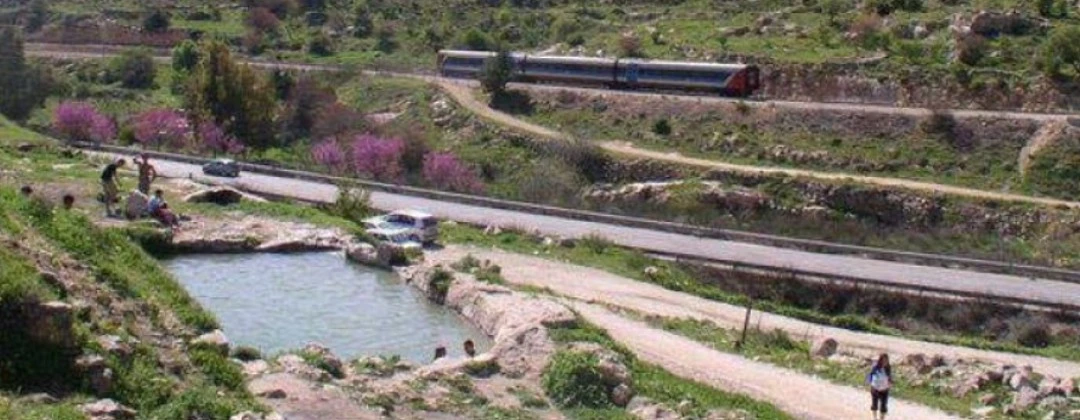
This phenomenon is perhaps the most widespread in Palestinian folklore. Tawfiq Canaan documented over a hundred springs and wells associated with beliefs about jinn. People believed these springs were inhabited by invisible beings, so they avoided throwing stones into them or polluting their waters, and many would not approach them after dark. Among the most famous is Ein Haniya near Jerusalem, along with numerous springs around Ramallah, Beit Jala, and Hebron. Some researchers suggest these beliefs may have played a social role in protecting water sources, with the fear of jinn serving as an indirect way to preserve the springs.
The Forgotten Caves of the Jerusalem Desert
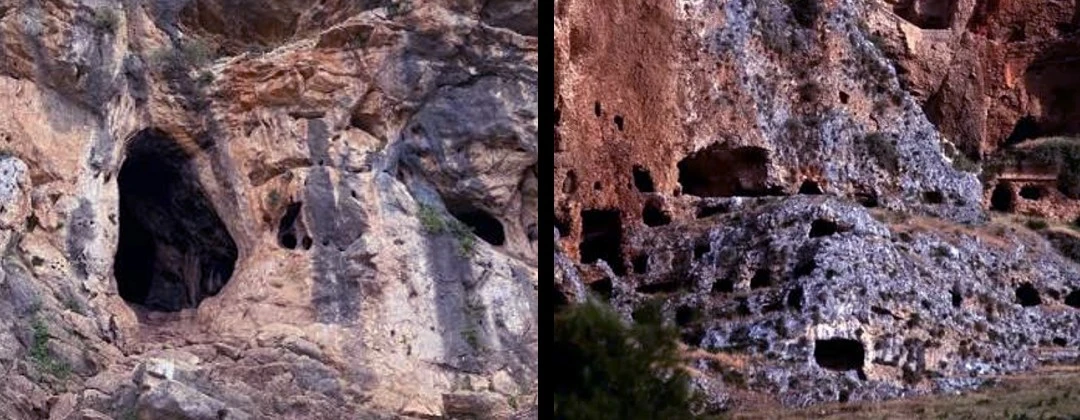
Dozens of caves dot the eastern desert, once home to monks and hermits over the centuries before being abandoned. Their isolation has given rise to stories of mysterious fires appearing on the hills, strange sounds echoing from deep within, and people sensing an eerie presence while spending the night inside. While natural explanations such as wind, light reflections, or echoes may account for many of these phenomena, local legends remain far more captivating than any scientific theory.
The Abandoned House in Al-Haditha Village
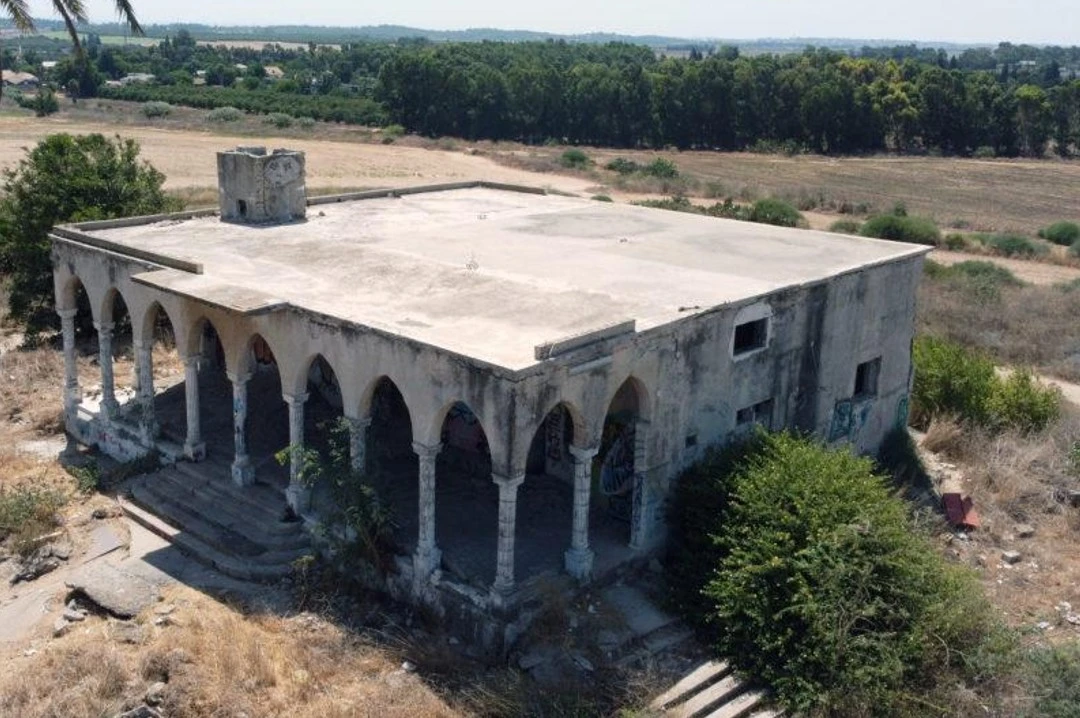
This house is the last remaining Palestinian home in the village of Al-Haditha, near Ramla, which was depopulated in 1948. While historical accounts describe it as a witness to the Nakba, locals and visitors have woven numerous stories around it over the years. It is sometimes described as a 'haunted house' in the middle of the forest, evoking fear in anyone who approaches. Folklore paints it as a desolate place at night, with tales of strange sounds and mysterious presences. However, these remain part of local legend, with no independent documentation to confirm them.
The Trees No One Dares to Cut
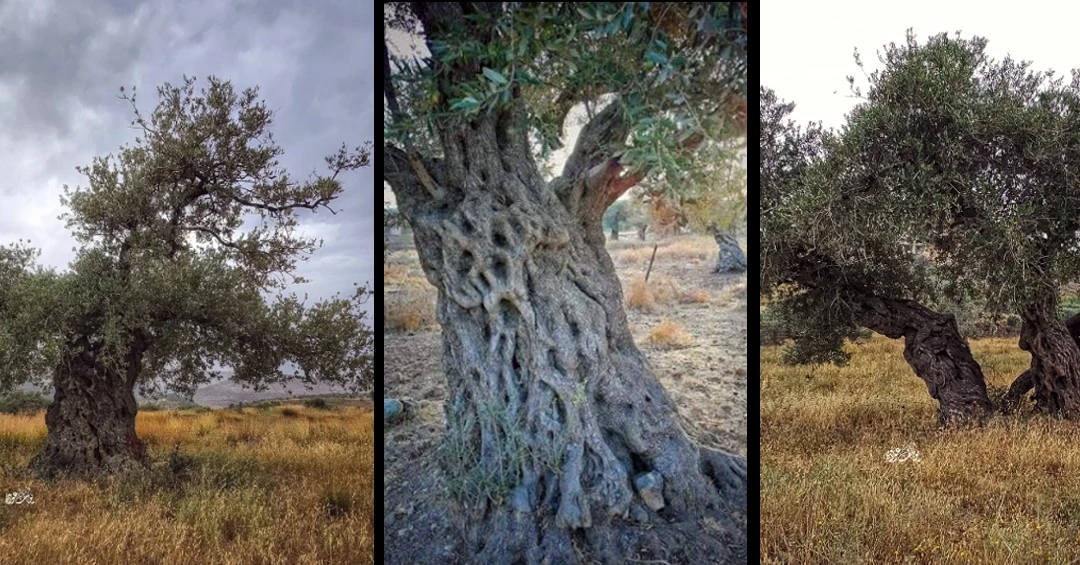
In several Palestinian villages, ancient trees are associated with the blessings of saints or believed to be inhabited by jinn. People avoid cutting their branches or sleeping beneath them at night, fearing illness, bad luck, or recurring nightmares if they cause harm. Folklorists have documented these beliefs in various regions, seeing them as a continuation of older traditions that venerate certain elements of nature.
Why Are These Stories So Common Around Ruins?
Nearly all of these sites share three main characteristics: great age, isolation, and a long history marked by war, migration, or religious life. Psychologists note that people tend to interpret strange sounds, shadows, and unusual movements in such environments as signs of hidden beings. Anthropologists see these stories as serving a cultural function, giving places a unique identity and keeping them alive in collective memory. Meanwhile, those who believe in the supernatural argue that some locations may indeed harbor phenomena beyond scientific explanation, and that the absence of evidence does not necessarily mean something does not exist.
Today, it is difficult to verify most stories about haunted places in Palestine, as they exist somewhere between history, legend, and personal experience. What is certain, however, is that these tales are an integral part of Palestinian folklore, reflecting ancient attitudes toward abandoned places, where deep silence, darkness, caves, and springs were enough to spark the imagination and link them to the world of spirits and the supernatural.
About the Author