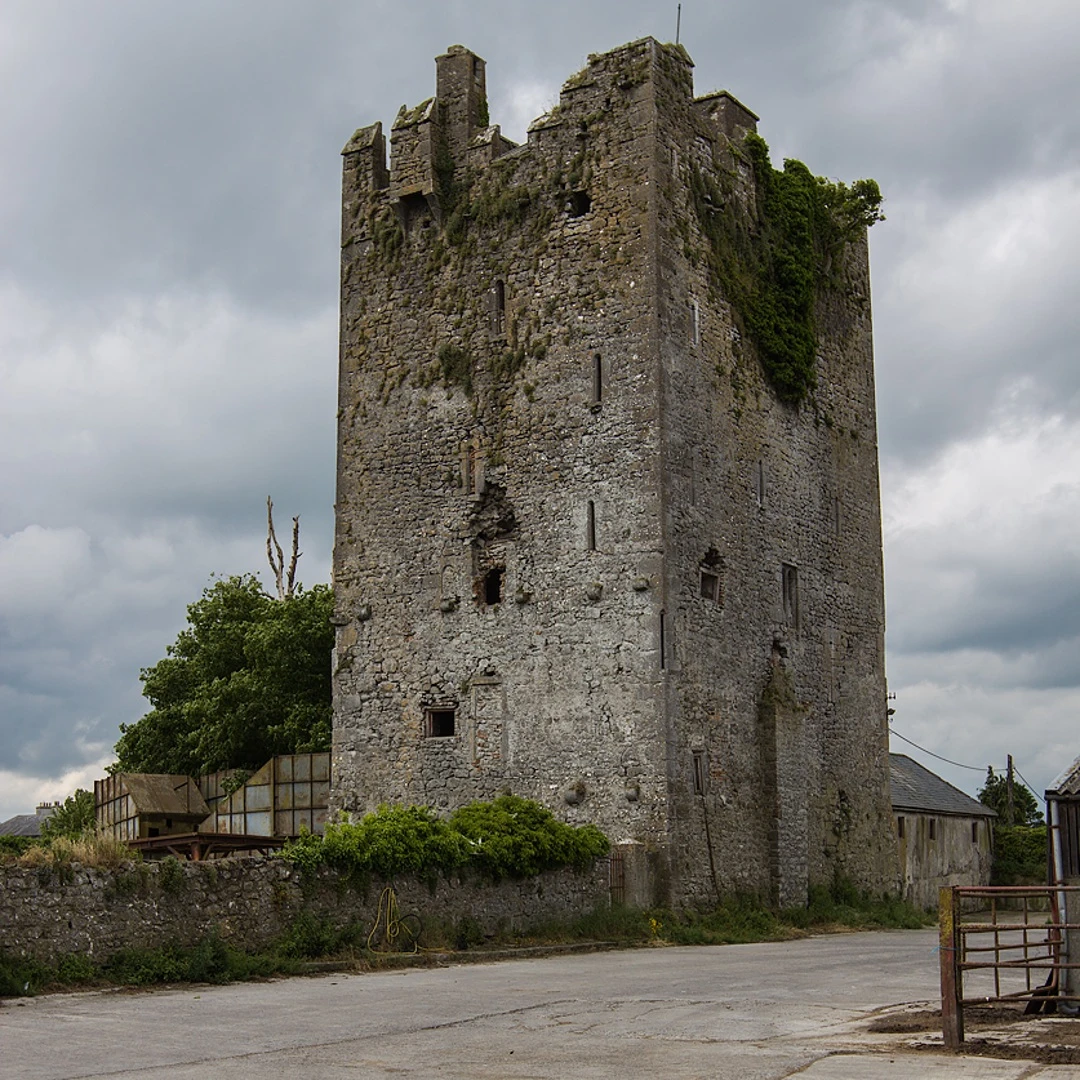
On the banks of the River Nore in County Kilkenny, Ireland, Ballyragget Castle stands as a silent stone sentinel, bearing witness to over five centuries of conflict, rival families, and political change. Unlike many castles, it isn’t surrounded by tales of white ghosts or midnight screams. Yet, its relative lack of hauntings hasn’t stripped it of mystery. At the top of its tower sits a stone seat, long believed to grant wishes to those who sit upon it and make a heartfelt request.
Behind the legend of the "Wishing Chair" is the story of a woman who, over time, transformed from a powerful noble into a folkloric figure surrounded by tales of strength and ruthlessness. There are also rumors of a hidden treasure and a secret passageway leading from the castle down to the river. Rather than frightening visitors with a single ghost story, Ballyragget Castle offers a sense that legend and history are still entwined within its walls.
A Fortress Guarding the Road to Kilkenny
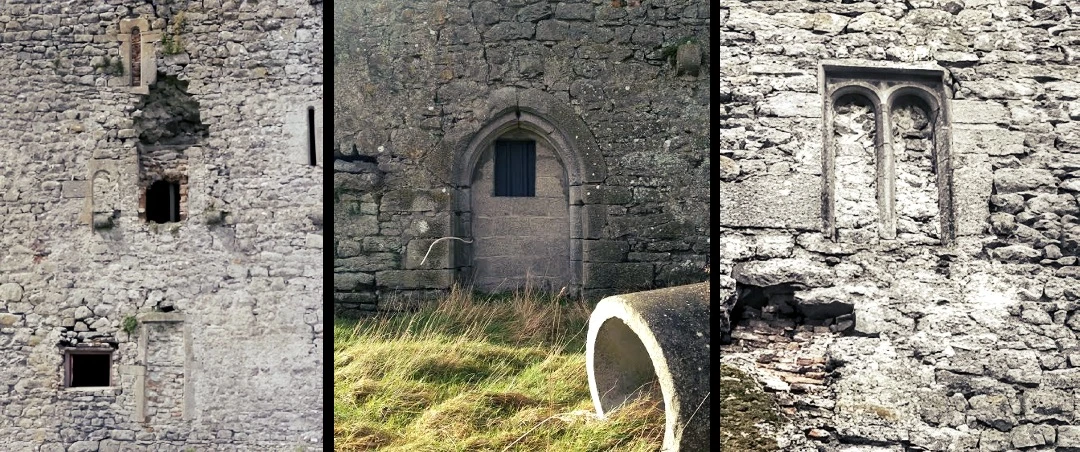
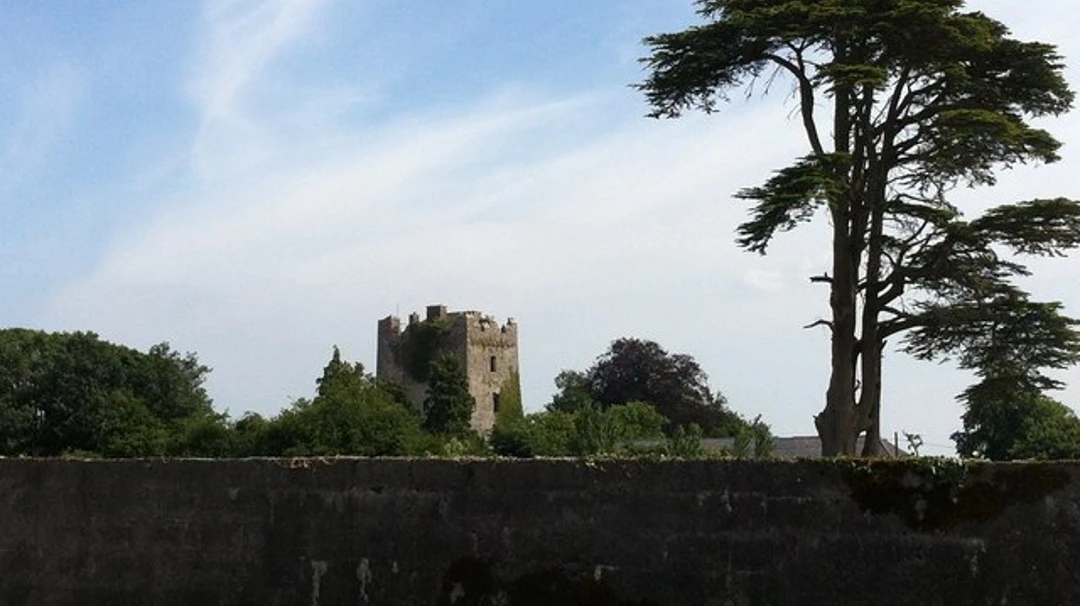
Ballyragget Castle, as it stands today, was built in the late 15th century. It’s a classic example of the tower houses that dotted the Irish landscape during the late Middle Ages.
The castle features a rectangular five-story tower, surrounded by a fortified courtyard (bawn), defensive walls, and corner towers. Its location was no accident و positioned north of Kilkenny city, it controlled key approach routes and, as a result, played a significant military and political role in the 16th and 17th centuries.
Local tradition credits its construction to Margaret FitzGerald, daughter of Gerald FitzGerald, the 8th Earl of Kildare. She married Piers Rua Butler, who became the 8th Earl of Ormond.
However, attributing the castle’s construction solely to Margaret isn’t historically certain. More accurately, the castle was built in the late 15th century during the rise of the Butler family, though local memory has so closely linked it to Margaret that her name has become part of its legend.
Later, Ballyragget became the main seat of the Mountgarret branch of the Butler family, one of the most influential Anglo-Norman dynasties in Ireland. The castle remained in their hands for over two centuries.
Margaret: The Woman Swallowed by Folklore
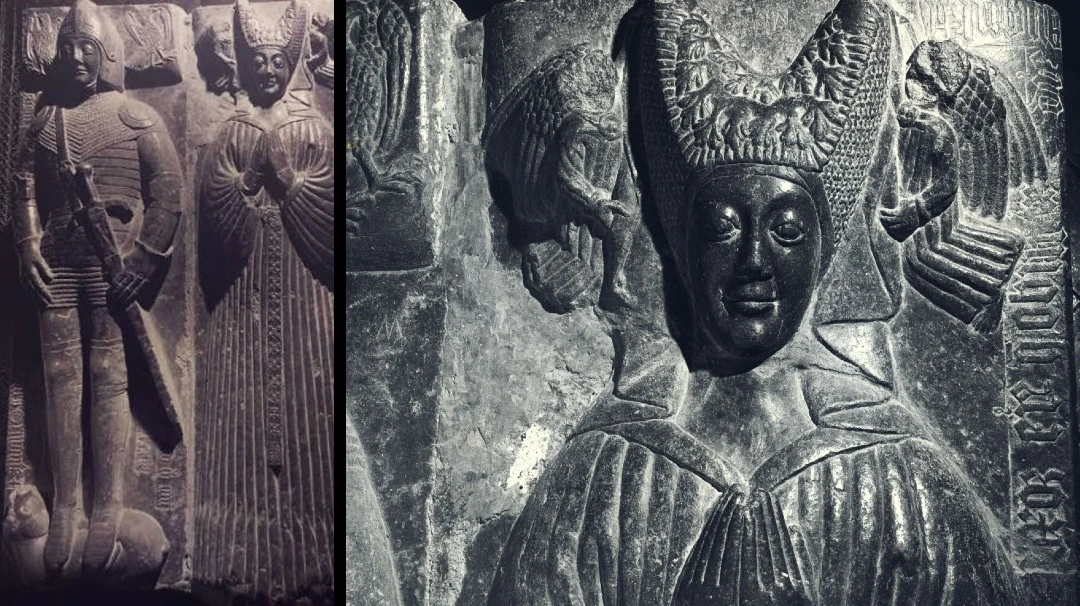
When it comes to Margaret FitzGerald, it’s hard to separate the historical figure from the character shaped by legend.
Irish sources and tradition portray her as a woman of remarkable influence in a male-dominated world, credited with exceptional management skills and political clout. Folklore goes even further, depicting her as a warrior lady leading armed followers into conflicts with neighboring families and returning victorious.
Over generations, these stories grew darker, attributing acts of vengeance, cruelty, and executions to her. Some tales even link her power to witchcraft. Much of this, however, is clearly rooted in folklore about powerful women rather than documented history. Yet one thing remains closely tied to her name: a small stone seat at the top of the castle.
Margaret’s Wishing Chair
Atop the tower, near a small watch turret in the northeast corner, sits a stone seat once known as "Mairéad's Chair"—later gaining fame as "The Wishing Chair." According to local legend, anyone who sits there and makes a sincere wish will see it come true.
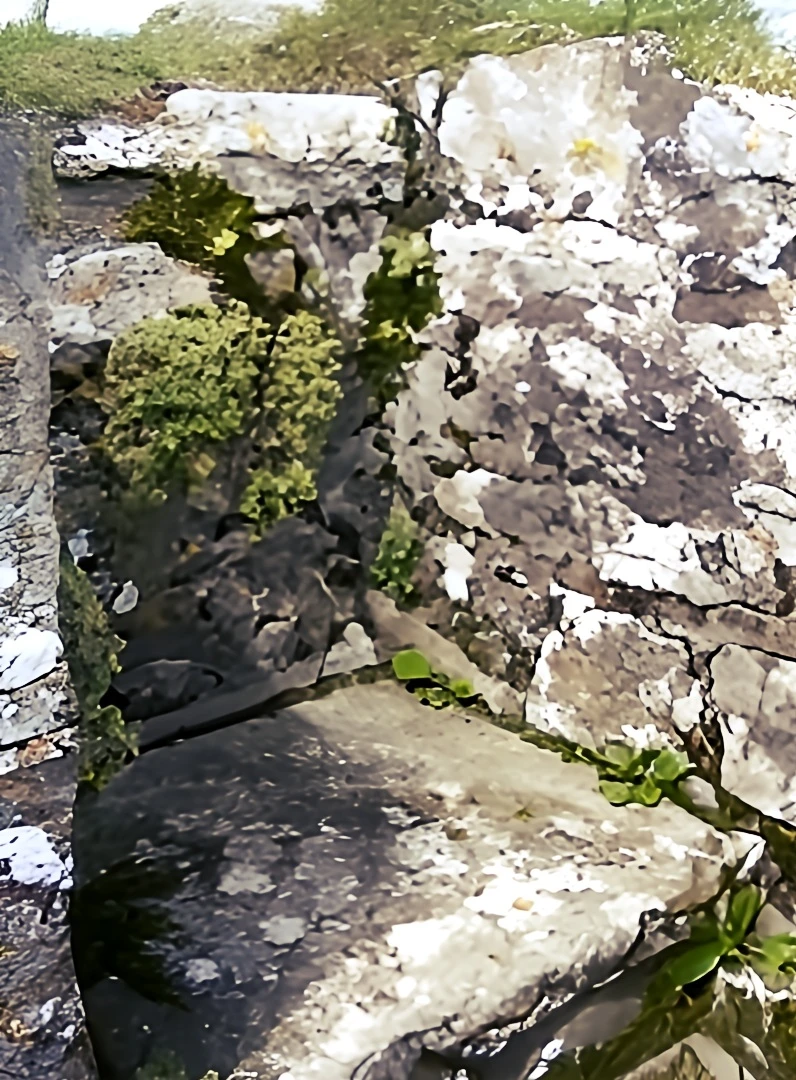
Interestingly, this isn’t a modern tourist invention. The belief is documented in local folklore and was even recorded in a school project collecting oral traditions, which mentions a "large stone chair" in the castle said to grant wishes. The River Nore Heritage Survey also includes a photo of the seat.
Another story claims Margaret would sit there to survey her lands. In darker versions, the peaceful vantage point becomes a place from which she punished those who crossed her. However, local sources note these details are passed down orally and aren’t found in historical records.
The seat has thus become something between an architectural relic and a folk talisman: an old stone that, while not magical in itself, has carried the hopes and wishes of generations.
The Treasure No One Ever Found
Another contender for the title of Ballyragget’s greatest mystery is the lost Butler family treasure. According to one story, the family hid their fortune somewhere in or around the castle when it seemed certain their enemies would soon capture it. After Cromwell’s forces took over, one of the officers tried to uncover the treasure’s location.
Local legend ties the story to Colonel Daniel Axtell, one of Cromwell’s men, claiming that a member of the Butler family was tortured and killed for refusing to reveal where the fortune was buried. But if this treasure ever existed, its whereabouts remain unknown.
The result was the perfect recipe for a legend: an ancient castle, a wealthy family, war and confiscation, and a man who died without ever revealing the location of the gold.
With each generation that fails to find anything, the treasure only grows larger in the imagination.
An underground passage to the river
There’s a third secret, according to local tales, said to lie beneath the castle rather than inside it. Stories passed down through generations speak of a tunnel stretching from Ballyragget toward the River Nore—perhaps once used as an escape route during a siege or as a hidden way to fetch water out of sight of attackers.
This story also appears in old school folklore collections, which mention that the castle has 'a tunnel running from it to the river.'
So far, no published archaeological evidence has confirmed the existence of a long tunnel like the one described in the legend. This is a common theme with castles in Ireland and Britain: real cellars, storerooms, and short passages gradually become, in popular lore, tunnels stretching hundreds of meters to a church, river, or another castle.
That’s why the 'Ballyragget passage' remains in folklore’s favorite gray area: there’s no proof to confirm it, but no discovery has ever put the story to rest.
A castle with a bloody past
There’s no need to invent a ghost to give Ballyragget a dark history. Its strategic location drew it into Ireland’s conflicts time and again. In 1600, a garrison led by Sir George Carew was stationed there to confront members of the Mountgarret family, who were rebelling against the English crown. The castle changed hands between rival powers and, like many Irish noble estates, saw ownership shifts and confiscations during the upheavals of the seventeenth century.
The castle remained part of this turbulent landscape for centuries. In 1775, a confrontation linked to the secret agrarian group known as the Whiteboys took place nearby—one of several movements that arose to defend the interests of tenants and farmers in rural Ireland. The current silence surrounding the building hides a history that was anything but peaceful.
Where are Ballyragget’s ghosts?
It might seem odd that a castle over five centuries old, marked by war, torture, and family conflict, doesn’t have a famous ghost peering from one of its windows.
But that’s exactly what sets Ballyragget apart. There’s no well-established tale of a 'White Lady' roaming the stairs, no headless knight returning at midnight, no recurring voice in a particular room. Trying to add such stories just because the place is old would only detract from the castle’s genuine mystery. Here, the sense of awe is quieter: narrow stone staircases, corridors that have stood for centuries, lookout slits once guarded by armed men, and rooms where generations have come and gone, leaving little behind but names. At the top, a stone chair still waits—people once believed it could hear their wishes. If there’s a 'presence' in Ballyragget, it’s the presence of memory rather than ghosts.
When legend becomes part of the stone
Ballyragget Castle is privately owned and not a typical tourist site, which has kept it somewhat out of the spotlight compared to other Irish castles. Still, Margaret’s chair, the lost treasure, and the passage to the river remain vivid in local memory. Perhaps the real appeal of the place is that it never offers a final answer.
Did Margaret really sit on that stone, watching over her lands? Most likely, the spot was used for keeping watch; the personal details are the work of folklore. Has the chair ever granted a single wish over the centuries? There’s no way to know.
Is the Butler family’s treasure hidden behind a wall that’s never been opened, or beneath ground that’s never been dug? There’s no evidence for it.
Does a secret tunnel really reach the River Nore? No one has ever found it.
Legends don’t always need to be proven true to endure.
More than five centuries later, Ballyragget Castle still stands silently on the land of Kilkenny, its upper floor home to a simple stone seat with a name far grander than its appearance: the Wishing Chair.
Perhaps that alone was enough to transform the castle from an old military fortress into a place where stories refuse to fade away.
About the Author