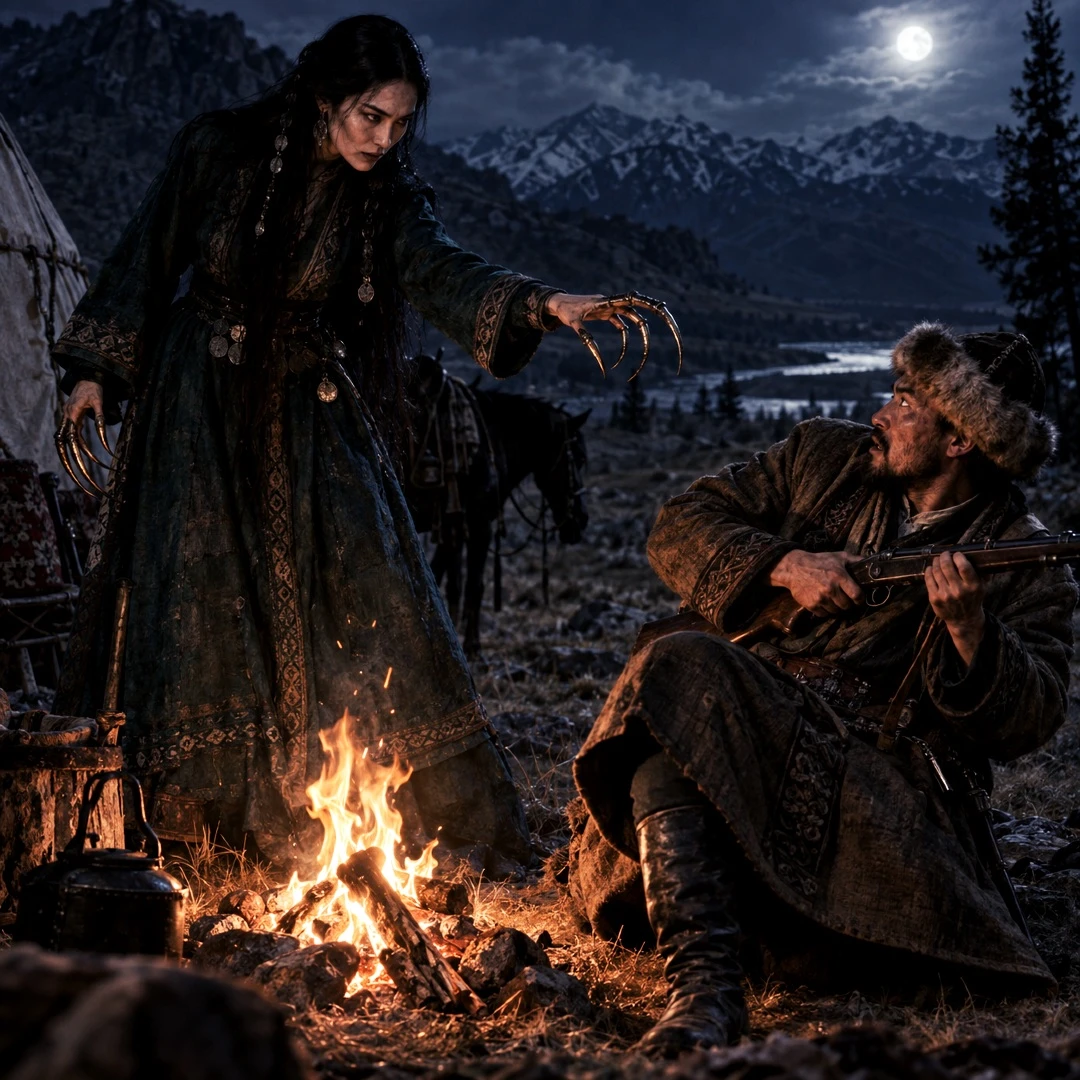
A hunter sat by a small campfire in the wilderness, preparing his meal after a long day. Out of the darkness, a woman appeared and approached him. He invited her to share his food. She showed no hostility, but one repeated gesture made him uneasy: she kept covering her nose with her sleeve, as if hiding something she didn't want him to see.
After she left, the hunter stayed alert instead of sleeping. He placed a log by the fire, covered it with his clothes, then climbed a tree with his rifle and waited. The woman returned at night, pounced on the log thinking it was his sleeping body and sank her claws into it. He fired at her.
This is how one Kazakh folktale describes an encounter with Jeztyrnaq, a woman whose concealed face hides a deadly secret: metal claws and a strength that turns a peaceful meal into a deadly attack. It's a folk story, not a documented event, but it offers a glimpse into one of Central Asia's most fearsome legendary creatures.
A Name That Reveals Her Weapon
In Kazakh, Jeztyrnaq is written as Жезтырнақ and appears in English as Jeztyrnaq or Zheztyrnak. Her name is usually translated as "Copper Claw," though some sources refer to her as having "claws made of brass."
Jeztyrnaq is rooted in Kazakh folklore, but similar figures appear in neighboring cultures. In Kyrgyz tales, names like "Jez Termak" and "Jez Tomchok" are used, with the latter emphasizing a metallic nose or beak. The danger isn't always in her fingers, sometimes her face itself marks her as something otherworldly.
Not Always a Beautiful Woman
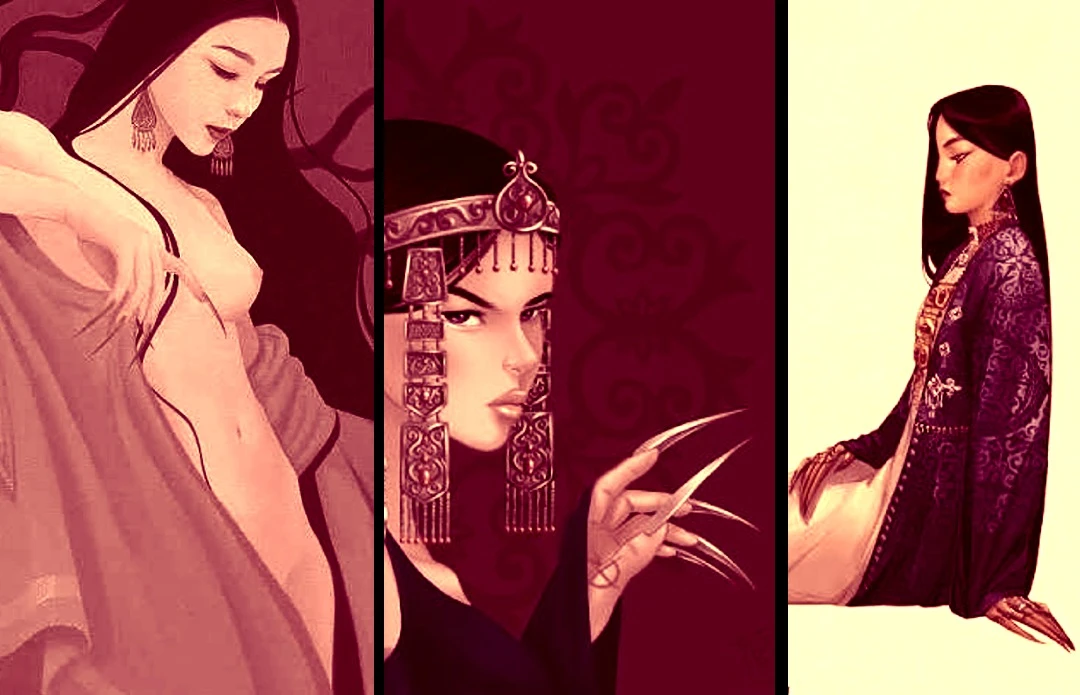
In many stories, Jeztyrnaq appears as a beautiful young woman, but her appearance can change. She might be tall and frightening, or dressed in clothes adorned with jewelry and coins that jingle as she walks. In some versions, her palms are like iron, and her fingers end in sharp, spear-like points.
The warning sign for the hunter varies: in some tales, she hides her nose; in others, her hands. But the recurring theme is a seemingly human figure whose true nature is revealed by a single, telling feature.
Jeztyrnaq isn't always a solitary figure. Some hunting stories describe entire families of her kind, living together with homes and children. The threat, then, is not just from a lone wanderer, but from an unknown community living alongside humans , one whose hostility could extend to their offspring.
Why Does She Come to the Hunter’s Fire?
A striking feature of these stories is how the encounter begins with an ordinary meeting: the creature comes for food, sits near the human, and leaves only to return later with violent intent. This structure reflects a fear of trusting strangers, and of the moment when comfort turns into vulnerability.
Some researchers suggest an older meaning. The Kazakh literary portal quotes Seit Qasqabasov, who proposes that Jeztyrnaq may have originally been a spirit that ruled over the forest or wilderness, later becoming a harmful force in the tales. Another interpretation sees the hunter sharing his food as a remnant of his relationship with the guardian of the animals he hunts. These are theories about the legend’s origins, not settled history.
From Guardian of the Wild to Keeper of Treasure
Zira Naurzbai’s research links Jeztyrnaq to the archetype of the 'Lady of the Animals,' drawing comparisons to Artemis in Greek mythology. Naurzbai also explores the idea that her metal claws connect her to the guardianship of mineral wealth and the craft of mining.
In one story Naurzbai discusses, the confrontation leads to a cave filled with treasure but returning to that place is never guaranteed. Here, Jeztyrnaq is more than just a monster to be slain; she becomes a guardian of something humans cannot obtain by force alone.
However, similarities between myths don’t prove they share a single origin, nor that Jeztyrnaq was ever worshipped as a goddess. These are hypotheses that attempt to explain the symbols that remain in the stories.
The Deadly Voice
In addition to her claws, legends attribute a devastating voice to Jeztyrnaq: her scream terrifies animals and causes birds to drop dead. A 2025 study in the Turkic Studies Journal examined this trait as part of an analysis of frightening female figures in Turkish folklore.
Researchers suggest that the combination of allure and threat in her appearance represents deceptive beauty, while her claws reveal her animalistic, inhuman side. They interpret the hero’s confrontation with her as a rite of passage overcoming fear and regaining control over his world.
This is a literary interpretation, not a report on the abilities of a real creature, but it illustrates how the character’s elements work together: her face invites approach, her voice spreads terror, and her claws deliver the attack.
When the Legend Chased Cars
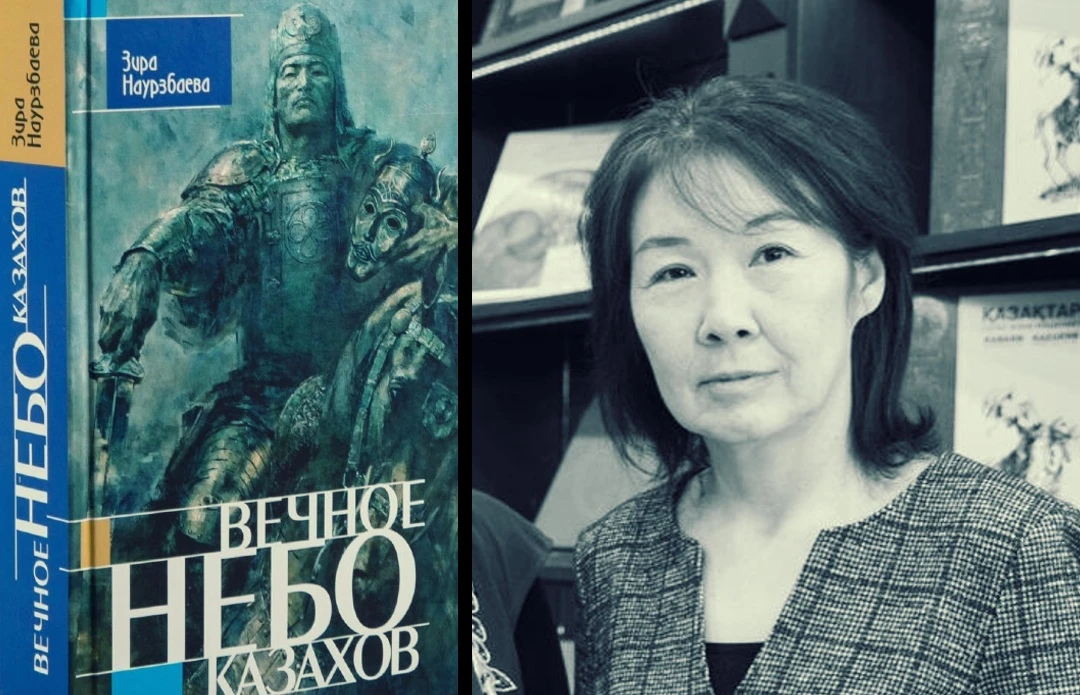
Naurzbai recalls stories from the Soviet era about people avoiding the Kosmorin mine area at night, and about Jeztyrnaq chasing cars. Some drivers even blamed mysterious scratches on their trucks on her claws.
However, these published accounts don’t provide names of witnesses, exact dates, or verified photos. They document the ongoing circulation of the legend, but don’t prove the alleged attacks.
This information doesn’t clarify what really happened. Scratches alone don’t reveal their cause, and retelling the story on multiple websites doesn’t make them independent testimonies. Still, the shift from hunter’s campfire tales to roadside encounters shows how the legend adapts: travel methods have changed, but the fear of meeting something unknown outside civilization remains.
Beauty Concealing a Weapon: From Jeztyrnaq to Umm al-Duways
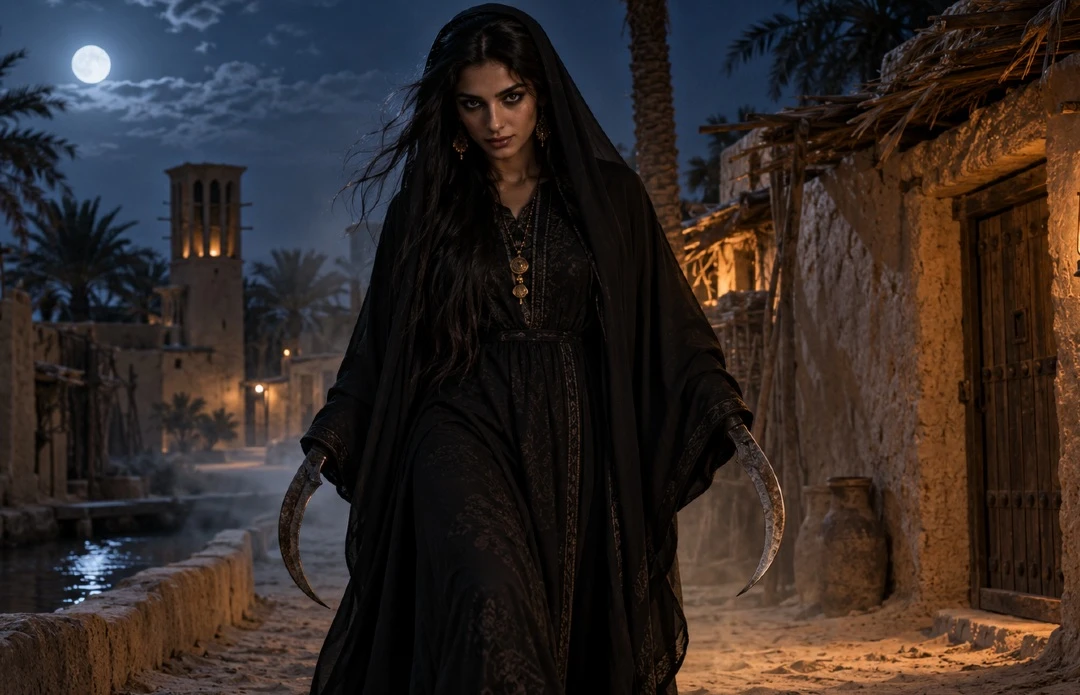
Jeztyrnaq brings to mind other female entities from different cultures, most notably Um-Duwais in Gulf folklore, especially in the UAE. She appears as a stunning woman with a scent of perfume, but in some versions, her hands are sharp sickles mirroring Jeztyrnaq’s copper claws, though not the golden ones described in the most famous accounts.
Despite these similarities, their roles in stories differ: Umm al-Duways lures men with her beauty before killing them, embodying deadly seduction, while Jeztyrnaq confronts hunters in the wild. Some interpretations even link Jeztyrnaq to guarding animals and the boundaries of hunting.
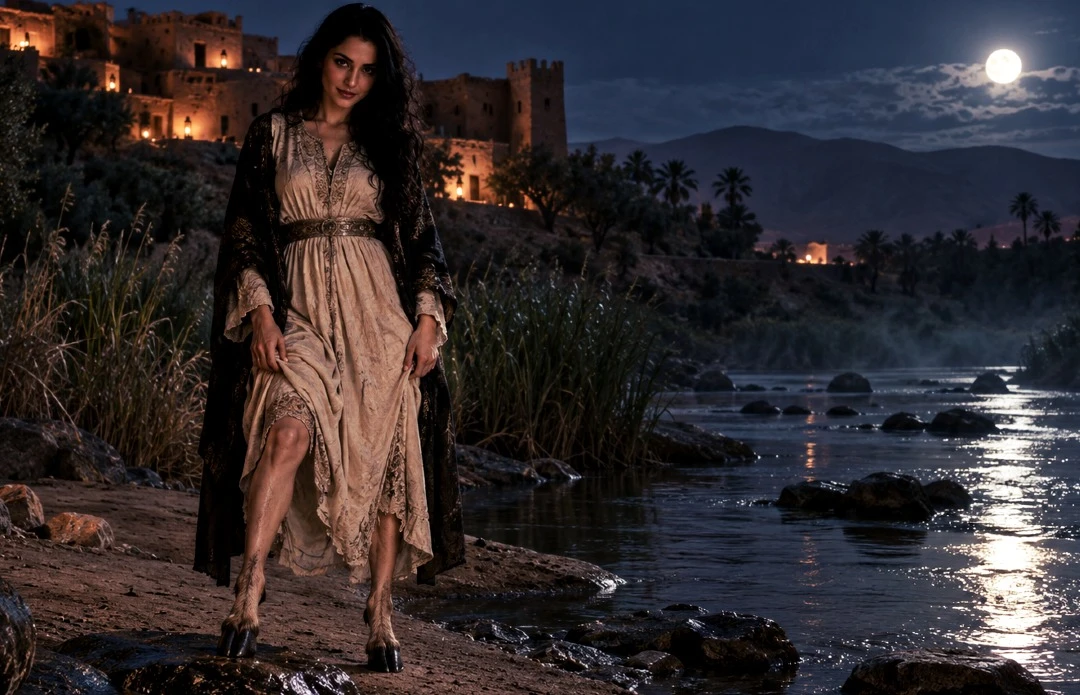
In Morocco, there is Aicha Qandisha whose beauty hides the legs of a hoofed animal. She is said to seduce men, driving them to madness or death. These figures all share the contrast between captivating appearance and a terrifying physical trait, but their similarities don’t necessarily point to a common origin. Each culture may have crafted its own cautionary tales about the dangers of being deceived by beauty or encountering strangers in isolated places.
From Campfire Tales to the Big Screen
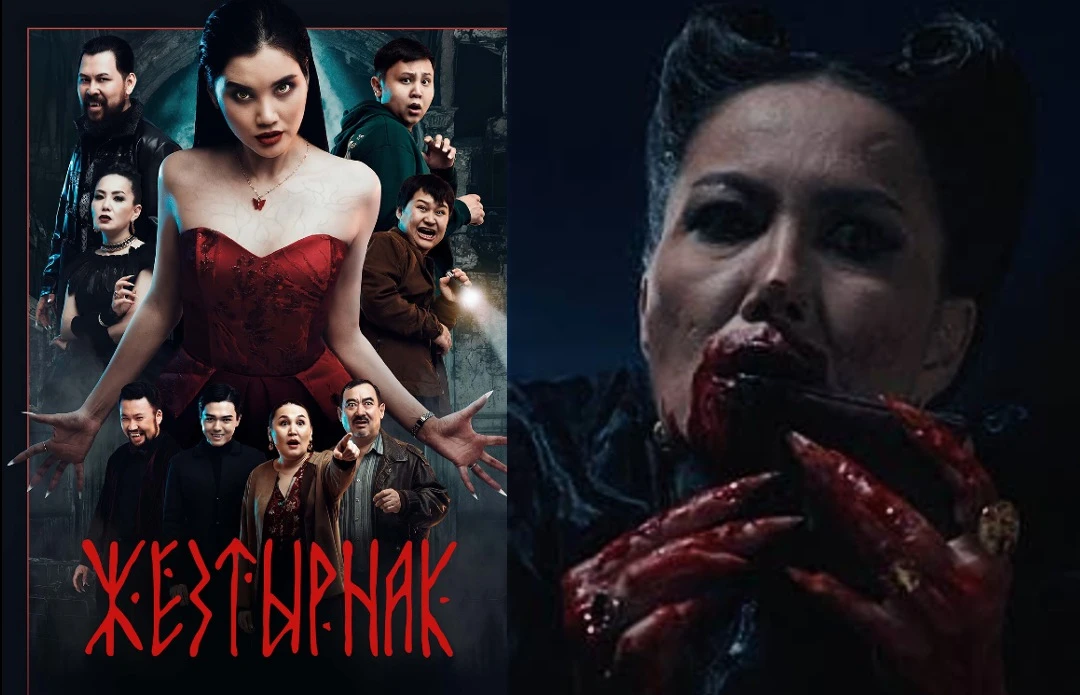
Jeztyrnaq made her way to cinema in the 2024 Kazakh film Жезтырнақ, directed by Anuar Matzhanov. Blending folk horror with comedy and fantasy, the story follows Miras, a young man from Almaty who falls for the beautiful and successful Aina. His parents are thrilled at the prospect of joining her wealthy family, but behind the doors of her mansion lie secrets they could never imagine. The film suggests that clawed, supernaturally strong beings still live among humans, even if people no longer believe in them. In this way, the legend moves from the isolation of the wilderness to a romantic relationship and a meeting between two families, while retaining its most unsettling idea: danger can appear beautiful and familiar until the moment it reveals its claws.
About the Author