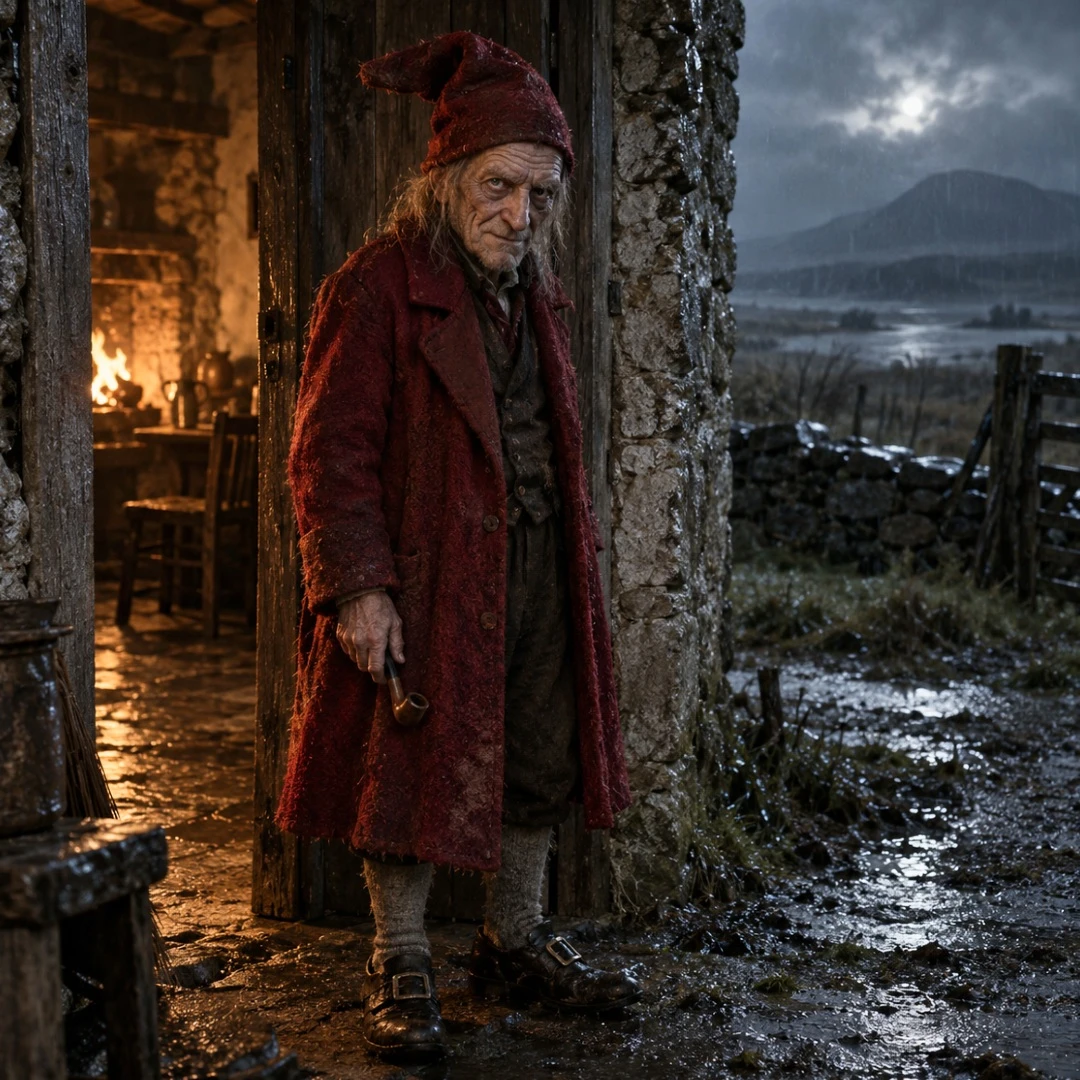
In an old Irish tale, a weary traveler knocks on the door of a cottage, hoping for a place to spend the night. But the homeowner asks an unexpected question: Can you tell a story? When the traveler admits he can't, he's turned away into the night. Little does he know, the hours ahead will give him a story he wishes he'd never lived, as someone has decided to teach him the art of storytelling through fear.
This is one way into the world of the 'Red Man,' a being who mixes mischief with cruelty, and for whom human terror is a source of amusement. In Irish folklore, supernatural creatures don't always grant wishes; some test their guests, impose themselves on households, or laugh when people lose their grip on reality.
Neighbors We Don’t Really Know
Today, the word 'fairies' often brings to mind tiny, winged creatures surrounded by flowers and light. But in Irish tales, 'fairies' refers to a wide range of beings—male and female, of various shapes and sizes, each with their own relationship to humans. Some are social and appear in groups, others are solitary, and they can bring either luck or harm.
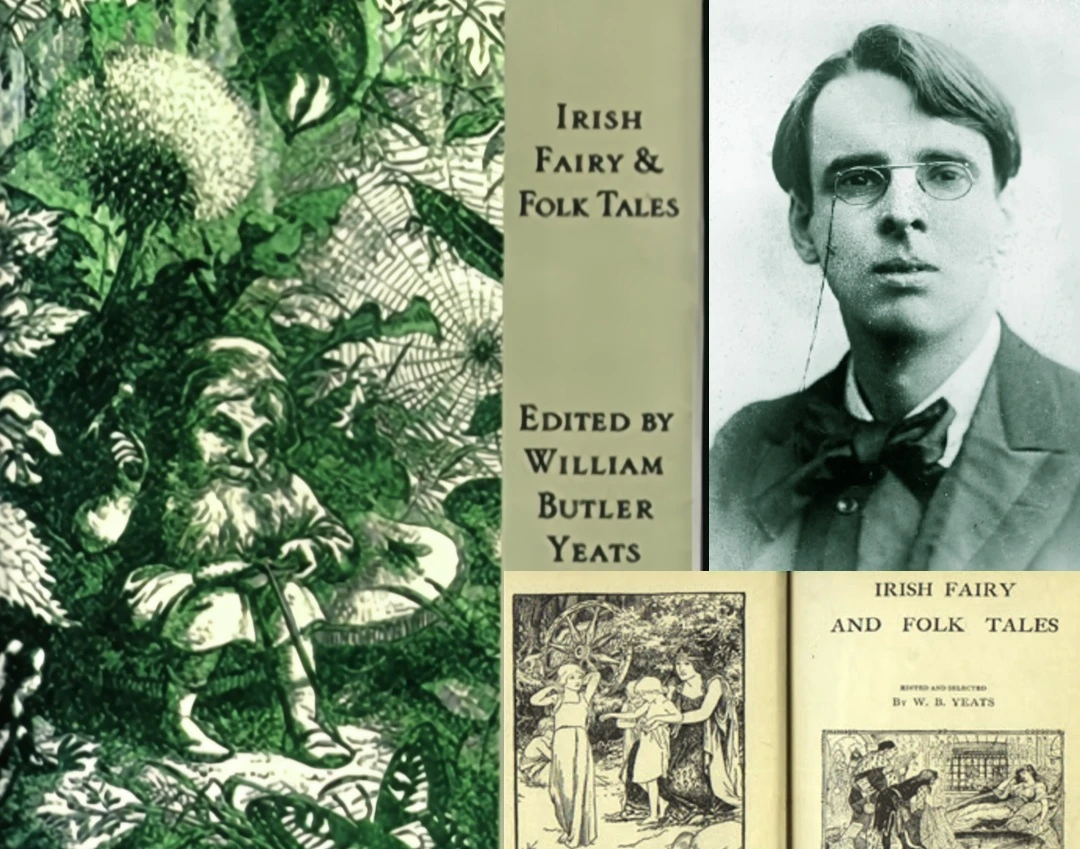
In his 1888 collection 'Fairy and Folk Tales of the Irish Peasantry,' William Butler Yeats lists the Red Man alongside the leprechaun and clurichaun as solitary creatures. Yet, he also notes that Irish writers don’t always agree on where one ends and another begins: Are they truly separate beings, or just different faces of the same spirit?
This uncertainty is part of folklore itself. Stories shift as they pass from one storyteller or region to another, with names and details changing along the way. When folklorists try to organize these tales, they often find that the world they’re studying doesn’t fit neatly into categories like those in animal encyclopedias.
Who is the Red Man?
His name in Irish is Fear Dearg, and in English sources you might see Far Darrig or Fir Darrig, all meaning 'the Red Man,' a reference to his clothing. Yeats describes him as wearing a red cap and coat, and being fond of pranks, especially the terrifying kind.
Thomas Crofton Croker, in his book 'Fairy Legends and Traditions of the South of Ireland,' highlights another trait: the Red Man’s flexible voice, which can mimic the sound of waves, birdsong, or even angelic music. Croker notes that people often plead with him, saying, 'Don’t mock us,' as if what they fear most is becoming the butt of his jokes.
His appearance isn’t fixed. In one of Croker’s tales, he’s short, with a wrinkled face, long gray hair, and a crimson coat that nearly touches the ground. In another story collected by Yeats, the Red Man appears as a very tall figure. The red cap and coat are his trademarks, but the stories themselves go far beyond the image of a single small creature.
The Night Pat Diver Got His Story

In 'The Red Man of Donegal,' a tale Yeats attributes to Letitia Maclintock, we meet Pat Diver, a traveling tinker used to sleeping in humble places and by the roadside.
After a long day’s work, night falls as he’s walking along a mountain road. He knocks on several doors but finds no shelter. At a cottage where an elderly couple lives, they ask if he can tell stories. He admits he’s not much of a storyteller, and they tell him only those who can spin a tale may stay the night. Grumbling, he leaves, but then spots a barn behind the house, sneaks in, and falls asleep under the hay.
He’s awakened by the footsteps of four very tall men dragging a corpse. They light a fire, hang the body by its feet, and one of them begins to spin it over the flames. When he asks another to take over, the second man refuses and announces that Pat Diver is hiding under the hay and can do the job instead.
The terrified Pat is dragged out and threatened: if he lets the body burn, he’ll take its place. The men leave, but as the fire burns through the rope, the corpse falls into the embers and Pat runs for his life.
He hides in a grassy ditch, but the men find him, still carrying the corpse, and force him to take it to the ruins of Kiltown Abbey. While they dig a grave, Pat climbs a tree, hoping to escape, but the tallest of the men spots him again and orders him down to help with the digging.
At that moment, the roosters crow. The men announce they must leave, and tell Pat he’s lucky he won’t be buried with the corpse.
But the story doesn't end with survival. Two months later, Pat encounters the tall man again in the middle of the market in Raffo. Pat tries to pretend he doesn't recognize him, but the stranger reminds him, without saying it outright, that when he returns to Inishowen, he'll have a story to tell.
This is where the dark humor reveals itself: the traveler who arrived without a story to pay for his hospitality is forcibly given a terrifying one. The tale offers no rational explanation for what happened, leaving us with beings who know where their victim hides and control the course of the night—so much so that even survival becomes part of their cruel joke.
The Guest Who Brought Good Luck
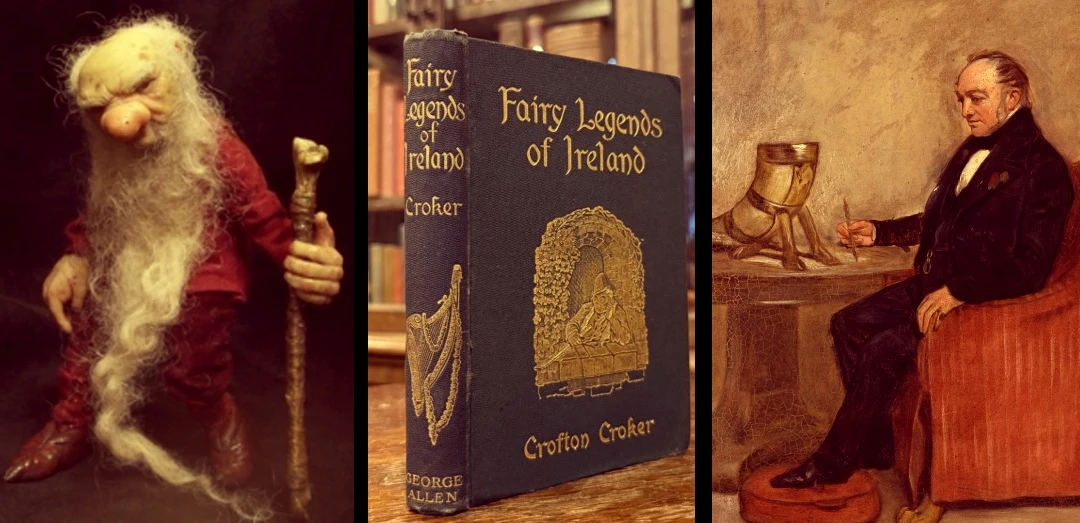
But the Red Man isn't always a tormentor. In the story of 'The Lucky Guest' collected by Croker, a young woman named Ellen Connell tells of a mysterious visitor who came to her family's home in County Cork.
The story begins on a stormy night when the family hears a faint voice asking to come in. One of the children opens the door, and in steps a short figure, about two and a half feet tall, wearing a pointed red hat and a long coat, with gray hair draped over its shoulders.
Without greeting anyone, the visitor heads straight for the fire, picks up the father's pipe, which he had dropped in fright—then sits down to smoke and dry his clothes. The family retreats, and the neighbors flee into the rain, while the guest settles in by the hearth as if he’s always belonged there.
The visits become a regular occurrence. Around eleven each night, a small, hairy arm appears through a gap in the door, signaling to the family that they should let the visitor in and leave the space to him. Over time, they start to associate his visits with good fortune, and their initial fear turns into anticipation.
The story links misfortunes, like livestock dying, to ignoring the visitor’s signals. It also mentions a man who struck the creature’s arm and died soon after. These are presented as cause-and-effect relationships within the tale, not as proof that the being actually caused illness or death.
Eventually, the landowner notices the family’s prosperity and tries to impose demands they can’t meet, leading to their eviction. In their new home, the family waits in vain for the red man; they even make a similar hole in the door and bring the old door and items from the hearth, but he never returns.
The girl’s account ends with loss and the family’s separation. The guest who once frightened her becomes a symbol of a lost home and a prosperity she couldn’t keep. Notably, Ellen admits she was very young during the first visit and that some details came from her siblings and others—an acknowledgment within the story itself that family memory has become folklore.
Hospitality Put to the Test
Both stories place hospitality at the heart of encounters with the unknown. In one, a person seeks shelter and is expected to share a story; in the other, a supernatural visitor arrives at a human home, and the hosts must make room for him.
This contrast highlights the tension that comes with welcoming a stranger: generosity opens the door, but doing so means inviting someone whose nature is unknown into your most private space. In these tales, the gap between the host’s wishes and the guest’s demands grows until the relationship becomes a test of fear, obedience, and boundaries.
Humor here isn’t a break from fear, it’s one of its sources. What the creature finds amusing might be the human’s most miserable night. The red man’s cruelty lies in the fact that the rules of his game are never explained to his victims.
Is His Hat Stained with Blood?
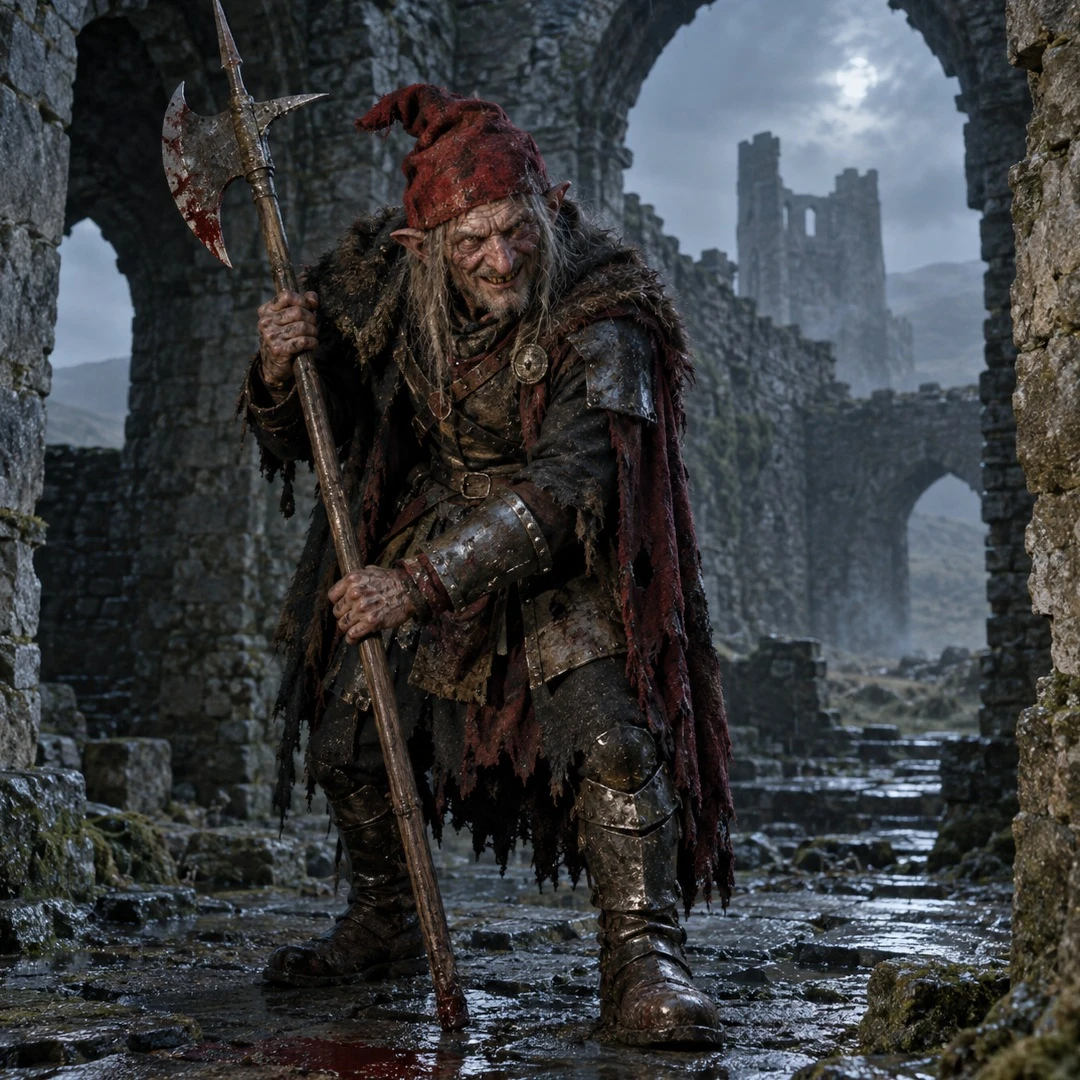
Searching for the red man quickly brings up images of another figure known as the Redcap. In its most famous traditions, tied to the English-Scottish border, the Redcap haunts ruined castles and attacks those who seek refuge there, dyeing his hat in the blood of his victims. Stories describe him with protruding teeth, claws, iron boots, and a staff tipped with metal.
However, the connection between him and the Irish red man didn’t start with the internet or movies. Even Croker, in his early notes, equated the two and compared the red man to other mischievous household spirits from various European traditions.
It’s more accurate to acknowledge this historical overlap while recognizing the differences: the Irish red man is known for his scarlet clothes and pranks and may appear as a lucky guest, while the blood-soaked hat is a defining trait of the borderland Redcap. Similar names don’t justify attributing all the qualities of one to the other, or assuming the Irish figure’s red clothes are stained with blood.
What Do These Stories Reveal About Their Tellers?
These texts preserve snapshots of folk beliefs as shaped by storytellers and collectors. They offer insight into what people once said about the hidden world, but they’re not independent evidence of supernatural beings.
Common fears run through these tales: the traveler cut off from others, the home open to strangers, livestock falling ill, prosperity gained and lost, and the inability to protect one’s family from greater powers. In 'The Lucky Guest' especially, the supernatural blends with social reality, the human landlord is the one who evicts the family, and they’re unable to regain the protection they believed the visitor provided.
There’s no need to reduce all this to a single explanation dream, hallucination, or trick. These are stories passed down and shaped into literature, lacking the details needed to diagnose the original experiences. Their real value lies in showing how popular imagination gave fear a face, and how luck became a guest who might enter the home and then vanish forever.
From the Hearth to the Silver Screen
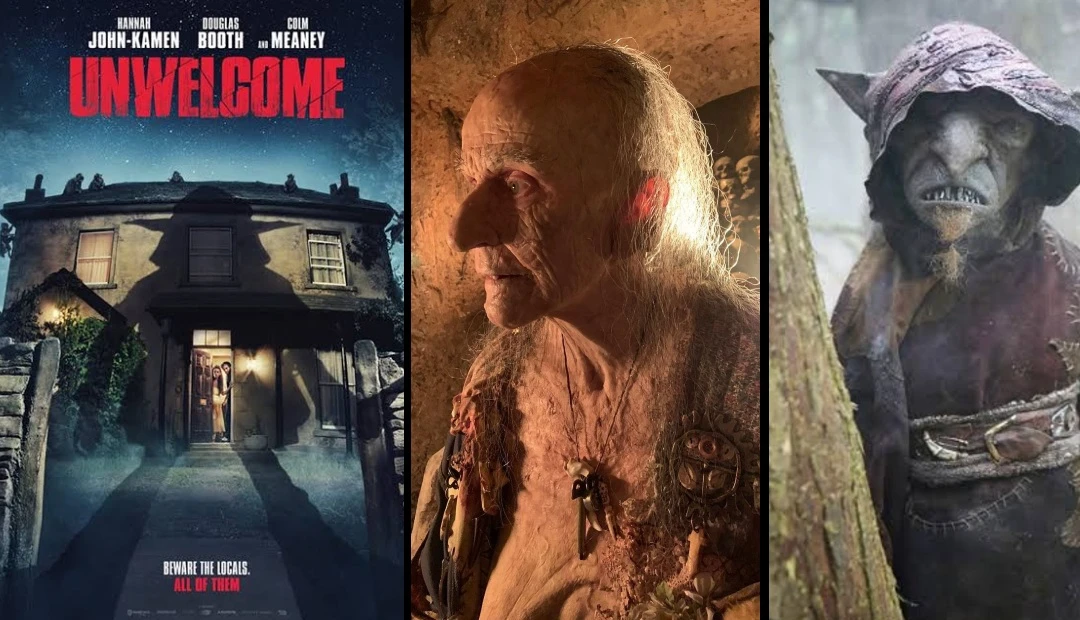
This space between mischief and menace has found a modern expression in the film Unwelcome released in 2023. The story follows a family that moves to the Irish countryside, only to discover that their relationship with the local creatures comes with obligations and a price for any help received. Director Jon Wright has spoken about his fascination with the darker side of folklore, and with beings that take pleasure in causing harm.
The film draws on familiar elements and reshapes them for its own narrative. In older sources, the Red Man is far less predictable than a typical movie monster, he might leave someone trembling in a graveyard, or sit quietly by a family hearth, his presence seen as a sign of prosperity. In both cases, the stories are driven by a lingering question: what if the being that enters your home doesn’t understand hospitality or humor the way you do?
About the Author