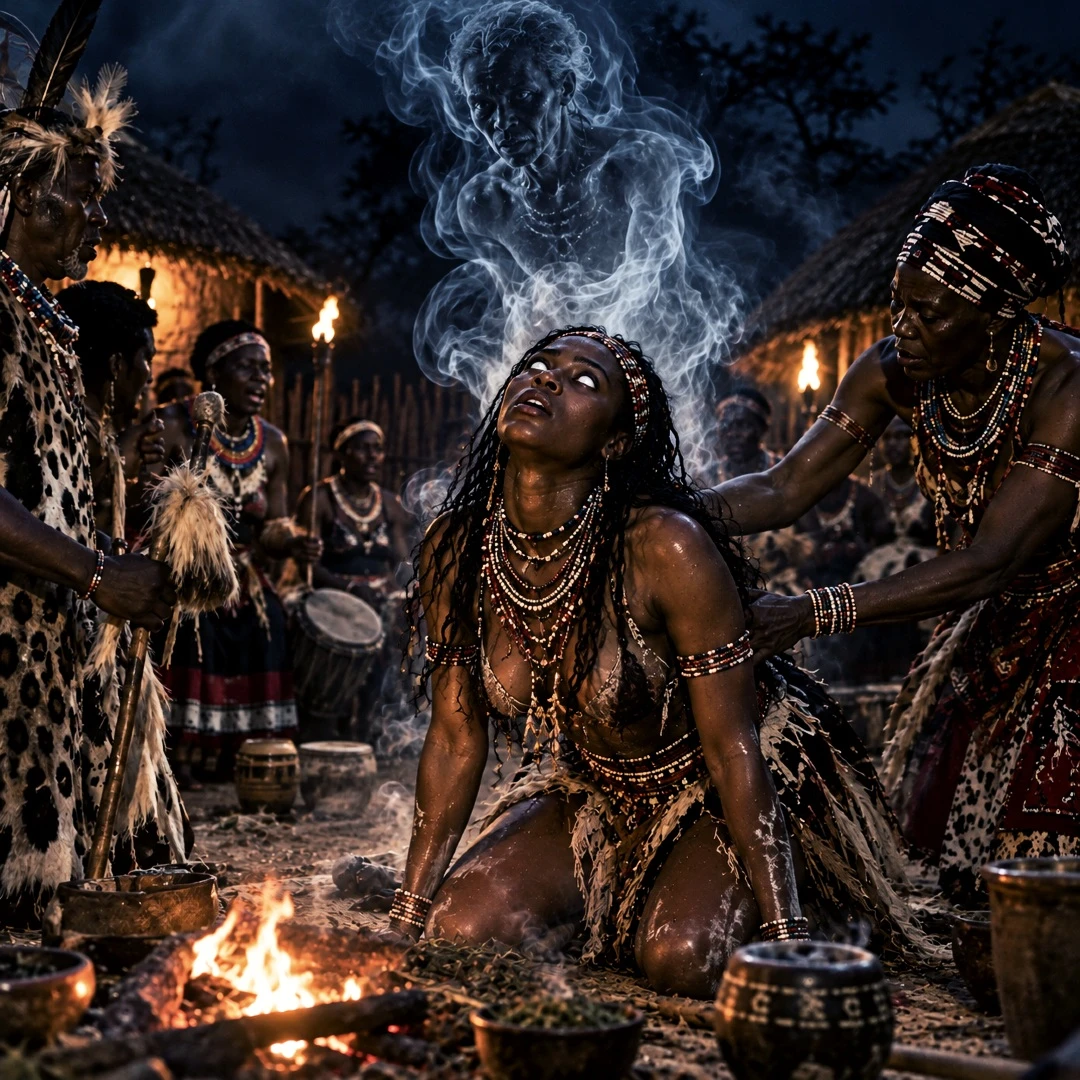
In November 1910, eleven women stood trial in the town of Eshowe in Zululand, South Africa. The youngest was fourteen, the oldest thirty. They were accused of practicing witchcraft, but all denied the charges, insisting instead that they were victims of a mysterious force that took over their bodies, causing them physical and psychological pain beyond their control.
This force was known as the Indiki, a spirit believed to possess people, overriding their will. According to historical accounts, those affected would tremble, scream, and sometimes speak in voices or languages they had never learned. The Indiki was distinct from The Tokoloshe is a small mythical creature in Zulu folklore, said to be summoned by witches to harm people, especially while they sleep. In contrast, the Indiki is seen as a wandering spirit that possesses individuals, sometimes speaking through them and controlling their actions.
Colonial authorities were unsure how to interpret these cases: Were the women truly practicing witchcraft? Were they faking possession to gain money or offerings? Or were they suffering from an unknown psychological disorder?
This was not an isolated incident. Since the 1890s, reports of similar cases among Zulu women had become common, raising concerns among colonial officials, local leaders, and Christian missionaries.
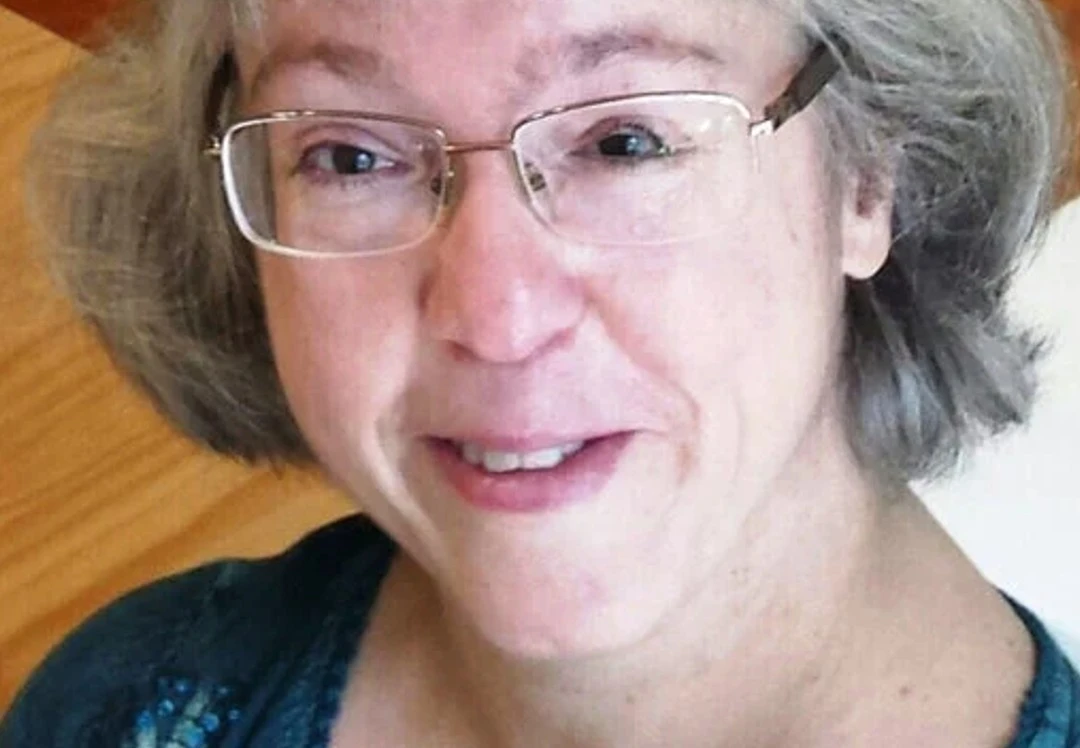
Nearly a century later, South African historian Julie Parle revisited these events, drawing on court records, official correspondence, and ethnographic accounts for a 2003 study titled:
"Witchcraft or Madness? The Amandiki in Zululand, 1894–1914"
1914 - 1894 Witchcraft or Madness ? The Amandiki of Zululand
But what were these spirits said to speak with the voices of the dead? Why did the phenomenon affect women and girls in particular? Was it rooted in ancient religious beliefs, or was it a psychological and social response to the upheavals South Africa was experiencing at the time?
The Indiki: A Strange Spirit That Possesses People
To understand the Indiki, it's important to first look at the role of ancestral spirits in traditional Zulu beliefs. The Zulu are one of the major ethnic and linguistic groups in South Africa.
In these beliefs, a person's connection to their family doesn't end with death. Instead, they continue to exist spiritually as part of the ancestors, known as the Amadlozi. These ancestors are thought to maintain ties with the living, offering protection and guidance, or expressing displeasure if family rituals and obligations are neglected.
According to tradition, ancestors might communicate their wishes through dreams, illness, or unusual events. Families would consult traditional healers to understand the cause and restore balance between themselves and the spirit world.
But the Indiki was not just an ordinary ancestral spirit seeking respect. In some accounts, it was associated with a much more disturbing form of spiritual possession.
Historical sources do not describe the Indiki as a physical creature or a monster lurking in the forest. Instead, it is seen as a spirit that takes control of a living person. Those believed to be possessed were called Amandiki—a term especially used for groups of women associated with this phenomenon.
Interestingly, the meaning of Indiki itself changed over time. Early accounts linked it to the spirits of strangers who died far from home, but later it became associated with the spirits of deceased male relatives from the woman's own family.
This shift is significant. It shows that we are not dealing with a fixed legend, but with a belief that the community reinterpreted as its historical and social circumstances changed.
From the spirits of fallen warriors to vengeful souls seeking retribution
One old account traces the origins of the Indiki to conflicts and wars in southeastern Africa, particularly in areas that are now part of Mozambique and Eswatini, formerly known as Swaziland.
According to a story recorded in colonial archives, several Shangana healers were killed during a raid by Swazi warriors on the Gazaland region. But the story didn’t end with their deaths. It was said that, through their magical powers, the healers managed to transfer their own souls and those of other victims into the bodies of the attackers themselves.
As a result, the warriors were believed to carry within them the spirits of their victims, who tormented them physically and mentally in revenge. Over time, the idea expanded to include the souls of strangers killed in battle or those who died without proper funeral rites. Instead of passing peacefully to the afterlife, these restless spirits were thought to seek out living bodies to inhabit.
According to some beliefs, a troubled spirit could be appeased by making amends for the original harm or by performing rituals and offerings to restore its peace.
There’s no independent historical evidence confirming that this particular raid was the true origin of the Indiki belief. Still, the story reveals a powerful idea: a person who was wronged in life or denied a proper death returns to demand justice from the living.
This concept appears in many cultures, where injustice, violent deaths, or incomplete funeral rites are seen as reasons for spirits to return and seek vengeance.
Strange cases that alarmed missionaries
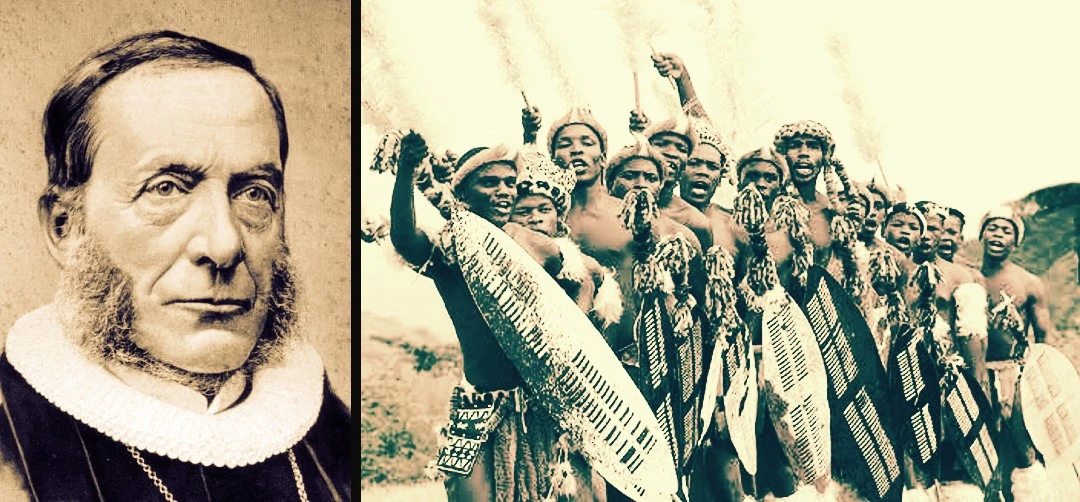
One of the earliest written accounts of the spread of the Indiki dates to November 17, 1894. On that day, Norwegian missionary Nils Astrup, working in northern Zululand, sent a letter to colonial authorities warning them about what he described as a new and rapidly spreading illness, then known as 'Mandike.'
According to his report, some affected individuals would fly into violent rages and claim they were possessed by the spirit of a deceased person. They demanded unusual foods including dog meat, and threatened specific people with harm if their demands weren’t met.
The letter also described cases where people reportedly rushed into water and drowned, as well as others who began speaking languages they had never learned.
Local communities turned to traditional healers and diviners, holding long sessions of singing and drumming, sometimes lasting all night in attempts to drive out or calm the spirits.
According to the letter, these gatherings weren’t limited to the afflicted individuals; children and elders often took part, turning the phenomenon from a personal ordeal into a collective social event.
The reports of people speaking unknown languages are particularly noteworthy, as they recall a phenomenon known as speaking in languages the person never learned. Xenoglossy, This claim appears frequently in stories of spirit possession and trance states.
However, Astrup’s letter does not provide recordings or linguistic tests to determine whether people were actually speaking a real foreign language, or if their unintelligible sounds were simply interpreted that way.
Therefore, the historical value of this account lies in documenting the existence and spread of the belief, rather than proving any supernatural linguistic phenomenon.
How does possession manifest ?
According to reports collected by Julie Parl, a series of symptoms were attributed to the entry of the Indiki spirit into a woman's body. The episode might begin with intense crying and pounding the chest with clenched fists, followed by tremors, muscle contractions, and numbness in the limbs and fingers. The affected woman might emit a low, growling sound and appear unaware of her surroundings. In more severe cases, the episode could end with convulsions or loss of consciousness.
Some local testimonies from the early twentieth century held that the first violent episode occurred at the moment the spirit entered the body. Even after the episode ended, the woman was believed to remain connected to the spirit. Notably, a local official’s report dated January 4, 1910, linked the term ubuNdiki to the Zulu verb dikiza, which refers to trembling and muscle contractions, though this was a historical linguistic interpretation specific to the report’s author.
By 1910, the identity of the possessing spirit had shifted. It was no longer necessarily the spirit of a vengeful outsider or warrior; in many cases, it was interpreted as the spirit of a deceased father, brother, or relative. Instead of demanding revenge, the spirit would ask a living male family member to offer a sacrifice or perform a ritual to free the woman from her suffering.
This change redefined the meaning of possession: what was once seen as a threat from outsiders became understood as a disturbance arising within the family’s relationship with its ancestors.
Amandiki Women: Dance, Offerings, and Deep Voices
As belief in Indiki possession spread, women who had these experiences began forming their own groups. Historical reports mention gatherings of up to twenty-eight women, who would sometimes move between traditional homes and stay for several days. These gatherings were marked by drumming, dancing, and loud voices.
On certain occasions, the women wore garments made from red scarves, and the rituals would continue late into the night. The dancing was not merely celebratory; it was part of rituals believed to address the possessing spirit. Family members were expected to bring gifts or slaughter an animal—often a goat—to appease the spirit and drive it out. Traditional remedies were also used, including medicines administered through the ear or substances intended to induce vomiting.
However, the amandiki were not exactly like traditional healers or fortune-tellers. They claimed to have special knowledge for treating Indiki possession, but did not necessarily claim the ability to diagnose other illnesses or predict the future.
Over time, some of these groups began charging fees for their services. There were also reports of some women threatening those who refused to pay or offer sacrifices, warning that they too could become amandiki. This led to conflicts with families, local leaders, and authorities.
On one hand, the women insisted they were suffering from an involuntary condition that required treatment. On the other, some community members accused these groups of disrupting work, draining family resources, and exerting undue influence over others.
Objections did not come only from Europeans. Records show that some elders and Zulu leaders themselves viewed Indiki possession as a new and unwelcome phenomenon, rather than a longstanding tradition to be preserved.
Possession That Gives a Woman a Man’s Voice
One of the most striking features of Indiki possession was the change in a woman’s demeanor during an episode. Some sources noted that amandiki women would sometimes speak in deep, masculine voices and behave with a boldness that defied the social expectations of their everyday lives. When believed to be speaking with the voice of a deceased man, a woman could demand money or offerings from her relatives, or express anger toward certain individuals, without her actions being seen as her own.
According to local beliefs, it was not the woman herself speaking, but the spirit controlling her. This opens up an important anthropological question: did the masculine spirit provide a way for women to express desires or objections that society would not otherwise allow them to voice?
Studies of spirit possession in various societies suggest that these episodes can serve as a symbolic language for expressing distress or protest, especially among groups with limited social power.
However, this does not mean that women were deliberately faking possession. A woman could have a genuine psychological and physical experience, while the way it was interpreted and expressed was shaped by the beliefs of her culture.
It’s important, then, to distinguish between the woman’s personal experience, the meaning her society assigns to it, and the social role that might emerge as a result.
The Ishowe Trial: Witchcraft or Illness?
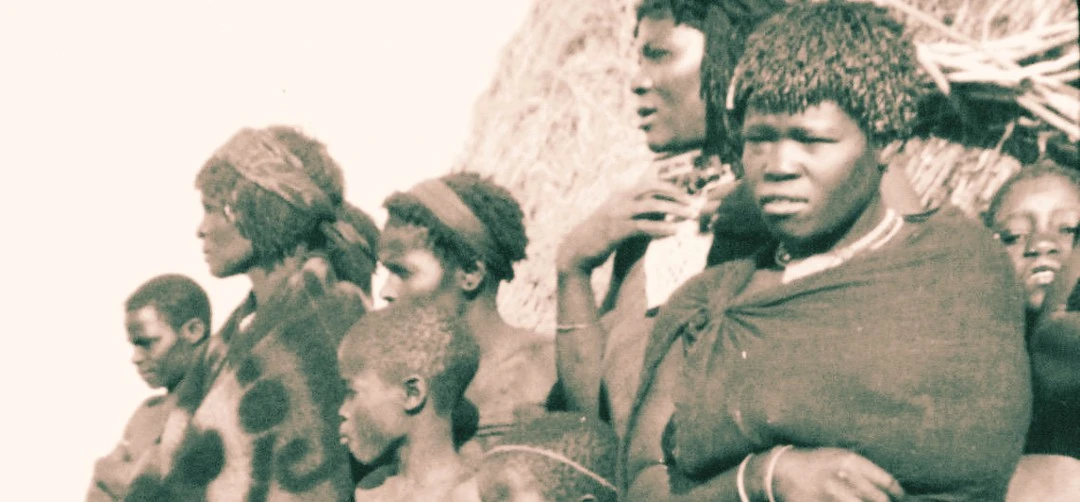
The conflict over the Indiki reached its peak on November 24, 1910, when eleven women appeared before the Ishowe magistrate in the case known as 'Rex vs Nomlenze and Ten Others.' The women were charged with practicing witchcraft under the laws of Zululand, but they only admitted to being members of the Amandiki and insisted that what they suffered from was an illness caused by a spiritual force beyond their control.
According to court records reviewed by Julie Parle, one of the accused, Nonhlanhla, was just fourteen years old. The women's testimonies described attending a gathering at a home and drinking traditional beer, while denying any other wrongdoing.
The judge faced a legal dilemma: if the women had deliberately practiced witchcraft or deceived others for financial gain, they could be convicted. But if they were suffering from a disorder that made them unable to control their actions, could they really be held criminally responsible in the same way?
The case was passed between officials until it reached the Attorney General of Natal, J. M. Bird, who considered the possibility that the women were experiencing an involuntary psychological condition. In that case, their actions, however unusual, could not be treated as intentional crimes. Ultimately, the women were released after receiving a stern warning.
But this was not the end of the prosecutions. In 1911 and 1912, other women appeared before the Ishowe court, and some were sentenced to fines and up to three months of hard labor.
In January 1914, complaints about the ongoing phenomenon were still reaching officials, despite attempts to ban gatherings and rituals. These events reveal an aspect just as unusual as the belief itself: colonial courts were forced to grapple with a complex philosophical and medical question about free will and responsibility for actions people attributed to forces beyond their control.
At the time, neither the courts nor the doctors had a single, unified answer.
Why were women and girls most closely associated with the Indiki?
It's worth noting that Indiki was not initially limited to women; some sources mention that men were also affected. However, by the early twentieth century, the phenomenon had become almost exclusively linked to women.
So why did this shift occur ?
Some researchers suggest the answer lies in the social and economic changes that swept through South African communities during that period. Colonial rule, new taxes, the rise of a cash economy, and the migration of men to work in mines and urban centers all disrupted traditional family structures. Many women found themselves shouldering increased agricultural and household responsibilities, yet their authority over decisions and resources remained limited. At the same time, tensions grew between generations and between men and women over work, marriage, obedience, and control of resources.
Historian Patrick Harries argues that certain forms of spiritual possession became a symbolic outlet for psychological and social tensions that were difficult to express openly.
Julie Parle points out that the appearance of Amandiki in women's groups, their involvement in healing, and their requests for money and offerings may have given them a limited sphere of influence outside the roles defined by older male authority.
However, Parle's study does not reduce the phenomenon to a deliberate act of female protest. Instead, she sees it as a complex result of intertwined psychological distress, religious beliefs, changing healing practices, and shifting social relationships.
Age deserves special attention here. The presence of a fourteen-year-old girl among the accused, alongside women up to thirty, shows that the phenomenon affected both teenagers and young women, but was not limited to adolescence.
This raises a broader question that recurs throughout the history of possession stories, and even in some accounts of poltergeists: Why do girls and teenage girls appear so frequently in certain types of supernatural stories?
Part of the answer may relate to the changes and pressures of this stage of life, family, school, and social expectations as well as cultural norms that shape how distress is expressed. But there is no single proven reason that explains all cases, and it's not accurate to turn this pattern in some records into a general rule about girls.
Between Indiki and the Call of the Ancestors
It's important not to confuse Indiki possession with the spiritual experience among the Zulu known as Ukuthwasa, which is associated with being called by the ancestors to become a traditional healer or diviner.
In Zulu beliefs, a chosen person may experience illnesses, dreams, disturbances, or unusual events, sometimes interpreted as signs from the ancestors inviting them to undergo training and take on a spiritual role in the community.
The healer or diviner is called an Isangoma (plural: Izangoma), while a healer who specializes in traditional medicines and herbs is known as an Inyanga.
The key difference is that when someone is called by their ancestors to become an isangoma, the experience can lead to community recognition of their spiritual status and healing abilities. In contrast, historical records describe indiki as a distressing and disruptive experience that doesn't necessarily grant the person respect or a lasting role in society.
However, the boundaries between these beliefs have not always been clear or consistent, and researchers have debated how they relate to each other.
Could an experience that begins as a spiritual illness eventually become a source of knowledge or authority? Or is it the community that decides whether someone is a respected spiritual medium or a victim of dangerous possession?
This distinction highlights an important reality: not all spirit-related experiences within a culture carry the same meaning. One might be seen as a blessing, while another is viewed as a trial.
The Return of Mass Possession Episodes in Schools
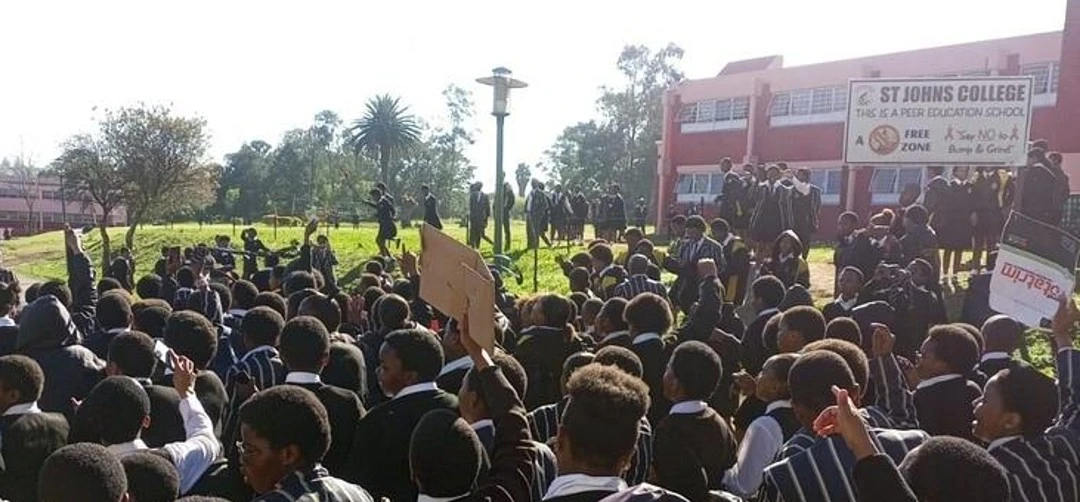
Decades after the amaNdiki trials, South Africa witnessed an incident that echoed some of the phenomena described in historical accounts.
In late May 1999, unusual events unfolded among female students at St John's College in Umtata, now known as Mthatha in the Eastern Cape province.
Some students began screaming, shaking, and collapsing, while others appeared to lose control over their movements.
More than a hundred students were affected, prompting the school administration to call in Anglican clergyman Ebenezer Ntlali, who performed religious rituals in the belief that evil spirits were responsible.
According to a Mail & Guardian report published on May 31, 1999, 32 students were hospitalized after the rituals, with some receiving sedatives or being kept under medical observation.
Interestingly, the phenomenon only affected girls—no similar cases among male students were reported. Some media and academic interpretations linked the incident to exam stress and social changes, while others viewed it through the lens of local beliefs about spirit possession.
It's important to note that the St John's incident was not documented as a confirmed return of indiki. Some studies connected its cultural interpretation to another belief known as Amafufunyana, a recognized form of possession in South Africa. The similarity between the two cases lies in the possession-like symptoms and their spread among girls, not in evidence that the same spirit or belief was involved.
What Does Modern Psychiatry Say?
Setting aside spiritual explanations, many symptoms attributed to indiki, such as altered sense of identity, loss of control over movement or speech, and trance-like states can be discussed within the context of various psychological and neurological disorders.
One related concept is known as Possession Trance Disorder, classified as code 6B63 in the World Health Organization's ICD-11.
In this disorder, a person experiences episodes in which their awareness and usual sense of identity change, and they feel as if an external entity has taken over and is controlling their behavior or movements.
This doesn't mean that medicine recognizes the existence of such an entity. Rather, it describes the nature of the experience as felt by the person affected. The disorder isn't diagnosed simply because someone participates in a religious or cultural ritual involving trance; it must be involuntary, unwanted, not an accepted group practice within its cultural context, and must cause significant distress or disruption in the person's life, with other medical and psychological explanations ruled out.
When similar symptoms appear among a group of people, this can sometimes be studied under what's known as Mass Psychogenic Illness, where real symptoms develop among individuals sharing the same environment. Factors like stress, fear, observation of others, and rumors can contribute to the spread.
Describing the phenomenon as psychological doesn't mean those affected are pretending or being deceptive; the symptoms can be distressing and very real, even when no clear physical cause is found.
A recent systematic review of 19 studies on outbreaks of mass psychogenic illness in schools found recurring factors such as psychological stress, rumors, collective anxiety, negative perceptions of authority, close social ties, and a sense of threat.
Still, it's important to be cautious about applying modern diagnoses to women who lived more than a century ago. Colonial records don't provide detailed clinical assessments that would allow for a specific diagnosis, and some descriptions were influenced by biases against women and Africans.
The term 'hysteria,' used by officials and doctors at the time, carried medical and social meanings that are very different from today's psychological classifications.
For this reason, it's more accurate to talk about possible explanations rather than a definitive diagnosis for every woman described as being possessed by the Endiki.
Was the Endiki simply a case of collective delusion?
The central question remains: Did a supernatural event actually occur, or can everything that happened be explained entirely by psychological and social factors?
Historically, there is evidence that belief in the Endiki was widespread and that rituals associated with it were practiced. There are also court records documenting trials of women linked to these experiences. However, the existence of such documents doesn't prove that the spirits of the dead entered women's bodies or that someone spoke a foreign language they had never learned.
On the other hand, not all experiences should be dismissed as fabricated simply because those involved interpreted them spiritually. A woman might genuinely suffer from disturbances in consciousness, movement, or emotion, and make sense of her experience through the cultural traditions she grew up with.
It's likely that the historical Endiki phenomenon can't be reduced to a single cause. There's a difference between a woman who had an involuntary episode, another who joined a ritual group seeking healing or belonging, and a third who may have benefited from the authority granted by others' belief that a spirit was speaking through her.
Some rituals considered therapeutic could also become sources of psychological stress or financial burden, which helps explain some of the community's objections to them.
These complexities suggest that the phenomenon existed at the intersection of several worlds: religious belief, family relationships, social conflict, healing practices, and the colonial state's attempts to impose its own definitions of health, illness, and magic.
Spirits of the dead or voices of the living?
At its core, the story of the Endiki isn't just about an angry spirit inhabiting a woman's body. It's also the story of a society undergoing profound changes, trying to make sense of pain, fear, and psychological turmoil by invoking the world of ancestors and the dead.
When a woman trembled, screamed, or spoke in a strange, masculine voice, some around her heard the voice of a spirit demanding offerings. Others saw a sick woman, someone practicing magic, or a member of a group threatening the social order.
Each of these interpretations led to a different outcome: treatment, expulsion, respect, or punishment.
The Amandiki records offer a rare glimpse into how a mysterious personal experience can grow into a mass movement, eventually drawing the attention of courts, doctors, and religious leaders.
The real mystery isn't just whether the spirits of the dead truly possessed these women, it's also about something deeper:
Why did society choose to give certain women a voice only when it was believed that a dead man was speaking through them?
Perhaps the answer lies not only in the realm of the dead, but also among the living in the fears people can't express, the struggles searching for words, and the pain that finds meaning and explanation in spiritual beliefs.
Caught between supernatural, psychological, and social explanations, the Amandiki remain a powerful example of how people can transform their strangest experiences into stories, rituals, and beliefs that evolve over generations, yet keep asking the same age-old question:
Who is really speaking when someone feels their voice is no longer their own?
About the Author