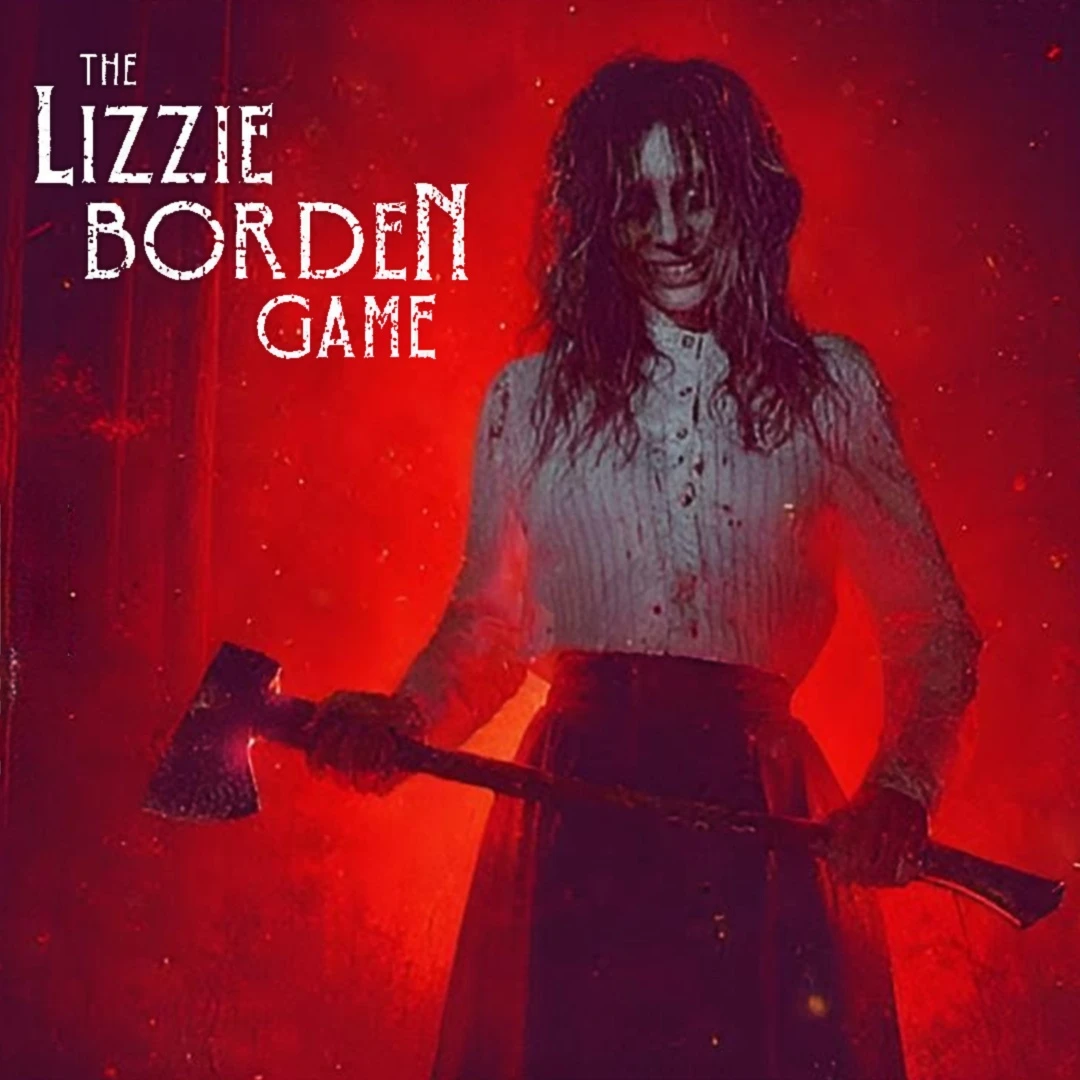
Some crimes are quickly forgotten, their files closed for good. Others refuse to fade away, even after more than a century. The Lizzie Borden Case falls into the latter category. The name of the American woman accused of murdering her father and stepmother has moved beyond court records to become a fixture in American pop culture and horror folklore.
The film The Lizzie Borden Game takes this transformation even further: Lizzie is no longer just a suspect in a mysterious historical crime, she’s now a ghost that can be summoned through a game.
A Game That Shouldn’t Be Played
The story centers on Emily, a young woman still haunted by the mysterious death of her parents. Her friend Shelby tries to help her break out of her isolation by inviting her to join a group of friends on a trip to a secluded cabin surrounded by woods.
There, they stumble upon a strange board game called "The Lizzie Borden Game." The premise will sound familiar to fans of urban legends: a mirror, a chant, and the promise that a spirit will appear to anyone brave enough to call her.
But this time, the name isn’t a fictional character, it’s a real woman tied to one of America’s most infamous murder cases. What starts as a game quickly spirals into a nightmare when it seems the group has actually summoned Lizzie Borden’s ghost, kicking off a bloody chase where the axe plays a starring role.
The True Story Behind the Film
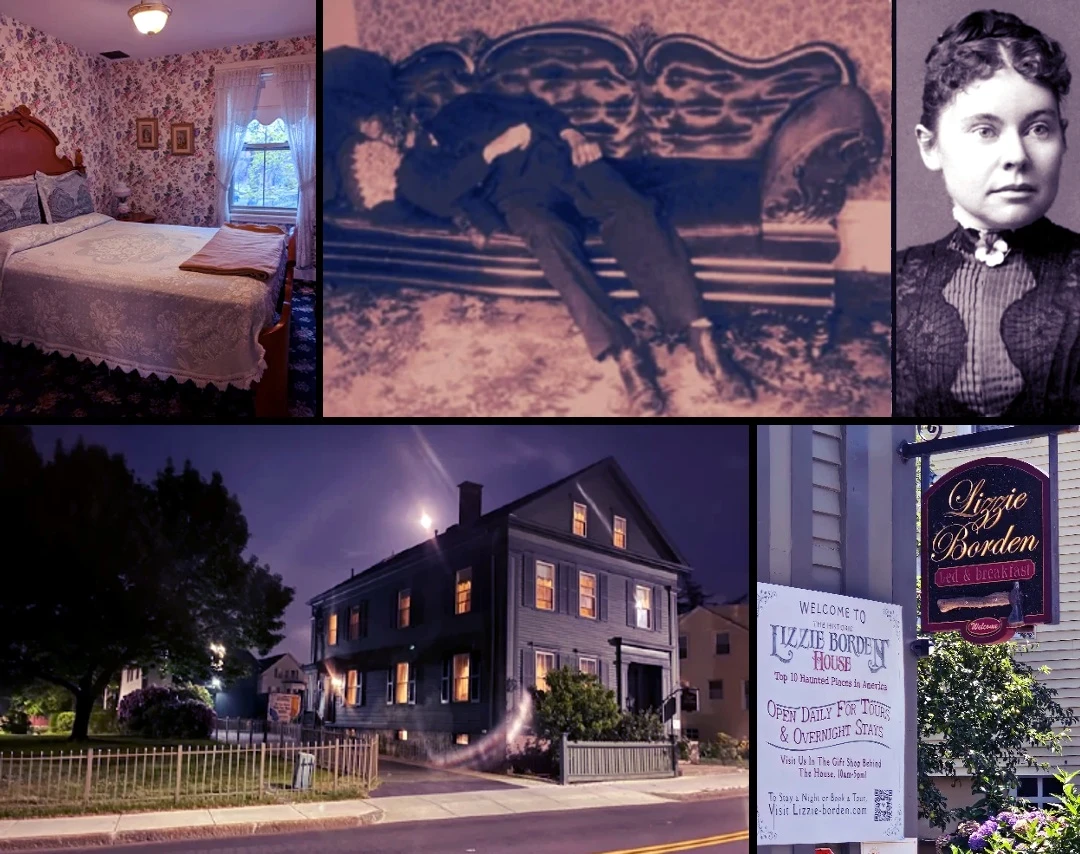
On August 4, 1892, businessman Andrew Borden and his wife Abby were found brutally murdered in their home in Fall River, Massachusetts. Suspicion quickly fell on his daughter, Lizzie Borden, who stood trial but was acquitted by a jury in 1893. To this day, the killer’s identity remains a subject of debate.
The house where the murders took place has since become a destination for true crime enthusiasts and paranormal investigators, with stories circulating about strange noises, footsteps, and other eerie experiences.
From Children’s Rhyme to Summoning Game
The film doesn’t invent the Lizzie Borden legend from scratch, it builds on something already embedded in American pop culture. After the murders and trial, a famous children’s rhyme spread, describing Lizzie wielding an axe against her family. The lyrics aren’t historically accurate, and the court acquitted her, but the rhyme endured.
This is where the film finds its hook: it transforms the old rhyme from a playground chant into part of a mirror-based summoning ritual, reminiscent of the Bloody Mary legend. The name or words are chanted under specific conditions, in hopes of summoning a terrifying entity.
With this twist, Lizzie Borden herself becomes almost a figure of urban legend: you stand before a mirror, recite the words, and wait to see if she will appear.
Interestingly, mirrors have long been associated in folklore with divination, spirits, and the boundary between the visible world and the unknown. That's why they often feature in summoning games and horror stories.
Lizzie on Film Is Not Lizzie in History
This point is key to understanding The Lizzie Borden Game: it's not a reenactment of the crime or a historical film about the case. Instead, it draws on the legendary image that has grown around Lizzie over the past century.
Although Lizzie was acquitted in court, popular culture never let her off the hook. Over time, she became known as the "axe murderer" in songs, books, plays, and movies, until the fictional character completely overshadowed the real woman.
The film fully embraces this image: Lizzie is a killer, the axe is her signature, and she returns from the dead to haunt those who summon her. In this way, the legend people created has become more powerful than the legal truth.
Supernatural horror with a slasher twist
The film doesn't try to re-investigate the case; instead, it belongs squarely in the supernatural horror genre, blended with elements of chase and serial killer movies, in other words, a slasher. After the summoning ritual, the isolated setting becomes a stage for pursuit and murder.
The film received mixed reviews; some critics pointed out its limited budget and weak script, while others felt its dark atmosphere and bloody crimes might appeal to indie horror fans. But when it comes to the story of Lizzie Borden, the film’s real value isn’t in its cinematic quality, but in how far her legend has come.
When legend eclipses reality
This is the film’s most striking irony: Lizzie Borden died in 1927 without ever being convicted, but the persona that survived her was something else entirely.
It all began with two bodies found in a Massachusetts home in 1892, followed by a trial, a children’s rhyme, then books, movies, and stories. Now, more than 130 years later, Lizzie has become a cinematic ghost summoned in front of a mirror.
For readers of the Paranormal Arabia Website Website, this is perhaps the most fascinating aspect: the question isn’t whether Lizzie Borden’s ghost can really be summoned, that’s just movie fantasy. What matters is how a real, mysterious crime gradually broke away from history and became modern folklore.
In The Lizzie Borden Game, the figure that returns from the dead isn’t necessarily the real Lizzie Borden, but the ghost created by more than a century of storytelling.
About the Author