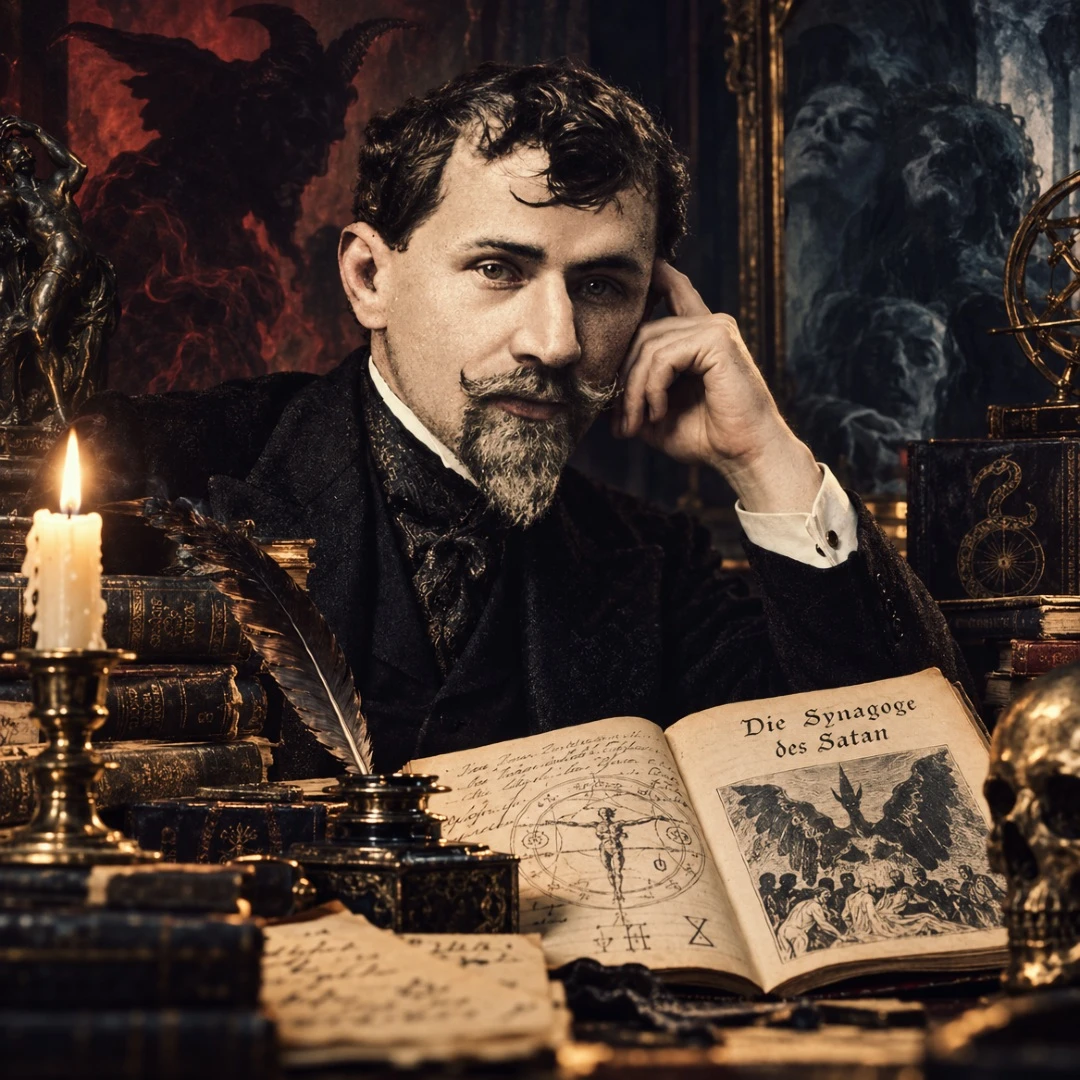
In the late 19th century, long before Anton LaVey, founder of the Church of Satan, was even born a Polish writer living between Berlin and Krakow openly declared himself a Satanist. He wrote about magic, desire, rebellion, and the darker forces within the human psyche.
His name was Stanisław Przybyszewski, and in 1897 he published a book with a title that was hard to ignore:
Die Synagoge des Satan (The Synagogue of Satan).
This book was more than just a literary exploration of the devil, it was an attempt to reinterpret Satan as a symbol of instinct, freedom, evolution, and rebellion against traditional morality. According to Per Faxneld, a scholar specializing in the history of Satanism, Przybyszewski may have been one of the earliest people to publicly identify as a Satanist and to develop a coherent philosophy around it. So who was this man who anticipated organized Satanism by nearly seventy years?
From Medicine to the World of Instinct
Przybyszewski was born in 1868 in Polish territories then under Prussian control. He moved to Berlin, where he studied architecture and then medicine, but soon found himself drawn to literature, philosophy, and the arts.
He was influenced by Nietzsche, Schopenhauer, Darwinism, anarchist and decadent movements, and lived a bohemian lifestyle marked by heavy drinking, tumultuous relationships, and heated cultural debates.
Yet beneath this provocative exterior, a single idea dominated his worldview:
Human beings are not governed by morality and reason as much as they are driven by older, deeper forces.
Instinct, desire, fear, and the urge to dominate or merge with others—these, for him, were the keys to understanding the human soul.
This perspective marked his shift from literature toward something resembling metaphysics.
When Desire Becomes a Hidden Force
To understand Przybyszewski, it's essential to consider the role of sexuality in his thought. For him, eroticism was not just a way to provoke readers, but a fundamental force driving human behavior. Influenced by Schopenhauer, he saw sexual desire as a power deeper than conscious will.
In his works, love repeatedly appears as an experience that blends ecstasy and pain, desire and destruction, union and loss.
This vision comes through in texts like 'De Profundis,' 'Androgyne,' and the 'Homo Sapiens' trilogy, where love becomes a struggle between individuals consumed by their desires rather than controlling them.
Przybyszewski also spoke of the concept of the 'naked soul' (Nagła dusza), the attempt to reach the human being beneath the masks of society, morality, and rationality.
In this raw layer of the psyche, only primal drives remain: fear, desire, jealousy, lust, and death.
So it’s no surprise that sexuality and the devil intersected in his intellectual world.
Why the devil?
For Bejischewski, the devil wasn’t just the evil figure from Christian doctrine. He took this religious symbol and turned its meaning upside down. What traditional morality might call sin, deviance, or desire, he saw as a natural part of human nature that civilization tries to suppress.
In this way, 'the devil'—Satan—became a symbol of forces that resist order: instinct, individuality, change, and rebellion.
Faxneld notes that Bejischewski also linked the devil to the idea of evolution, blending influences from social Darwinism, pessimism, anarchism, and a celebration of sexual instinct.
This approach was similar to that of the Decadent writers at the end of the nineteenth century: taking words society used for condemnation and turning their meanings around.
Evil could become a source of power, decadence a form of liberation, the witch a rebellious woman, and the devil a symbol for those who refuse to submit.
The Synagogue of Satan
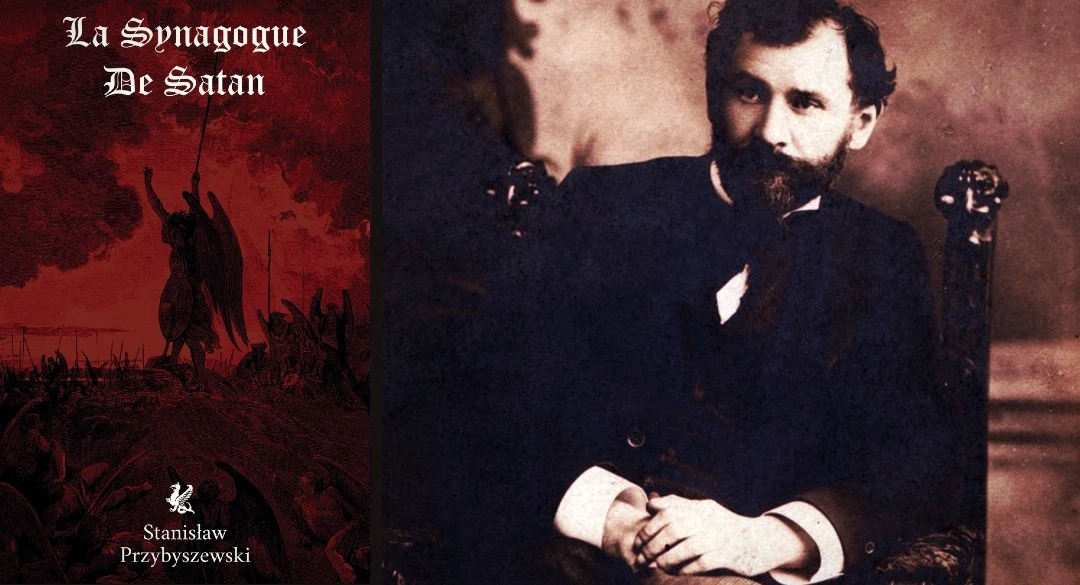
In 1897, Bejischewski published his most famous work on the subject: 'The Synagogue of Satan: Its Origin, Organization, and Current Significance' (Die Synagoge des Satan: Ihre Entstehung, Einrichtung und jetzige Bedeutung).
The text first appeared in two parts in the magazine Die Kritik before being released as a standalone book. It explores witches and the satanic sabbath, black magic, and rituals associated with devil worship ,but it shouldn’t be read today as a strictly accurate historical study.
His main significance lies in the philosophy he builds around the figure of the devil, presenting readers with a struggle between two forces:
The force of order, law, and stability versus the force of change, instinct, and rebellion. In this duality, the devil aligns with the latter.
Here, the devil shifts from a religious character to a philosophical concept. This is why Przybyszewski holds an important place in the history of modern Satanism; he moved beyond the romantic use of the devil as a literary figure and came close to making him the center of a declared intellectual identity.
The Berlin Circle
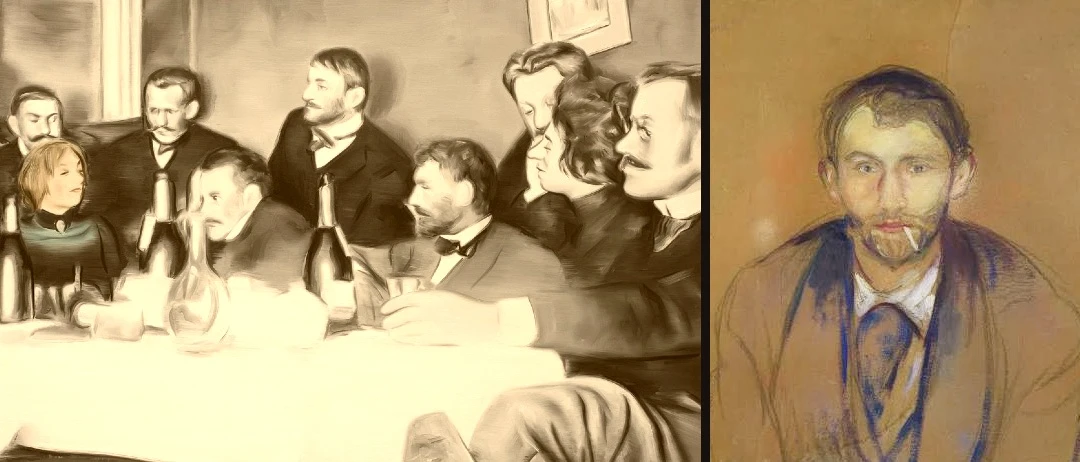
During his time in Berlin, Przybyszewski joined the bohemian circle that gathered at the "Zum schwarzen Ferkel" (The Little Black Pig) tavern, where he met writers and artists such as August Strindberg, Edvard Munch, and Dagny Juel.
He was known for his passionate performances of Chopin, as well as his ideas about art, sexuality, and the devil. He was also among the first to champion Munch's art. However, the real significance of this period lies less in his relationship with Munch and more in the intellectual environment that shaped him:
A world where modernity mingled with occultism, psychology with art, sexuality with philosophy, and the quest for freedom with a desire to shatter social morals.
Woman, Witch, and Desire
Women occupy a highly complex place in Przybyszewski's writings. At times, they appear as seductive, destructive figures who drain men and drive them to obsession, a reflection of the anxieties common in late nineteenth-century literature about sexually liberated women.
But within his worldview, the picture becomes more ambiguous. If rebellion, instinct, and even 'evil' can have positive meanings, then the witch or rebellious woman is not just a symbol of corruption, but also a force that resists submission.
This is why his world is haunted by a recurring triad: woman, sexuality, and the devil.
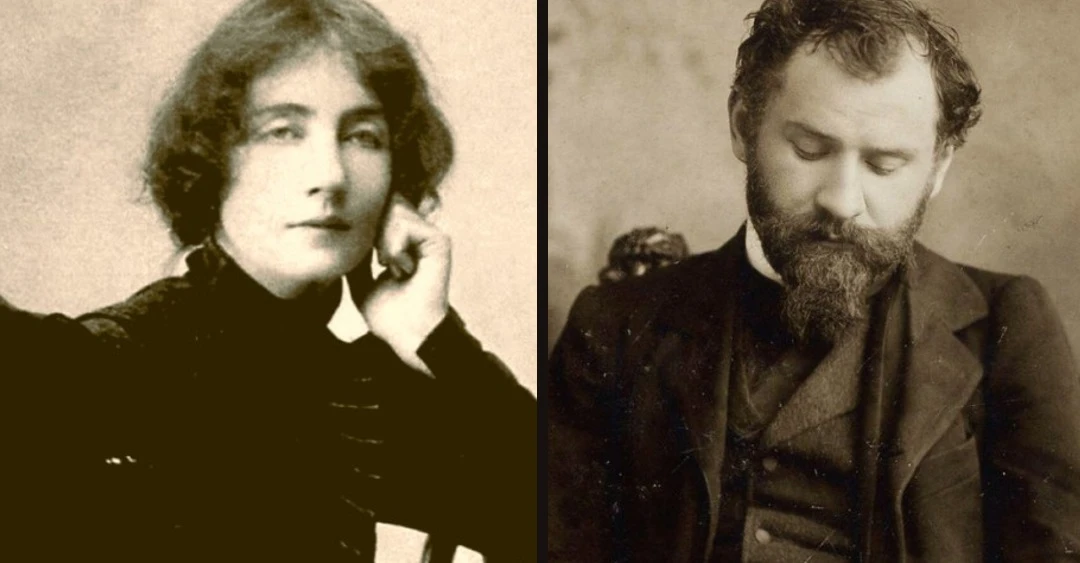
Three manifestations of a power that civilization tries, and often fails to control. His personal life was no exception; he was known for his numerous and tumultuous romantic affairs. This eroticism was not confined to his books: Przybyszewski's love life was chaotic and entangled. From 1891, he was involved with Marta Foerder, with whom he had three children, but around the same time, he also married the Norwegian Dagny Juel in 1893.
Marta's story ended in tragedy. On June 9, 1896, she died while pregnant for the fourth time. According to official Polish biographies, she took her own life after Przybyszewski abandoned her and left her without adequate financial support. Her death cast suspicion on him to the extent that he was detained in Berlin for about two weeks for questioning before being released. However, later research suggested her death may have resulted from an infection following a secret abortion, so some details remain historically debated.
This was not the last tragedy in his love life. His wife Dagny Juel was also killed in 1901, shot by a man she was involved with, who then took his own life. The tangled relationships, deaths, and scandals surrounding him contributed to his reputation as a 'cursed writer,' making it seem at times as if his personal life was an extension of his literary world, filled with desire, obsession, and destruction.
Was he a sorcerer?
It's important to distinguish between the historical Przybyszewski and the legend that grew around him. His interest in magic, the occult, and Satanism is well documented, but as far as we know, he was not the leader of any organized magical group, nor is there strong evidence that he performed rituals or secret ceremonies like those later associated with him. Aleister Crowley and others.
He didn’t need any embellishments to seem unusual, he was a writer who turned the devil into a philosophy, desire into metaphysics, and instinct into a key to understanding humanity.
Was he truly a Satanist?
It’s fair to say that part of Przybyszewski’s persona was deliberately theatrical; he lived in an era when rebellion and shock were central to the decadent literary movement.
But it’s hard to see his fascination with the devil as just a passing literary pose. He returned to the theme in several works, including 'Satans Kinder' ('Children of Satan') and 'The Synagogue of Satan,' along with other writings where ideas of desire, rebellion, and instinct recur.
That’s why some scholars argue his thinking was coherent enough to be considered an early form of 'modern Satanism,' not just a literary metaphor. Still, his Satanism was very much a product of its time: the late nineteenth century, when the ideas of Nietzsche, Darwin, Schopenhauer, occultism, sexual liberation, and modern art were all colliding.
Before Anton LaVey
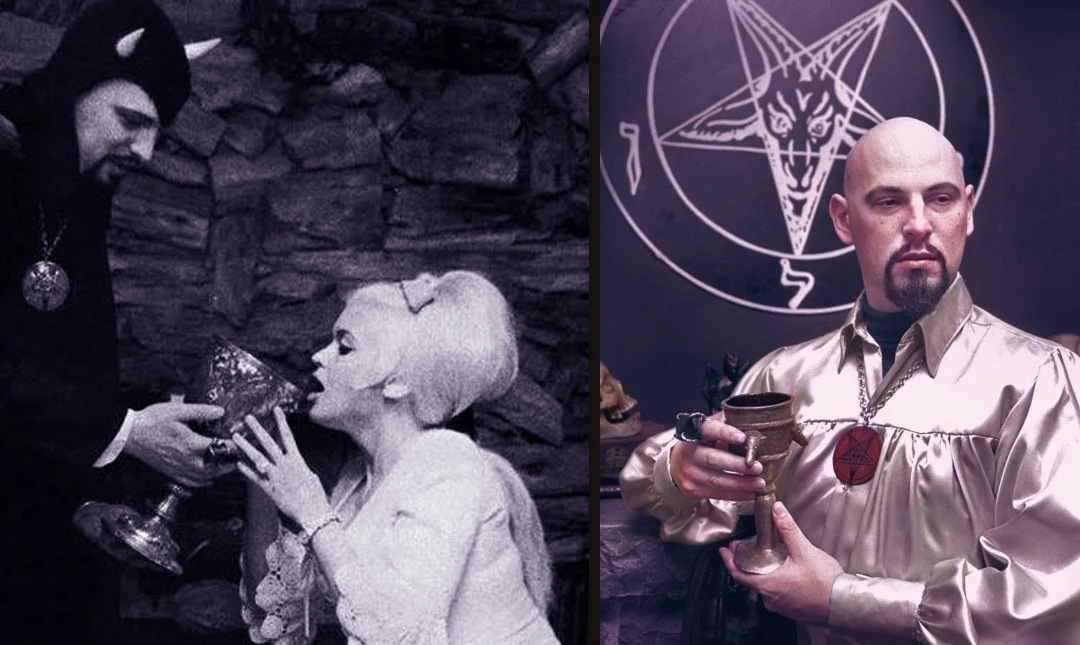
'The Synagogue of Satan' was published in 1897, while Anton LaVey founded the Church of Satan in 1966—a gap of nearly seventy years. This doesn’t mean Przybyszewski was 'the first LaVey,' nor is there any proven direct influence between them, and their approaches to Satanism were not identical.
But the historical significance is clear: Przybyszewski emerged at a very early stage in the shift from the devil as a literary symbol to the devil as a public intellectual identity.
That’s why studies on the history of modern Satanism list his name among the roots that predate the organized movements of the twentieth century.
The Devil Within
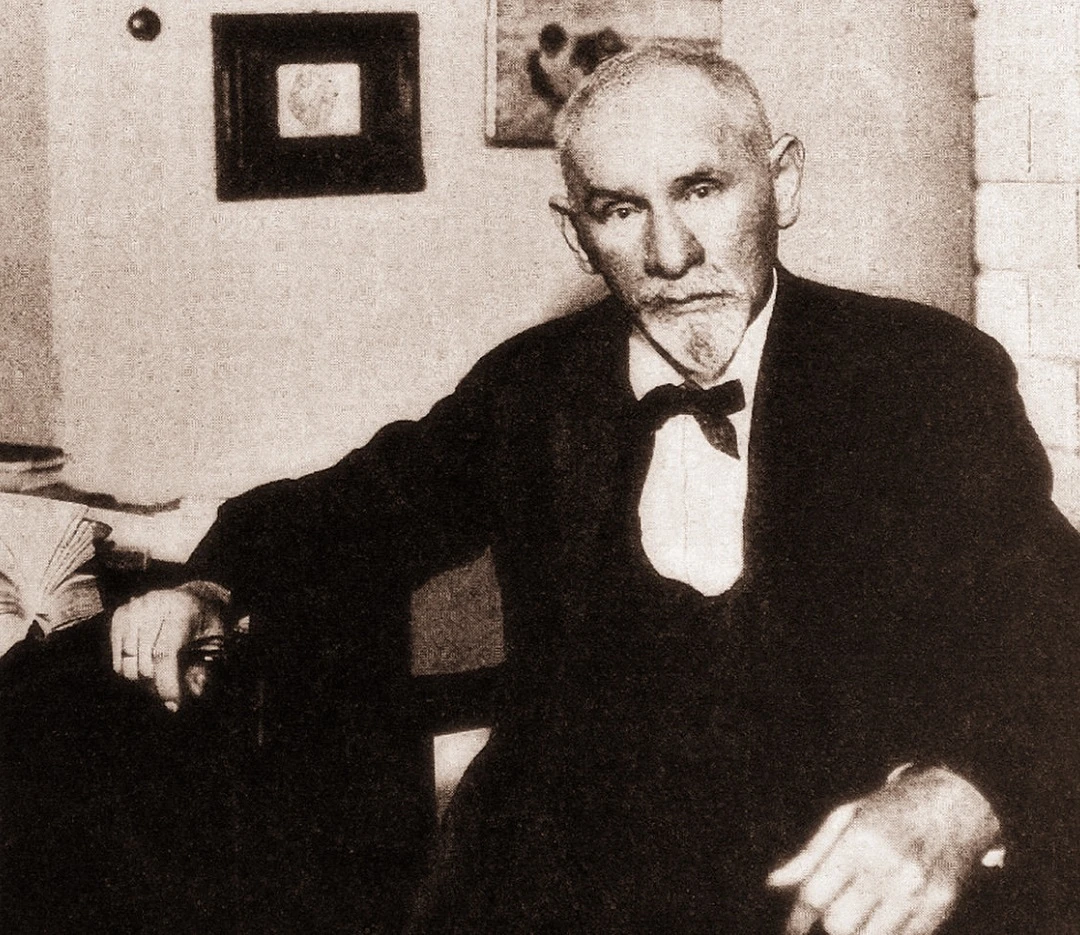
Stanisław Przybyszewski died in 1927, and his name faded outside Poland and European literary circles, while later figures like Aleister Crowley and Anton LaVey became more prominent in popular culture. However, renewed interest in the history of modern Satanism has brought some attention back to him. The man who published 'The Synagogue of Satan' nearly seventy years before the Church of Satan wasn’t just searching for a dark being outside humanity, he was looking for something closer: the desires we hide, the instincts we try to suppress, and the rebellion that society fears.
He explored that side of ourselves we’re quick to call 'evil' instead of admitting it’s part of human nature. Perhaps what truly set Przybyszewski apart was that he didn’t seek the devil in some hidden world, but rather tried to find him deep within the human soul.
About the Author