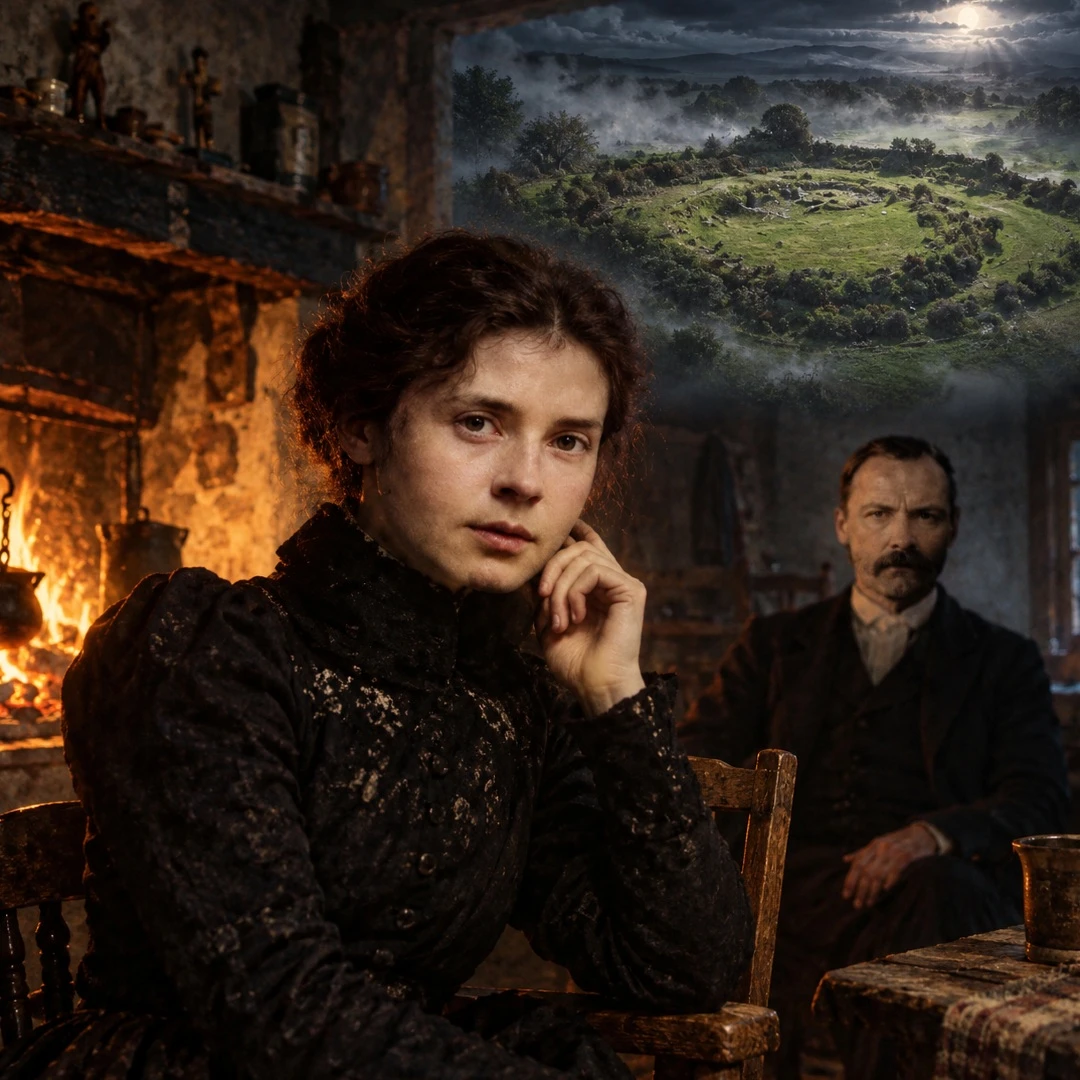
On a cold night in March 1895, several relatives gathered inside a small house in a remote Irish village surrounded by fields and hills. Bridget Cleary had spent days bedridden with illness, but her husband Michael no longer believed she was the woman he had married eight years earlier. He had become convinced that fairies had kidnapped his real wife and left behind a sinister creature in her place.
No amount of pleading or repeated assurances of her identity could change his mind. The house became the scene of bizarre rituals, where the sick woman was forced to drink herbal concoctions, insulted, and threatened with fire. Some relatives participated in these acts, while others were powerless to stop them.
In the end, Michael set his wife's body on fire, believing this would drive out the imposter and force the fairies to return his real wife from their hidden world.
This was not just a rural Irish legend told around the hearth, but a real crime that took place on the night of March 15–16, 1895, in Ballyvadlea, County Tipperary, Ireland. The case was documented by police investigations and court testimonies, and it shocked the public and made headlines around the world.
But what could make a man believe his wife was no longer human? Was the belief in 'changelings' truly behind the crime, or were there other motives at play?
An Independent Woman in a Conservative Rural Community
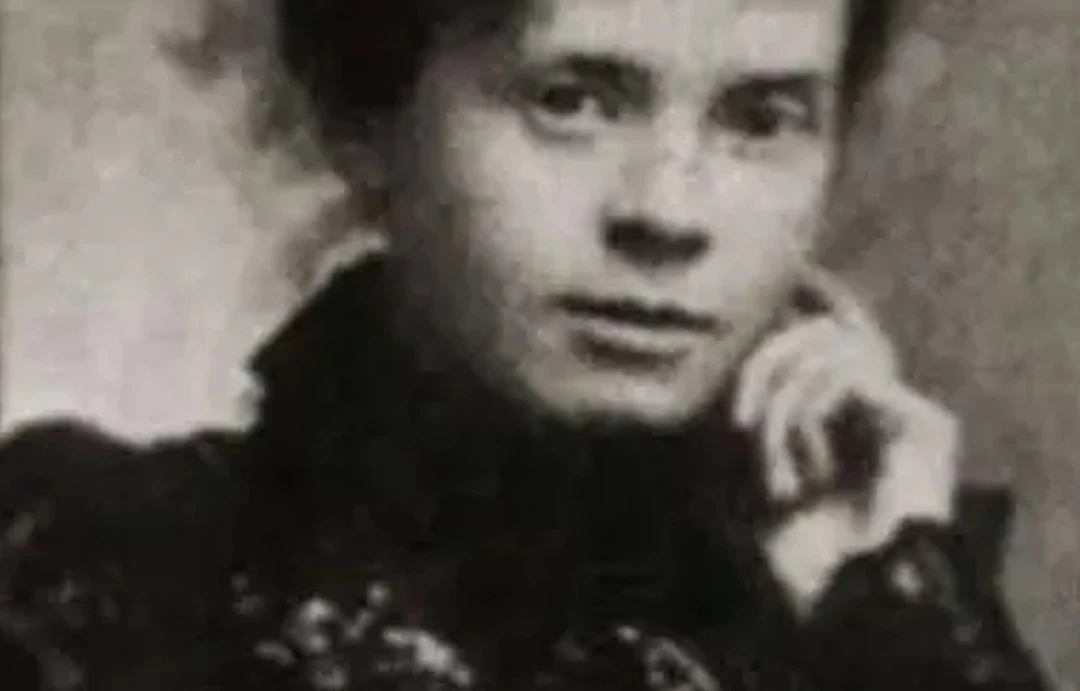
Bridget Boland was born in Ballyvadlea, likely in 1867, though some records and contemporary newspapers reported she was 26 at the time of her death.
She grew up in a modest family. Her father, Patrick Boland, worked as a farm laborer. Bridget attended a school run by the Sisters of Mercy in Drangan and later trained as a dressmaker.
In August 1887, she married Michael Cleary, a cooper by trade. During the early years of their marriage, Michael worked in Clonmel while Bridget lived with her parents and helped care for her ailing mother. This arrangement gave her an unusual degree of economic independence for a woman in her rural community, she earned money from dressmaking and selling eggs from her own chickens, building a small business for herself.
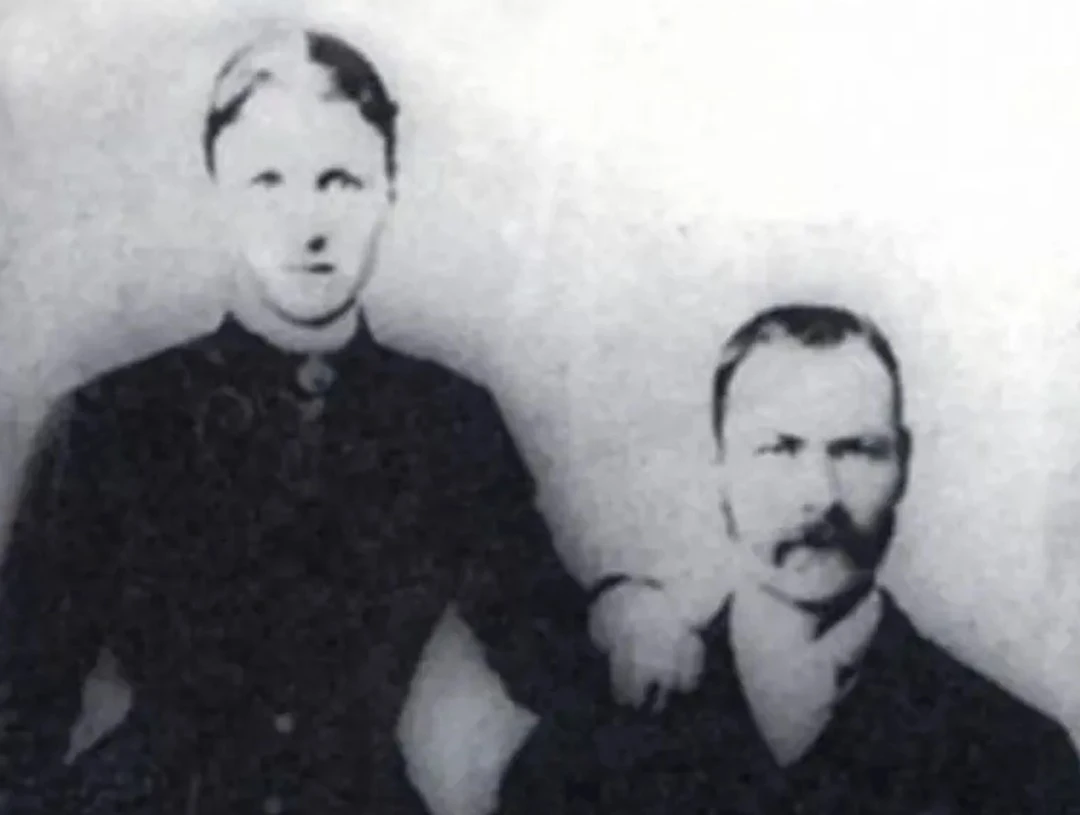
In the early 1890s, the couple moved into a new workers’ cottage built under Irish housing laws of the time, with Bridget’s father listed as the official tenant. The house was far from luxurious, but it offered a better standard of living than many of their neighbors.
Bridget took pride in her appearance and was known for her independent spirit. By 1895, the couple was better off than many families around them, though they had not had children in eight years of marriage.
Their unique situation also drew attention, and perhaps some suspicion or envy. Bridget’s friendship with William Simpson, a neighboring farm manager, sparked rumors of an affair, though there is no historical evidence to support this.
No one could have predicted that a simple illness would expose the dark side of the village’s enduring folk beliefs.
The Onset of Illness: Did the Fairies Take Her?
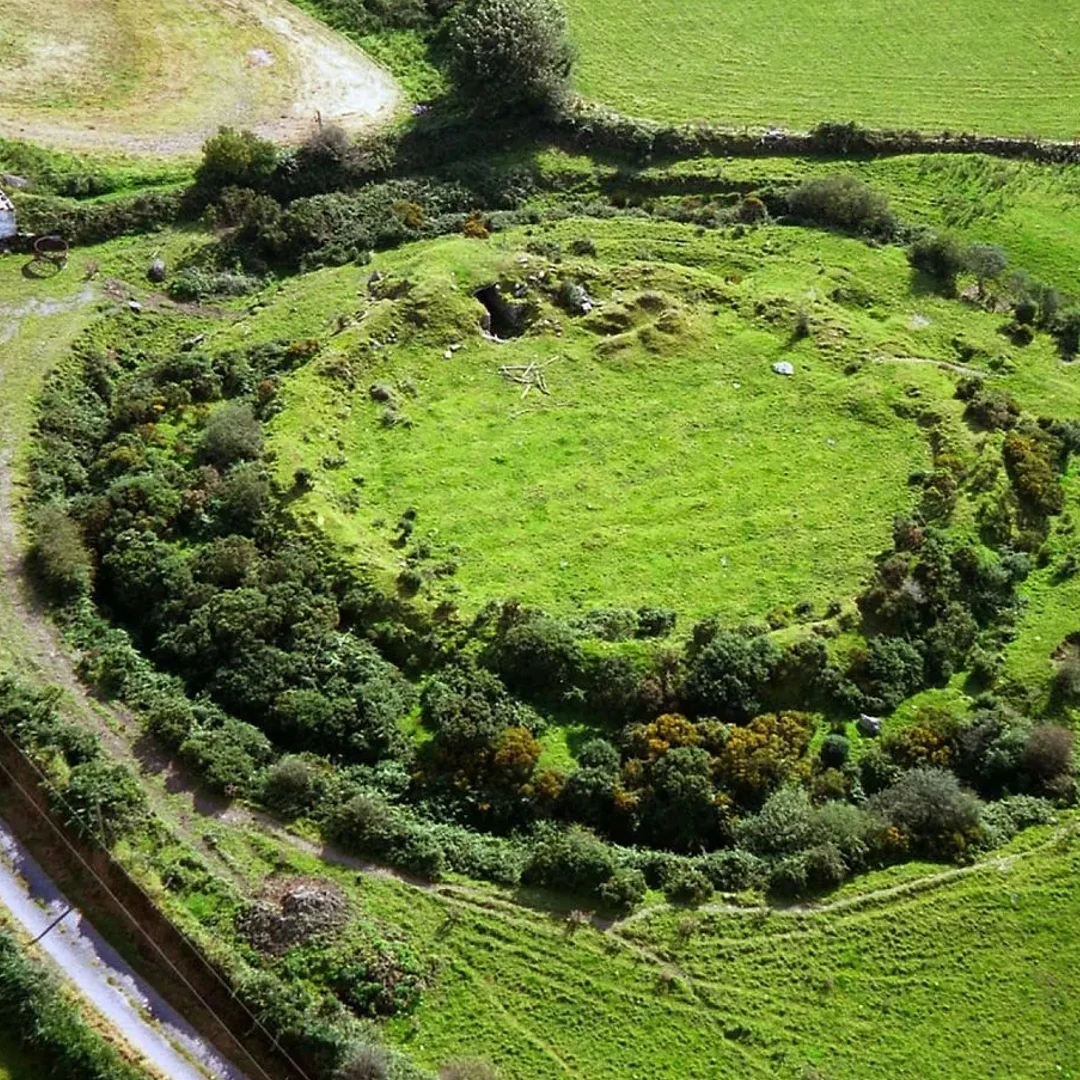
Around March 4, 1895, Bridget went out to sell eggs, passing through Kylenagranagh, an area near one of the ancient ringforts associated with fairy folklore.
The weather was bitterly cold, and it seems she was caught in the rain and chill. Soon after, she began to suffer from a cough, fever, and general weakness. Her condition worsened over the following days, leaving her bedridden.
Under normal circumstances, her illness might have been seen as a respiratory infection. But some villagers turned to folklore for answers. The places Bridget had visited were not just old ruins in their eyes—they were believed to be inhabited by supernatural beings known as fairies, who, according to Irish tradition, could abduct people and replace them with one of their own kind.
One of the main figures fueling these suspicions was a man named John Dunne—also known as Jack Dunne—a relative of Bridget’s father. In his fifties, Dunne was well known for his knowledge of local folklore and superstitions. According to historical accounts, Dunne looked at Bridget’s worsening condition and insisted that the woman in bed was not the real Bridget, but a changeling left behind by the fairies.
This idea took hold in Michael’s mind and soon became his main explanation for what had happened to his wife. Both he and her father had already sought medical and spiritual help, calling in Dr. William Crean from the town of Fethard, as well as Father Cornelius Ryan.
However, the doctor didn’t visit for several days. When he finally examined Bridget on March 13, his report noted that she was suffering from bronchitis along with severe nervous agitation.
Michael was not convinced by this diagnosis. He began searching for a remedy that would not treat an illness, but rather target the supernatural being he believed had replaced his wife.
The Folk Healer and the Fairy Changeling Ritual
Michael turned to a man named Denis Ganey, sometimes spelled Gahan. who was known locally for his folk healing practices, including cases believed to involve fairies. Ganey gave him a mixture of herbs to be blended with fresh milk, hoping that drinking it would free the patient from the supposed supernatural influence.
On March 14, 1895, Bridget’s room became the scene of a harsh ritual involving her husband, some relatives, and neighbors. Weak and exhausted from illness, Bridget was held down on the bed while Michael tried to force her to swallow the bitter mixture. Despite her protests, they persisted, with Michael repeatedly asking her a strange question:
"Are you Bridget Boland, wife of Michael Cleary, in the name of God?"
She was expected to confirm her identity over and over, as if repeating her name in a religious formula would reveal the true nature of the person before them. According to the testimony of her cousin Johanna Burke, Bridget answered twice but did not respond as they wanted the third time. The men then carried her to the fireplace, holding her over the hot embers to force her to speak. The ritual didn’t stop there: they poured urine on her, used fire, and threatened to burn her—actions rooted in folk beliefs that fairies were repelled by certain substances and objects. Michael and his helpers believed that pressuring the changeling would either make it confess or leave Bridget’s body.
Eventually, Bridget again stated her name and family, and she was returned to bed. Some present believed the ritual had worked and that she was beginning to recover.
But the calm didn’t last.
The Final Night: This Is Not My Wife
On the evening of Friday, March 15, 1895, several family members and relatives gathered once more at the Cleary home. Bridget seemed better than the day before, she was able to get out of bed and sit in the kitchen. However, the tension between her and Michael remained. He no longer treated her as a sick woman in need of care, but as a being that needed to be tested again.
According to Johanna Burke’s testimony, later one of the key accounts at trial—the conversation turned again to fairies. Bridget accused her husband of trying to portray her as one of them, and during the argument, she mentioned that Michael’s mother had once held fairy beliefs herself. This only fueled Michael’s anger. He brought out three pieces of bread and jam, insisting that Bridget eat them and repeat her identity three times before she could have tea. She ate two pieces but did not respond as he wanted the third time. At that point, he threw her to the ground, pinned her down, and tried to force-feed her, then grabbed a burning stick from the fireplace and held it close to her face.
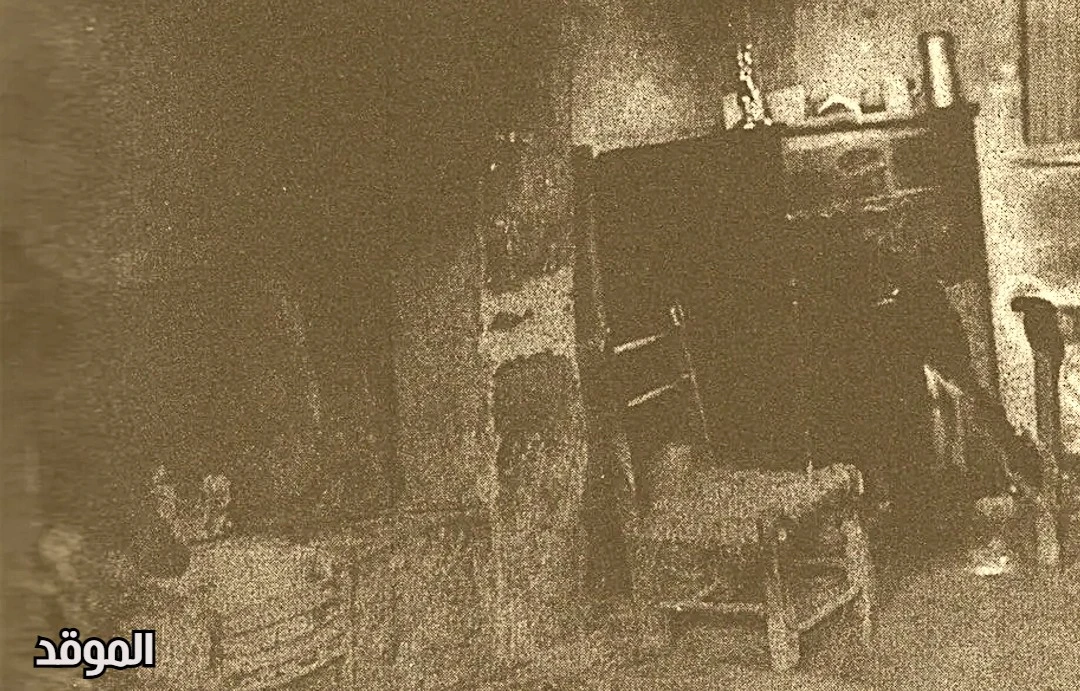
The confrontation escalated into deadly violence. Michael set his wife’s clothes on fire and poured lamp oil over her, causing her body to ignite. According to trial testimony, he continued to insist that the woman burning before him was not his wife, but a deceitful being sent by the fairies. Witnesses recalled him saying something to the effect of:
"That is not my wife... I will not keep an old witch in place of my wife. I will get my real wife back."
He believed that burning the changeling would force the fairies to release the real Bridget. Some family members in the house panicked, but no one was able to save her. Bridget Cleary’s life ended in her own kitchen, at the hands of those who should have been closest to her.
The Husband Awaits His Wife’s Return on a White Horse
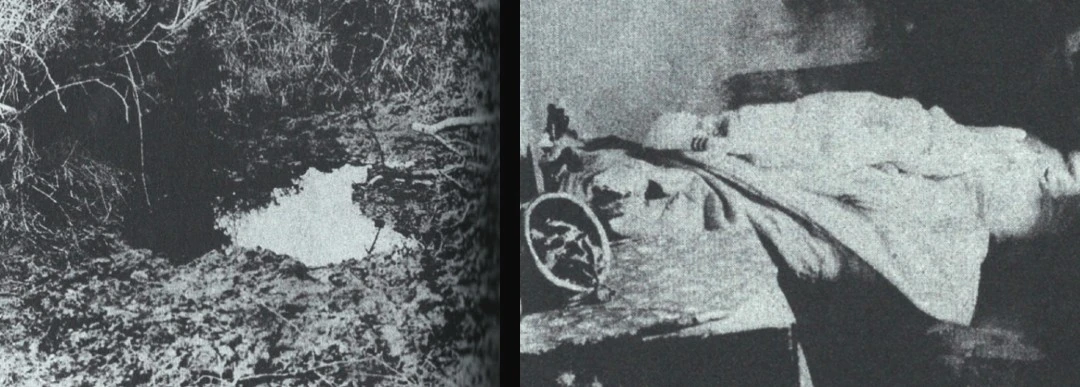
After the incident, Michael didn't immediately report what had happened to the authorities. Instead, with the help of Bridget's relative Patrick Kennedy, he moved her body and buried it in a shallow grave in a field near their home. As word of her disappearance spread through the village, some family members claimed to have seen her leaving the house in her nightclothes, walking across the fields with two men. But Michael's most unusual behavior came in the days that followed: he and several others went to the ringfort at Killenagran, a site locally believed to be inhabited by fairies, where he waited for his 'real' wife to return.
According to local folklore, a person taken by the fairies might return from their world riding a white horse, accompanied by a procession of supernatural beings. If loved ones managed to rescue them at just the right moment, the person could remain in the human world. It's unclear whether Michael truly believed his wife would come back, or if he was simply maintaining this story after hiding her body. Either way, his actions—as recorded in historical sources—show just how much the legend influenced the events surrounding the crime. It wasn't long before suspicions about Bridget's disappearance began to grow.
News of the case reached the Royal Irish Constabulary, prompting an investigation led by Inspector Alfred Wansbrough. On March 22, 1895, about a week after Bridget's death, police discovered her burned body in a shallow grave. The local tale of a woman taken by fairies had now become a criminal murder case.
A Trial That Shook Ireland
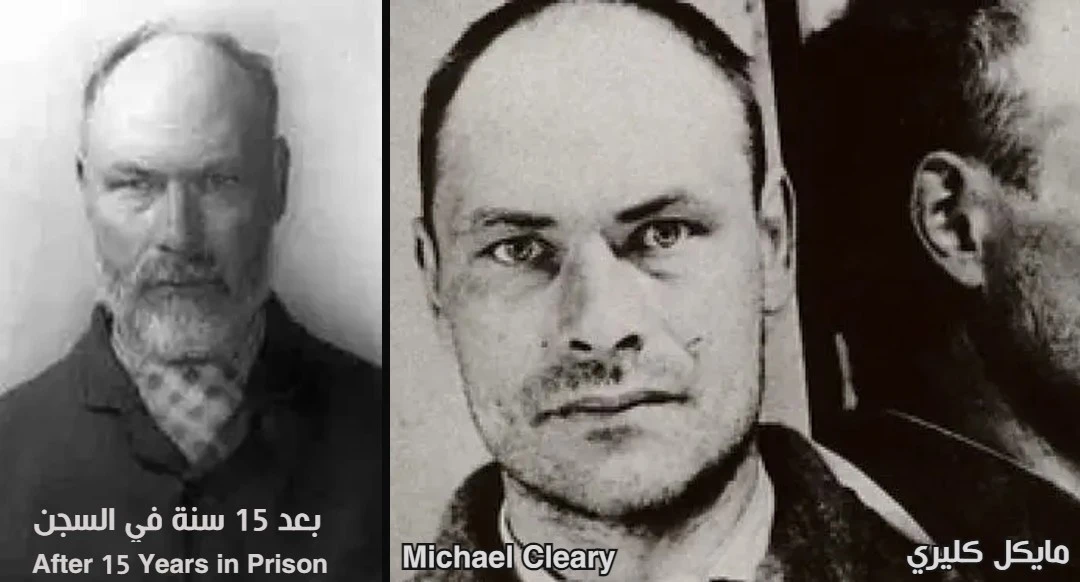
Michael and several others involved in the assault on Bridget or in concealing the truth about her death were arrested and brought to trial. In July 1895, their trial began in Clonmel, drawing widespread attention from the press and public. Joanna Burke's testimony was a key part of the prosecution's case, revealing details of the rituals and torture Bridget endured. Michael was convicted of manslaughter, the charge having been reduced from murder, and sentenced to twenty years of hard labor. Seven others were also found guilty of crimes related to Bridget's abuse, receiving various prison sentences.
The judge condemned the cruelty and lack of moral sense shown by several people involved—not just the husband. Michael served about fifteen years in prison before being released in 1910, after which he reportedly emigrated to Canada.
Bridget was buried in Cloneen Cemetery on March 27, 1895, in a nighttime funeral overseen by police, while several of her relatives were still in custody. The press dubbed her 'the last witch burned in Ireland,' even though she was neither a witch nor tried for witchcraft. She was, in fact, the victim of a belief that fairies had replaced her with another being.
The crime also became a political tool. At a time when Ireland was fiercely debating home rule, some anti-independence newspapers used the case to portray Irish society as backward and superstitious. Other papers argued that this tragedy did not represent the entire community. In this way, the story grew beyond the small village, becoming part of a larger struggle over Irish culture and identity.
Where Does the Changeling Belief Come From?
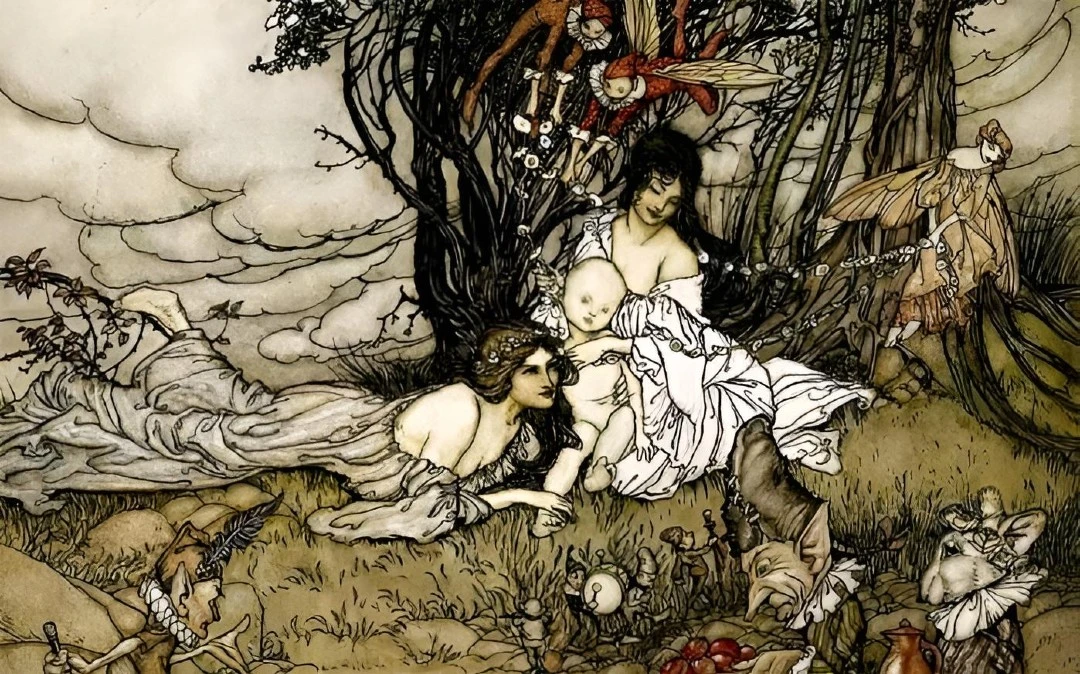
To understand what happened to Bridget, it's important to look at one of the most unsettling beliefs in Irish and European folklore: the changeling. According to this tradition, fairies could abduct a human and leave a substitute in their place—someone who looked the same on the outside, but whose behavior, nature, or physical condition was somehow different.
In Irish tradition, fairies are known as Aos Sí, which roughly translates to 'the people of the hills' or 'the hidden folk.' Some locals refer to them more politely as The Good People, hoping to avoid offending them by using their true name.
These fairies weren't necessarily the small, gentle, winged creatures found in modern tales. In ancient Irish folklore, they were sometimes described as human-like beings living in a parallel world, possessing unusual powers. Depending on how people interacted with them, they could either help or harm humans.
Some rural communities believed these beings lived in ancient ringforts—known as 'Fairy Forts'—and around old trees, especially hawthorns. These places were treated with a mix of respect and fear, as disturbing or damaging them was thought by some to provoke their hidden inhabitants.
Why did fairies swap humans?
Folklore offered various reasons for these abductions. Some stories claimed that fairies chose healthy, beautiful children or adults they wanted to bring into their world. In other cases, they kidnapped grown women, or sometimes men, and left behind a sickly, weak, or elderly member of their own kind, disguised to look like the missing person. This substitute might cry excessively, speak little, become irritable, lose their appetite, or be unable to move as the original person did.
In the absence of accurate medical explanations, some older communities interpreted sudden illness, behavioral changes, or developmental and physical disabilities as signs of a fairy swap. This belief reveals a tragic side to how people tried to make sense of the unknown or frightening: someone in need of help could end up being treated as a hidden enemy.
Why was fire used to drive out the changeling?
Some followers of this tradition believed that fairies feared iron, fire, salt, and certain Christian symbols. Folk remedies included placing iron objects near children, using holy water, or performing rituals meant to reveal the changeling and force it to leave.
In some stories, threatening the changeling with fire was supposed to compel the fairies to return the abducted person, rather than actually kill the substitute. The problem is that when such beliefs turned into real actions, they could justify harming a real person—especially if pain or lack of response were seen as further proof of something supernatural.
This is the cycle that Bridget found herself trapped in: the more she resisted the rituals and the sicker she became, the more those convinced by the changeling story saw her resistance as proof that she wasn't the real woman.
Did he believe in fairies, or did he want to get rid of his wife?
It's impossible to determine Michael Cleary's motives based solely on historical evidence, but researchers have suggested several possible explanations worth considering:
1- Folk beliefs as explanations for illness
Michael grew up in a community where fairy lore was still part of the oral culture, even as education, medicine, and modern institutions spread. His wife's illness coincided with local stories about people being taken near ancient forts. John Dunne reinforced the idea that the sick woman wasn't really Bridget, and the lack of medical improvement may have made this explanation more convincing to Michael.
His later trip to the fort and waiting for his wife to return on a white horse matches details from folk tales, suggesting he may have genuinely believed in the legend. However, this doesn't necessarily mean that belief was his only motive.
2- Social tensions and women's independence
Irish historian Angela Bourke, in her 1999 book The Burning of Bridget Cleary: A True Story, explored how the crime was also shaped by the social and cultural context of Bridget's life.
Bridget was relatively well-educated, had her own income, cared about her appearance, and had no children—all traits that set her apart from traditional expectations for married women in her community. Rumors about her relationship with William Simpson were also circulating in the village. This raises the question of whether belief in fairies provided a cultural cover for pre-existing hostility or a desire to control her. Still, this remains a possible interpretation, not a conclusion reached by the court.
It's important not to assume that Michael was jealous of her success or deliberately planned to get rid of her from the start without direct evidence to support that.
3 - The Psychological Interpretation
In 2006, researchers Helen O'Connell and Patrick G. Doyle published a study in the Irish Journal of Medical Science titled:
"The Burning of Bridget Cleary: Psychological Features of a Tragic Story"
The Burning of Bridget Cleary: Psychiatric Aspects of a Tragic Tale
The study explored the possibility that Michael and some of the others involved in the crime were influenced by delusional beliefs, specifically referencing Capgras Syndrome and the phenomenon of shared delusions among close-knit groups.
Capgras Syndrome is a condition where someone becomes convinced that a person they know well—such as a family member or spouse—has been replaced by an identical impostor. Even though the person looks the same, the sufferer feels certain they are not the real individual. This closely mirrors Michael's belief that the woman before him was not his wife Bridget, but some other being in her form. Shared delusional disorder refers to the spread or reinforcement of a false belief among people with close relationships, especially in situations of isolation or stress.
However, similarities between historical events and modern psychological disorders are not enough to diagnose someone more than a century after their death, especially without detailed medical records. Belief in the idea of a 'changeling' was also a well-known part of cultural tradition, so not everyone who held such beliefs can be considered mentally ill. The psychological explanation remains an attempt to understand certain aspects of the case, rather than a definitive answer to what happened.
Why didn’t her family save her?
One of the most disturbing aspects of the case is that Bridget was not alone with her husband during the abuse. Several relatives and neighbors were present for some of the rituals, with some helping to restrain her or force her to take herbal mixtures, while others witnessed what happened or heard about it.
The problem wasn’t just that one person believed his wife had been replaced; a group of people accepted this belief as a possible explanation for her condition. Factors like the husband's authority in the household, fear of his violent behavior, and shared beliefs may all have contributed to the bystanders’ inability to intervene. Still, these factors do not absolve those involved of responsibility, nor do they fully explain why the rituals were allowed to continue despite the obvious danger to Bridget’s life.
Perhaps the most dangerous turning point came when some present stopped seeing Bridget as a sick woman and began to view her as a deceptive being undeserving of normal moral protection. When someone is stripped of their true identity in the eyes of others, harming them can be rationalized as self-defense or an attempt to save someone else.
Was Bridget an exceptional victim?
Although this case is well-known, belief in changelings was not unique to it, nor was it limited to Ireland. Similar stories have been found throughout Europe, especially in British and Scandinavian folklore, describing children or adults abducted by supernatural beings and replaced with impostors.
In some historical cases, sick or disabled children were subjected to harsh treatment after their condition was interpreted as a sign they were not their family's real children.
However, it’s important to distinguish between the widespread nature of folk tales and the actual occurrence of violent practices associated with them. Not everyone who believed in fairies engaged in harmful rituals, and beliefs and responses varied from region to region.
This is what makes the Bridget Cleary case so significant: it’s not just an example of an old legend, but a relatively rare instance where we have detailed court records showing how myth was used to justify violence.
A Song That Remained After Her Passing
Bridget’s story became part of Irish popular memory, and her name is linked to a folk rhyme still cited in folklore sources:
? Are you a witch, or are you a fairy"
" ? Or are you the wife of Michael Cleary
Which means:Are you a witch or a fairy?
Or are you Michael Cleary’s wife? "
No one knows exactly when this rhyme first appeared, but it shows how a tragedy became deeply rooted in popular memory. The irony is that the question Michael Cleary kept asking Bridget—a question that put her life in danger—became, after her death, a refrain repeated by others.
Changeling (film)
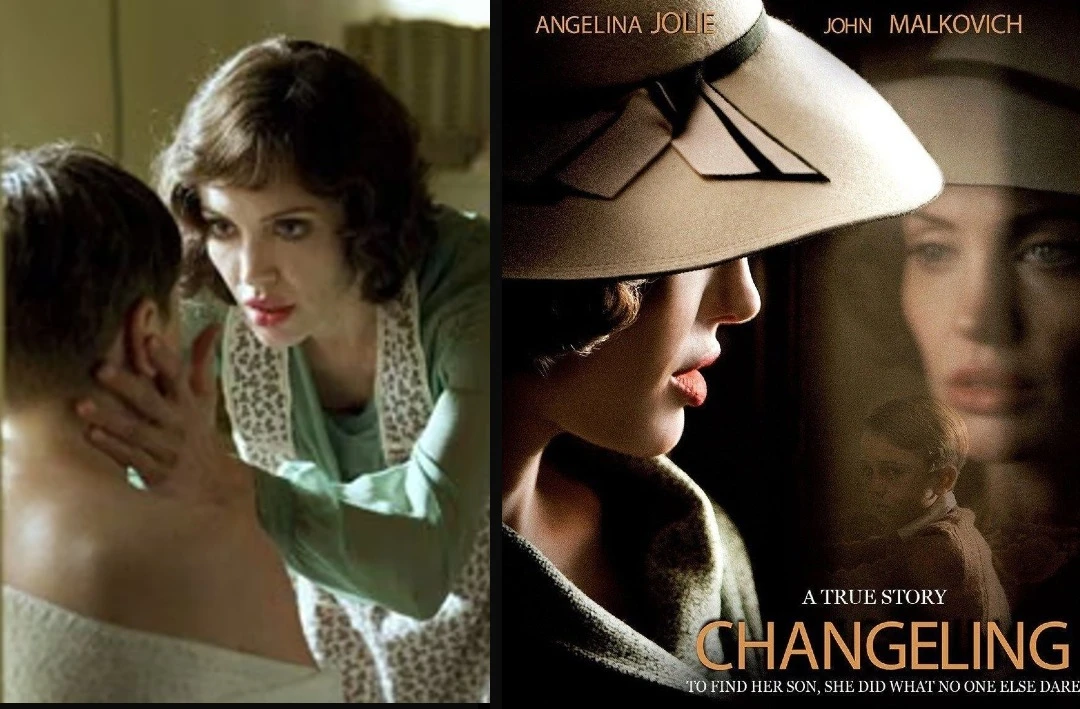
The idea of human replacement has been explored in cinema in Changeling (film) Released in 2008, directed by Clint Eastwood and starring Angelina Jolie, this film is based on true events that took place in Los Angeles in 1928. The story follows Christine Collins, a mother whose child goes missing. Months later, the police return a boy to her, but she insists he isn’t her son. Her refusal leads to intense pressure and eventually her confinement in a psychiatric institution. While the film doesn’t involve fairies, its title borrows the concept of the 'changeling' from European folklore—the idea of a person being replaced by an imposter. The twist is that, in this case, the mother was right to deny the boy’s identity, whereas Michael Cleary’s belief that his wife had been replaced led to her death.
When belief becomes a death sentence
The case of Bridget Cleary doesn’t prove the existence of fairies or their ability to abduct and replace people. Instead, it stands as a well-documented example of how supernatural beliefs can shape human behavior when they become unquestioned convictions.
Bridget was a real woman suffering from illness, but her husband and others around her reinterpreted her condition through the lens of old stories about abduction and replacement. Ironically, every method they used to test or 'recover' her identity only added to her suffering, while the belief itself went unchallenged. When her body was found, it was clear that the woman who had been burned was not a supernatural substitute, but Bridget herself.
While belief in fairies helps explain the background of the incident, it doesn’t fully account for the motives of everyone involved. Marital tensions, social pressures, and psychological factors may also have played a role in the crime.
The real mystery in this story isn’t where Bridget disappeared to, but how her very existence came to be denied—even as she pleaded with her closest loved ones to believe she was still herself.
About the Author