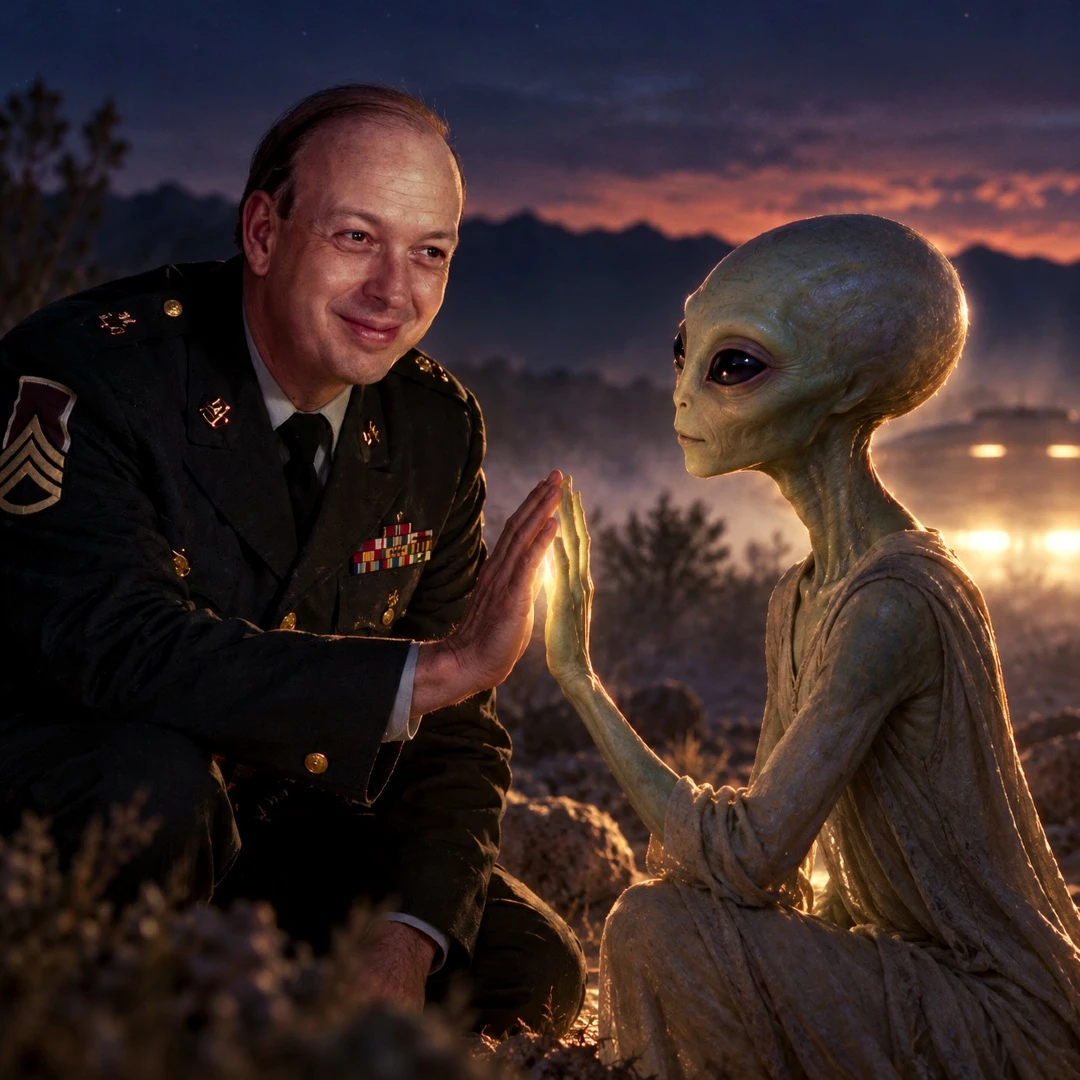
During one of his visits to his late son's grave, retired US Army Sergeant Clifford Stone was praying when something extraordinary happened. He claimed that an extraterrestrial being he had known since childhood, named Korona, asked to pray alongside him. Stone agreed, and the being knelt beside him—a moment that prompted Stone to ask a question he had never considered before: Do beings from other worlds believe in God?
The answer, as Stone recounted, was even stranger than he expected. According to him, Korona's civilization doesn't view the existence of a creator as a matter of faith, but as a scientific fact they have proven. Stone also claimed that this civilization possesses technology that allows them to communicate with the dead, though there are certain forbidden questions about what happens after death.
These statements didn't come from a religious leader or a science fiction author, but from a former US Army sergeant who served for over twenty years and claimed to have participated in secret operations to recover crashed alien craft and interact with non-human entities.
But how credible is Clifford Stone's testimony? Was he truly recounting real experiences, or does his story illustrate the complex intersection of spiritual beliefs and mysterious personal encounters—especially in the wake of losing a child?
The sergeant who claimed to communicate with extraterrestrials
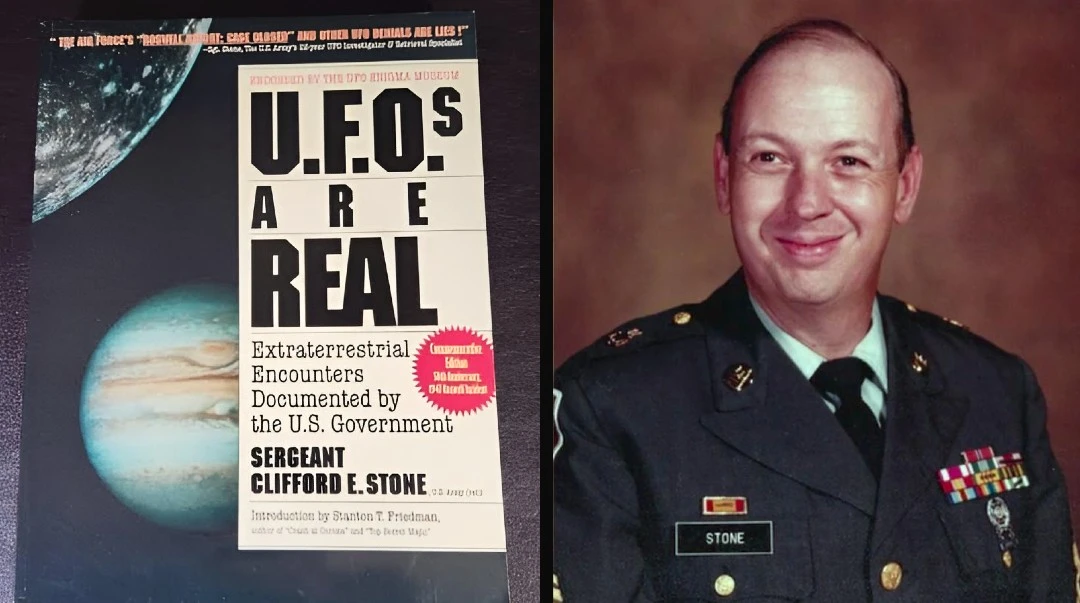
Clifford Earl Stone was born on January 2, 1949, in Portsmouth, Ohio. He joined the US Army in the late 1960s and served for more than two decades before retiring in 1990 with the rank of First Sergeant.
Officially, Stone's military role was administrative and legal. However, he later insisted that this was only the public face of a double life. He claimed he was called in whenever there were incidents involving unidentified flying objects, assisting in recovery operations and interacting with beings found inside or near the craft. Stone said he had an unusual ability to communicate telepathically with these entities, which made him valuable to military authorities as a mediator who could understand their feelings and thoughts without a shared language.
Stone gained particular attention on May 9, 2001, when he spoke at a press conference organized by The Disclosure Project, led by Steven Greer, at the National Press Club in Washington, DC.
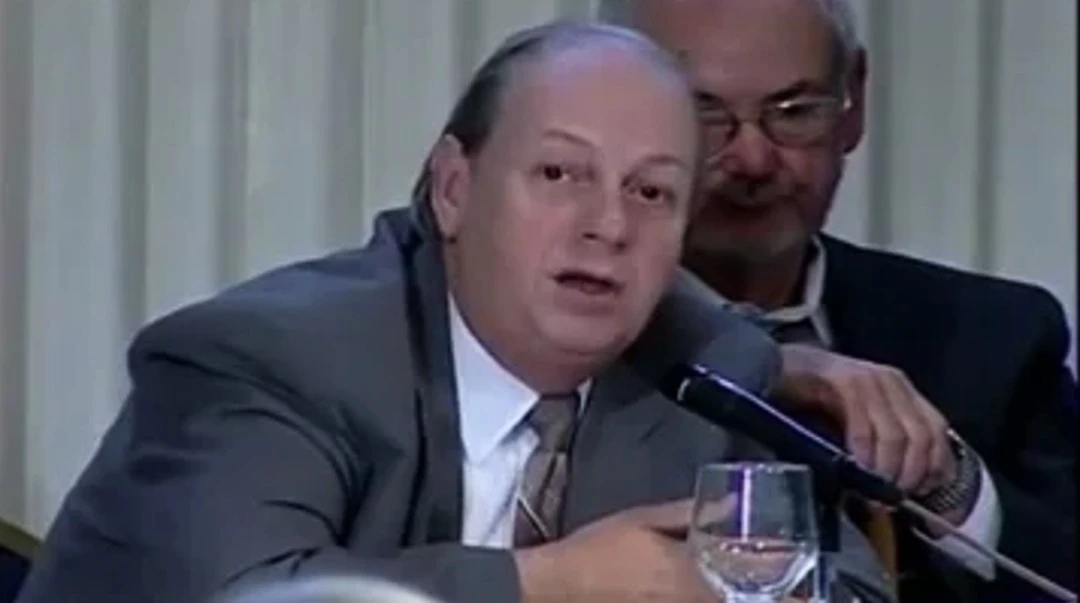
Speaking to reporters, Stone claimed he had seen both living and dead extraterrestrials during recovery missions, and that US authorities had information on 57 different non-human species—some so similar to humans that telling them apart was difficult.
The Washington Post covered his statements at the event, but noted the lack of physical evidence to support his claims.
Despite the controversy his testimony generated, Stone continued to share his experiences well into his later years, insisting that his encounters with these beings began long before his military service.
Korona: The childhood friend who appeared to him
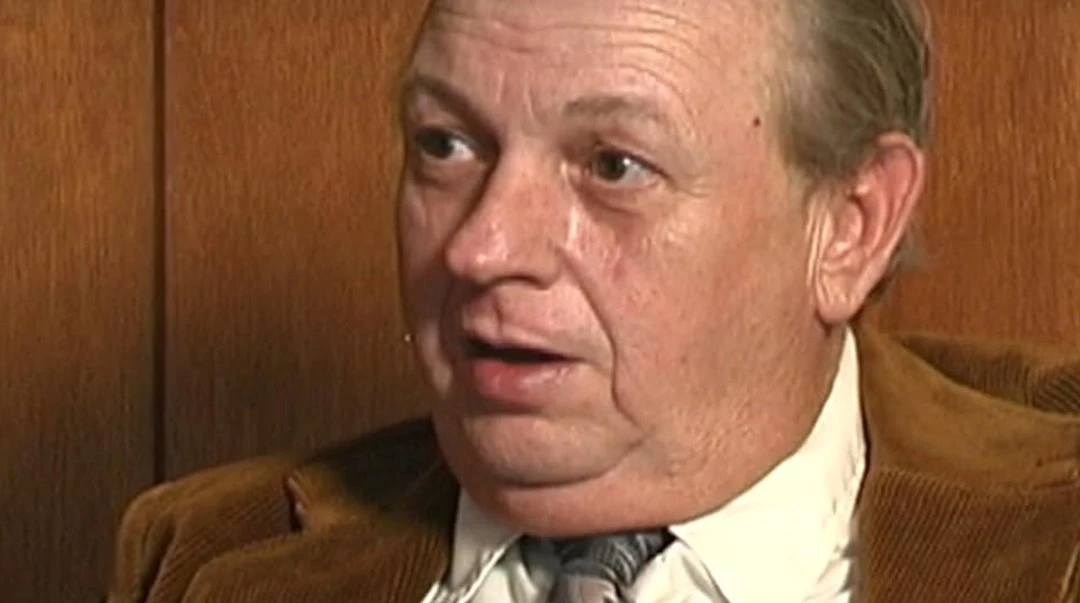
In a video interview with Project Camelot in Roswell in November 2006, Stone revealed that his connection with non-human beings began when he was a young child.
Project Camelot is an independent media and research initiative founded in 2006 by Kerry Cassidy and Bill Ryan. It specializes in video interviews with witnesses, researchers, and individuals who claim to have secret information about UFOs, extraterrestrials, government projects, and paranormal phenomena. Publishing these interviews does not imply verification of their content.
According to the interview, as a child, Clifford Stone often played with companions that others couldn't see. These friends appeared completely real to him and even helped him with his homework at times. He thought their presence was a normal part of childhood, but when he realized others couldn't see them, he began to understand that his experiences were different. The turning point came after a simple incident that ended in tragedy.
One day, young Clifford found a baby bird that had fallen from its nest. He tried to save it by cleaning it with water, not realizing that putting it under the tap could drown it. The chick died in his hands, leaving him devastated and wracked with guilt. During this period, Stone said, one of his invisible friends appeared to him in its true form for the first time.
It wasn't a human child, but a being with pale green skin, unfamiliar features, and large dark eyes. The being introduced itself as Korona, emphasizing that its name was spelled in English.
What stood out was that the being seemed less concerned about the bird’s death and more interested in Stone’s reaction. It kept asking him why he was sad, why he felt so much pain over such a small creature, and why he was crying and trying to hide his tears. Stone interpreted these questions as Corona’s attempt to understand human emotions, especially empathy and the grief that comes from the loss of another living being. According to Stone, their communication took place on a level of thoughts and feelings, allowing each to sense what the other was experiencing. Stone didn’t portray Corona as a messenger warning humanity or as a hostile entity, but rather as a friend and observer studying human nature and trying to understand emotional and social behavior.
He claimed that Corona came from a star system about a hundred light-years from Earth, and that their civilization could cross that distance in just an hour and forty minutes using vehicles that travel through what he described as traversable wormholes , hypothetical shortcuts through spacetime discussed in some theoretical physics models, though there’s no practical evidence they can actually be used for space travel.
The Alien Who Prayed at the Grave
Perhaps the most thought-provoking aspect of Stone’s account centers on his relationship with religion and death, especially after the passing of his son, Robert Francis Stone.
On August 18, 1995, Clifford was working as head of security at a shopping center in Roswell, New Mexico, when he received a report about a motorcycle accident near the entrance.
As the security officer in charge of responding to the incident, he went to the scene and found his son Robert lying on the road next to his motorcycle, already deceased.
The tragedy left a deep mark on him, and he later wrote about it in his 1997 book UFOs Are Real, saying that his son’s death prompted him to reveal information he had planned to keep secret for the rest of his life. Years later, Stone shared another part of his experience, describing what he claimed happened during a visit to his son’s grave.
He said that Corona joined him in prayer, and when Stone asked if Corona’s civilization knew about religion, the response distinguished between religion as a human construct and belief in a creator of the universe. According to Stone, the being explained that religions as humans know them are products of their own history and cultures, but that Corona’s civilization acknowledges the existence of what humans call "God."
Even more striking, Stone attributed to that civilization the belief that their scientific advancement had allowed them to actually prove the existence of a creator, so for them, it was no longer just a matter of faith.
Still, according to Stone, the being never claimed that any particular earthly religion was the sole truth, nor did it ask him to change his beliefs. Instead, it emphasized that everyone is free to worship according to their own convictions.
This raises a crucial question: What kind of science could lead an advanced civilization to prove the existence of a creator? Is it about discovering the origin of the universe, or does it involve some deeper understanding of consciousness and existence?
Stone didn’t offer a clear answer, nor did he describe any scientific experiment or verifiable results. So, what he presented remains just a testimony about an alleged conversation with an unknown being, no matter how intriguing its philosophical implications.
Technology That Enables Communication with the Dead
Stone wasn’t only preoccupied with the existence of a creator; another question, even more personal in light of his tragedy, haunted him: Does human life continue after death?
According to his account, Corona told him that their civilization believes in life after death and possesses advanced means that allow them to communicate with their departed loved ones.
Stone emphasized that, as he understood it, this wasn't about tricks used in séances, but about real technology that these beings could use to establish some form of contact with the dead.
However, this supposed ability comes with strange limitations: there are certain questions about the nature of life after death that cannot be asked. If such questions are raised, the communication ends immediately.
Stone did not clarify who set these restrictions, whether they stem from the technology itself or are rules imposed by that civilization. He also didn't reveal what the forbidden questions were, leaving one of the most important parts of his story shrouded in mystery.
Even more unusual, Stone claimed that these beings personally helped him see his son Robert after his death. In a 2006 interview with Project Camelot, he mentioned a single encounter with his late son, while in another account he spoke of two occasions when he was allowed to see him. He declined to share details, saying those memories were beautiful to him but also deeply painful.
For Stone, the issue became more than just a theory about the survival of consciousness; he connected it to a personal experience that, in his view, briefly reunited him with his lost son.
Do extraterrestrials live among us?
Stone's claims extended to the idea that non-human beings are not just occasional visitors to Earth,some actually live among humans or interact with them regularly. He said that some of these beings look human, while others can communicate with selected individuals from childhood, as he believes happened to him.
Explaining these relationships, he suggested that these civilizations study humans much like researchers study different societies and cultures observing behavior, emotions, beliefs, and motivations. He even claimed that these beings might accompany certain people throughout their lives, forming emotional bonds strong enough to grieve when those individuals die.
However, Stone did not provide independent evidence to confirm the existence of these observers or explain how they manage to blend into human society.
Investigation: Where do the facts end and the claims begin?
Looking back at the original sources, it's clear that Clifford Stone's story can't be reduced to a recent news headline about a soldier talking to an alien.
Stone has been known for decades among UFO enthusiasts, leaving behind books, recorded interviews, correspondence, and reports some of which he obtained through US Freedom of Information Act (FOIA) requests.
Rice University in the US holds a collection of his papers at the Woodson Research Center, archived under MS 1039. The collection spans 13 boxes containing documents, correspondence, research, press clippings, and materials related to his military career and his interest in UFO phenomena.
But the existence of this archive doesn't amount to scientific or military endorsement of his claims. It simply shows his research activity and preservation of historical documents, not proof of contact with non-human entities.
His military service is real and documented, but the secret missions he claimed to have participated in have not been independently confirmed by the US Department of Defense, nor have any official documents surfaced proving he acted as a liaison with extraterrestrial civilizations.
It's important to distinguish between government programs that collect information on unidentified aerial phenomena or recover foreign equipment, and the claim that such programs dealt with vehicles and beings from beyond Earth.
NASA has stated that available scientific data does not provide reliable evidence that unidentified aerial phenomena are of extraterrestrial origin. While this position doesn't rule out the possibility of life beyond Earth, it rejects jumping from an unexplained incident to a definitive extraterrestrial explanation.
Stone's claim that an advanced civilization has scientifically proven the existence of a creator faces an additional problem: he doesn't share this supposed knowledge itself, but instead asks people to accept it based on testimony from a source that can't be verified.
Claiming that advanced beings possess proof is not the same as providing actual evidence. Without a clear methodology, data, or results that can be independently reviewed, such ideas remain philosophical or faith-based assertions—not scientific discoveries.
Was grief the reason behind the experience of meeting his deceased son?
There’s a psychological aspect worth exploring in Stone’s account, especially the link between his discussions of the afterlife and the loss of his son. Psychological research shows that people in mourning sometimes sense the presence of loved ones who have passed away, hear their voices, see them, or have experiences that feel like genuine encounters.
A Danish study published in OMEGA , Journal of Death and Dying surveyed 310 people who had lost their life partners. Of those, 42% reported sensory or quasi-sensory experiences related to their deceased partner.
These experiences don’t necessarily indicate a psychological disorder, nor do they serve as proof of actual contact with the dead. They are deeply human experiences that can feel intensely real and meaningful to those who have them.
However, applying this explanation to Stone’s case has a significant limitation: he stated that his relationship with Corona began in childhood, decades before his son’s death. So, while the tragedy may have influenced his experiences related to death, it doesn’t fully explain his entire story.
There’s another important point: according to his family history, Stone was religious even before these events. His references to the Creator weren’t a sudden shift from atheism to faith, but rather an attempt to connect his longstanding beliefs to a source of knowledge he claimed was beyond human science.
A friend from the stars or a mystery from the depths of the mind?
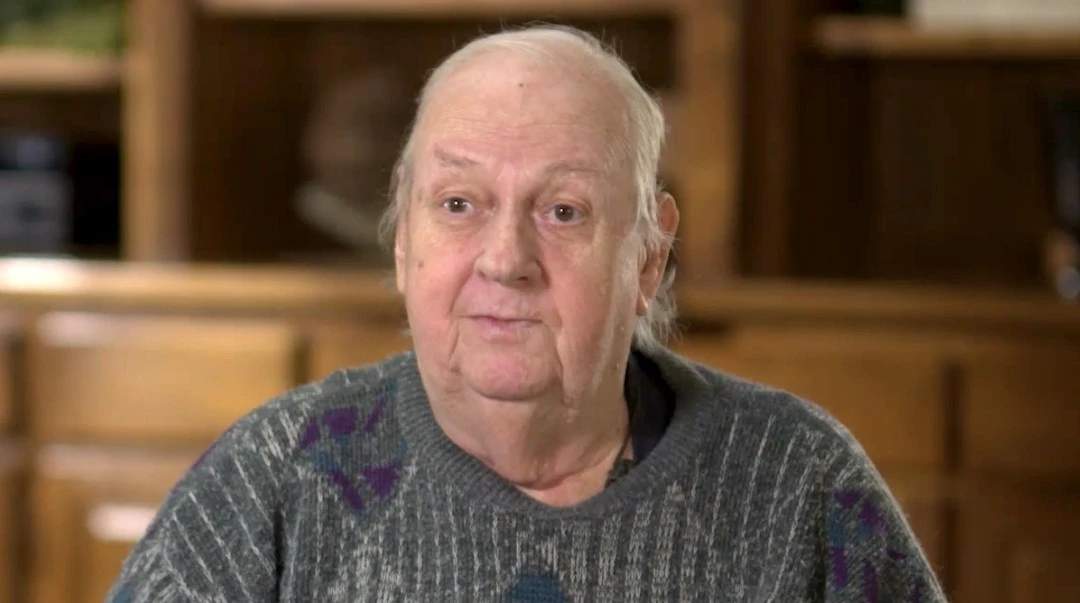
Clifford Stone passed away on February 10, 2021, at the age of 72, without leaving behind any physical evidence that could be independently examined to prove that 'Corona' was a real extraterrestrial being, that his civilization had scientific proof of the Creator’s existence, or that they possessed technology to communicate with the dead.
What sets his testimony apart is its tone, which differs from many accounts of alien abduction and hostile encounters. In Stone’s world, extraterrestrials weren’t just interested in technology and control they also cared about human emotions, suffering, and our questions about God, death, and the meaning of existence.
Perhaps the most poignant scene in his story is the one he describes at his son’s grave: two beings from different worlds, united in grief and prayer, contemplating a mystery that humanity has struggled with for thousands of years.
Did that scene really happen? Or was it a profound personal experience shaped by the grief of a man who lost his son and spent his life convinced he was communicating with a non-human intelligence?
The available evidence doesn’t allow for a definitive explanation of his personal experience, but it does allow for a clear judgment about his scientific claims:
So far, there is no independent evidence to support them.
Clifford Stone’s story remains a fascinating case at the intersection of psychology, religious belief, and alleged contact with extraterrestrials. It also raises a question that goes far beyond his own experience:
If there really are civilizations older and more advanced than ours, could they know more about the origins of existence and the fate of consciousness after death than we do? Or are humans, in their endless search for answers, projecting onto visitors from the skies the knowledge they long to find?
About the Author