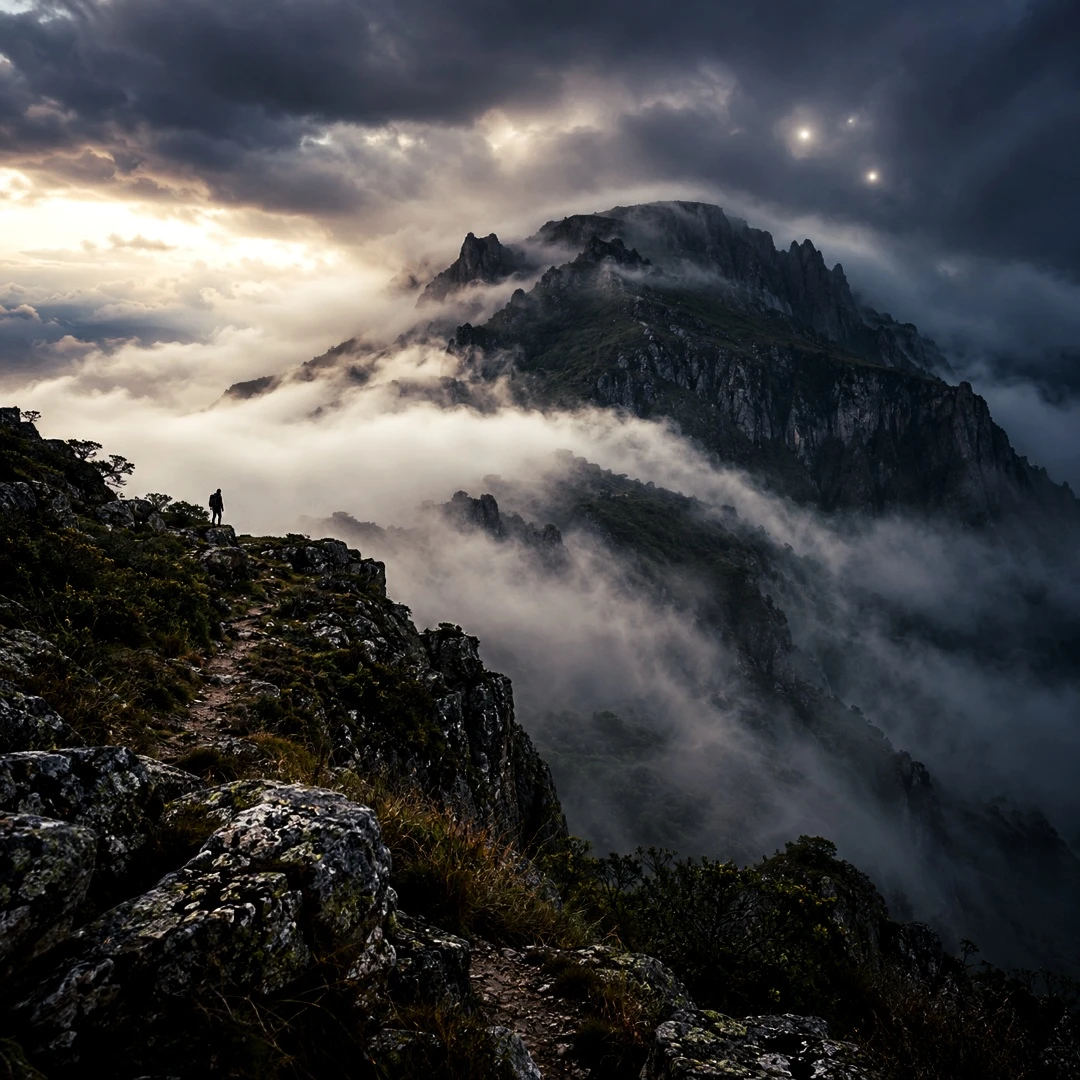
On January 4, 2014, Zimbabwean businessman Zaid Dada set out to climb Mount Nyangani with his wife and two friends. Halfway up, his companions grew tired and decided to stop, but Dada continued on alone. That was the last time anyone saw him. The 31-year-old vanished without a trace, despite extensive search efforts involving the army, police, and helicopters. His disappearance was just the latest in a long history of people going missing on a mountain notorious for such mysteries.
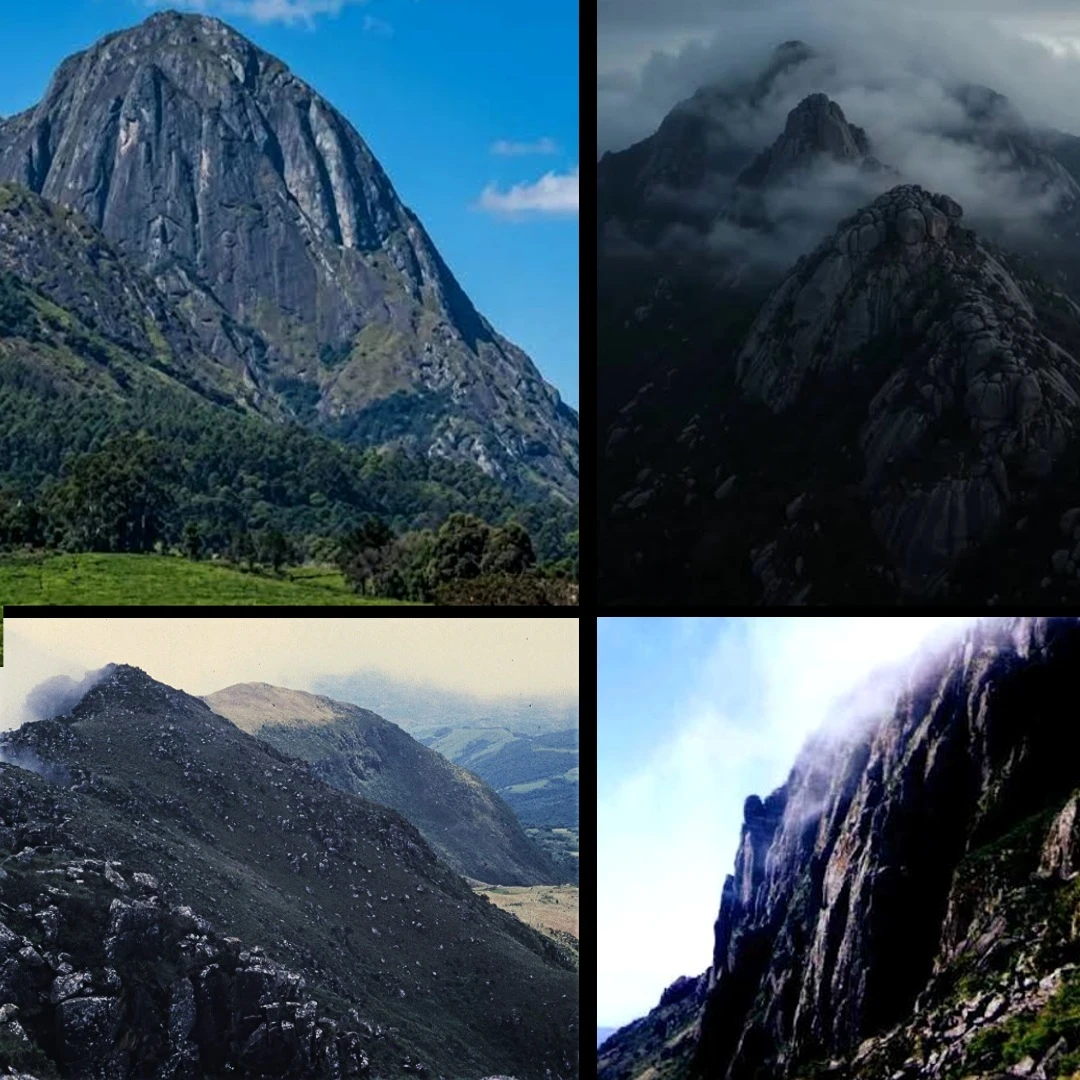
Mount Nyangani, formerly known as Inyangani, rises from Zimbabwe’s Eastern Highlands to a height of about 2,592 meters, making it the country’s tallest peak. Its slopes are covered in forests and rocky grasslands, surrounded by steep valleys, and thick fog can envelop the mountain in minutes. Despite its natural beauty, which attracts hikers and tourists, the mountain has a fearsome reputation among locals. Some even call it "the mountain that swallows people."
Adding to its mystique, the mountain has also become the subject of unusual stories linking it to a famous American intelligence program and rumors of a secret underground base beneath its rocks for repairing unidentified spacecraft.
Disappearances That Baffled Search Teams
One of the most well-known cases dates back to the early 1980s, when the daughters of Zimbabwean government official Tichaendipi Masaya vanished while on the mountain. Despite extensive searches, they were never found, and their story remains one of the region’s most haunting mysteries.
In November 1984, news reports described the disappearance of a student named Robert Ackhurst during a school trip to Nyangani with a teacher and classmates. Search efforts failed to uncover what happened to him, though some sources differ on the exact date and details of the incident.
The 2014 disappearance of Zaid Dada received widespread media coverage. After nearly two weeks of fruitless searching, his family agreed to let traditional leaders perform rituals intended, according to local beliefs, to appease the mountain’s guardian spirits. It was a striking scene: modern rescue teams stepped aside while practitioners of ancient customs took the lead in the search for the missing man.

Not everyone who loses their way on Nyangani disappears forever. In August of the same year, British student Thomas Gaisford shared his harrowing experience after climbing the mountain alone. When he reached the summit around 3 p.m., thick fog rolled in, followed by rain, and he lost his way. Forced to spend the night in his tent, surrounded by cold and the sounds of wild animals, he finally managed to descend safely the next morning when the fog lifted. His ordeal is a stark reminder of how quickly a mountain hike can turn into a real ordeal.
The Mountain of Spirits and Ancient Taboos
Mount Nyangani’s mysterious reputation predates reports of UFOs by centuries, though it’s impossible to pinpoint exactly when these beliefs began. For the Manyika people and other local communities, the mountain is not just a geological formation, it’s a sacred place inhabited by ancestral spirits and hidden forces that protect the land.
Generations have passed down warnings to visitors: don’t raise your voice, mock the mountain, or act arrogantly. Some traditions also advise against disturbing plants or objects along the trail. Many believe that breaking these taboos can anger the spirits, leading them to mislead or even make intruders disappear.

Some of the mountain’s strangest legends describe multicolored snakes coiled around a smoking clay pot, or gold bars lying temptingly on the path. Other tales speak of trees with human-like features and waterfalls that vanish without warning. In these stories, anything unusual or alluring might be a test for visitors—if you approach or try to take it, you risk provoking the wrath of the mountain’s guardians.
These beliefs are more than just scary stories. A study published in Cogent Social Sciences in January 2025 found that Nyangani’s legends play a role in shaping people’s behavior, protecting the environment, and fostering respect for sacred sites. This social and cultural function has endured for generations, regardless of whether the supernatural explanations are true.
Stories also tell of people losing their sense of direction, hearing strange sounds, or feeling disoriented—some even report walking in circles or failing to recognize familiar landmarks. Added to these are accounts of mysterious lights appearing over the mountain at night, though there’s little independent documentation to confirm what they are or how often they occur.
Stargate: Is There a Space Facility Inside the Mountain?
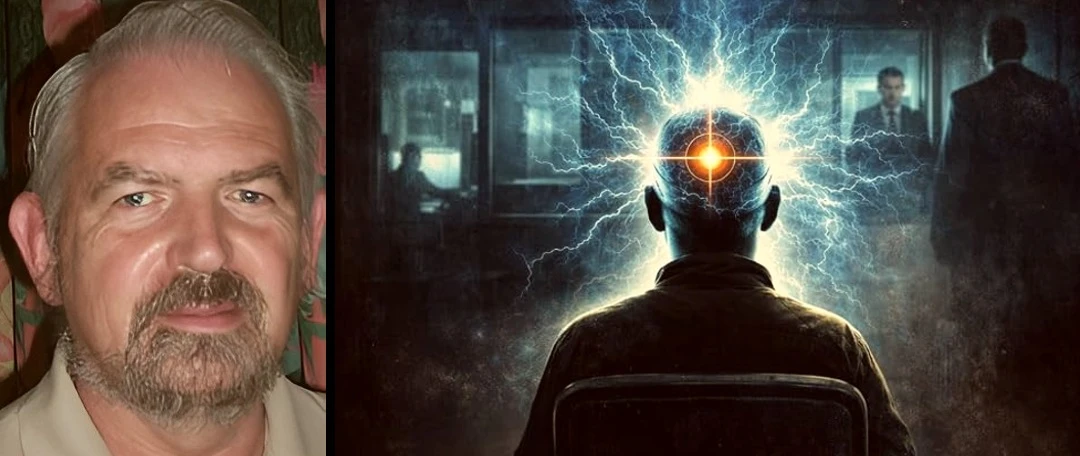
The mystery of Nyangani took a new turn when it became linked to Lyn Buchanan, a former US military officer who participated in Project Stargate, a Cold War-era program that explored the possibility of gathering intelligence through what is known as"Remote Viewing".
The idea was to try to describe distant locations or facilities without seeing them directly or relying on traditional reconnaissance methods. American intelligence agencies funded these experiments starting in the 1970s, a historical fact confirmed by later declassified documents.
But the story of alien bases actually began years before Buchanan’s involvement. In 1973, Pat Price, a remote viewing practitioner, claimed he had identified four secret bases belonging to non-human entities, hidden within mountains around the world. At the time, Price was working with the Stanford Research Institute, but he made these claims on his own initiative, not as part of any official intelligence assignment.
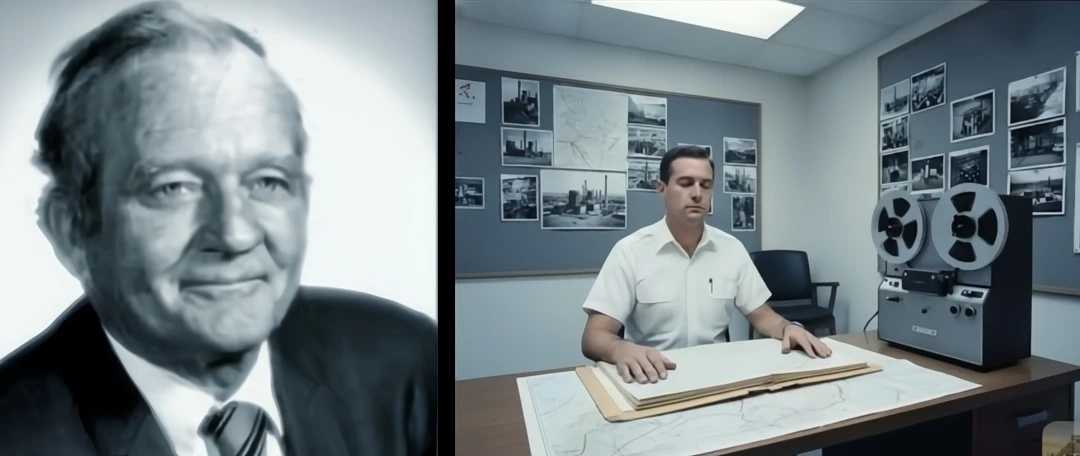
According to documents attributed to Price, the main base was located in the Pyrenees on the Spanish-French border. There was a personnel and transport center inside Mount Zeil in Australia, a facility for weather and geological control at Mount Hayes in Alaska, and, in Price’s view, Mount Nyangani in Zimbabwe served as a primary center for maintenance and technical repairs.
Price didn’t just pinpoint locations, he also described what he believed were advanced pieces of equipment, welding operations inside airless chambers, and unfamiliar technical systems. He mentioned tubes and devices that might be used to alter air properties, as well as teams working inside the facility.
Later, Price’s papers came into the hands of US intelligence officer Skip Atwater, who used them to set up experimental sessions under the name "Project 8200." The goal was to test descriptions of these sites using other remote viewing participants. Notable names involved in these experiments included Joe McMoneagle and Lyn Buchanan.
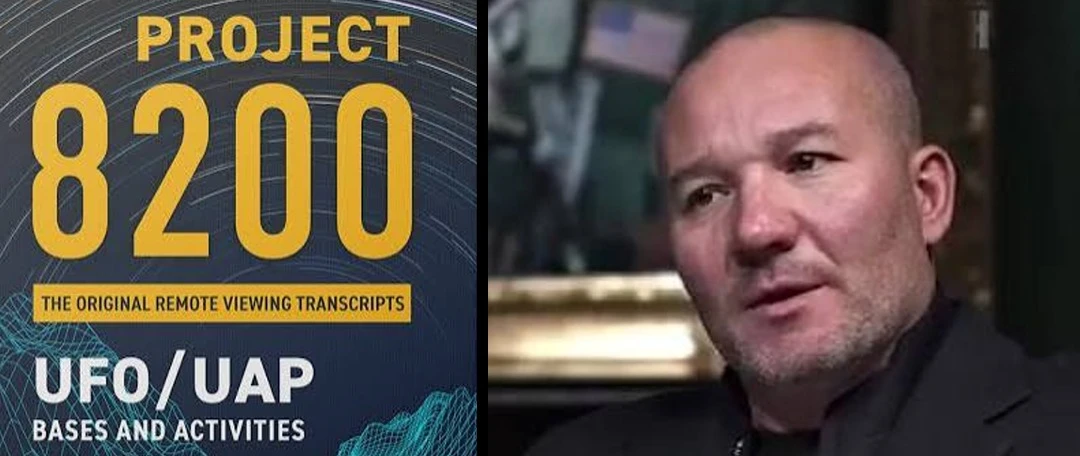
Atwater published details of the project in a book released in 2024. The story gained renewed attention in 2026, when Buchanan discussed the four bases in media interviews and once again linked Nyangani to a supposed UFO maintenance facility.
So, two very different stories have become associated with the same place: one, an old African legend about spirits that mislead people, and the other, a modern tale of a hidden underground facility run by non-human entities.
What does the investigation reveal?
The historical existence of Project Stargate doesn’t mean its findings were accurate. Remote viewing research underwent independent review in 1995, which concluded that the information it produced was too inconsistent and unreliable for intelligence operations. As a result, the program was shut down.
There is also no known geological or archaeological evidence of an alien facility beneath Nyangani, nor are there any verified photos or radar data showing unidentified craft entering or leaving the mountain. Even stories linking strange lights to disappearances don’t provide a verifiable cause-and-effect relationship. As for Pat Price’s papers, they document what he claimed to perceive mentally, but do not constitute any on-the-ground discovery of the alleged bases.
The mountain’s own nature offers a possible explanation for many disappearances. Sudden shifts from clear weather to dense fog can erase visual landmarks hikers rely on for navigation, while steep slopes and rocky ravines make any deviation from the path dangerous. Park officials in Zimbabwe have pointed to these factors when discussing the disappearance of Zayed Dada.
Still, explaining the conditions that lead to people getting lost doesn’t reveal the actual fate of every missing person. What happened to those who were never found remains unknown in the absence of definitive evidence.
What truly sets Nyangani apart is that its mystery isn’t rooted in a single story, but in centuries of beliefs, real cases of people vanishing, accounts from survivors, and, more recently, unusual intelligence claims that have added yet another layer to the legend.
Between the ancestral spirits feared by locals and the alien craft described by Price and Buchanan, the mountain remains unchanged: a silent, fog-shrouded highland that keeps its stories of those who climbed it and never returned. Nyangani doesn’t need to hide an alien base to remain mysterious—the unresolved fate of some who disappeared there is enough to leave questions that still have no answers.
About the Author