Despite its reputation for tropical tranquility and natural beauty, the Philippines hides a world of spiritual traditions, supernatural beings, and secret rituals behind its beaches, jungles, and mysterious islands.
In fact, the Philippines is one of the few countries where legends and folklore remain woven into daily life, especially in rural areas and remote islands, where Catholic beliefs blend with remnants of local magic and spirit worship.
This article explores some of the Philippines’ most bizarre supernatural phenomena and entities, stories that, despite their strangeness, are widely believed and continue to shape the everyday lives of many Filipinos.
1. The Aswang
The Aswang is one of the most infamous supernatural creatures in the Philippines, seen as the embodiment of evil. It takes many forms: sometimes a vampire, sometimes a deformed wolf- or dog-like creature, or even a beautiful woman who transforms into a predator at night.
What makes the Aswang especially frightening is the belief that it lives among ordinary people by day, only revealing its monstrous nature at night to satisfy its dark cravings.
These stories are often used to scare children, but in some regions, belief in the Aswang is taken very seriously, with certain homes rumored to be inhabited by these creatures.
2. The Manananggal: The Woman Who Splits in Two
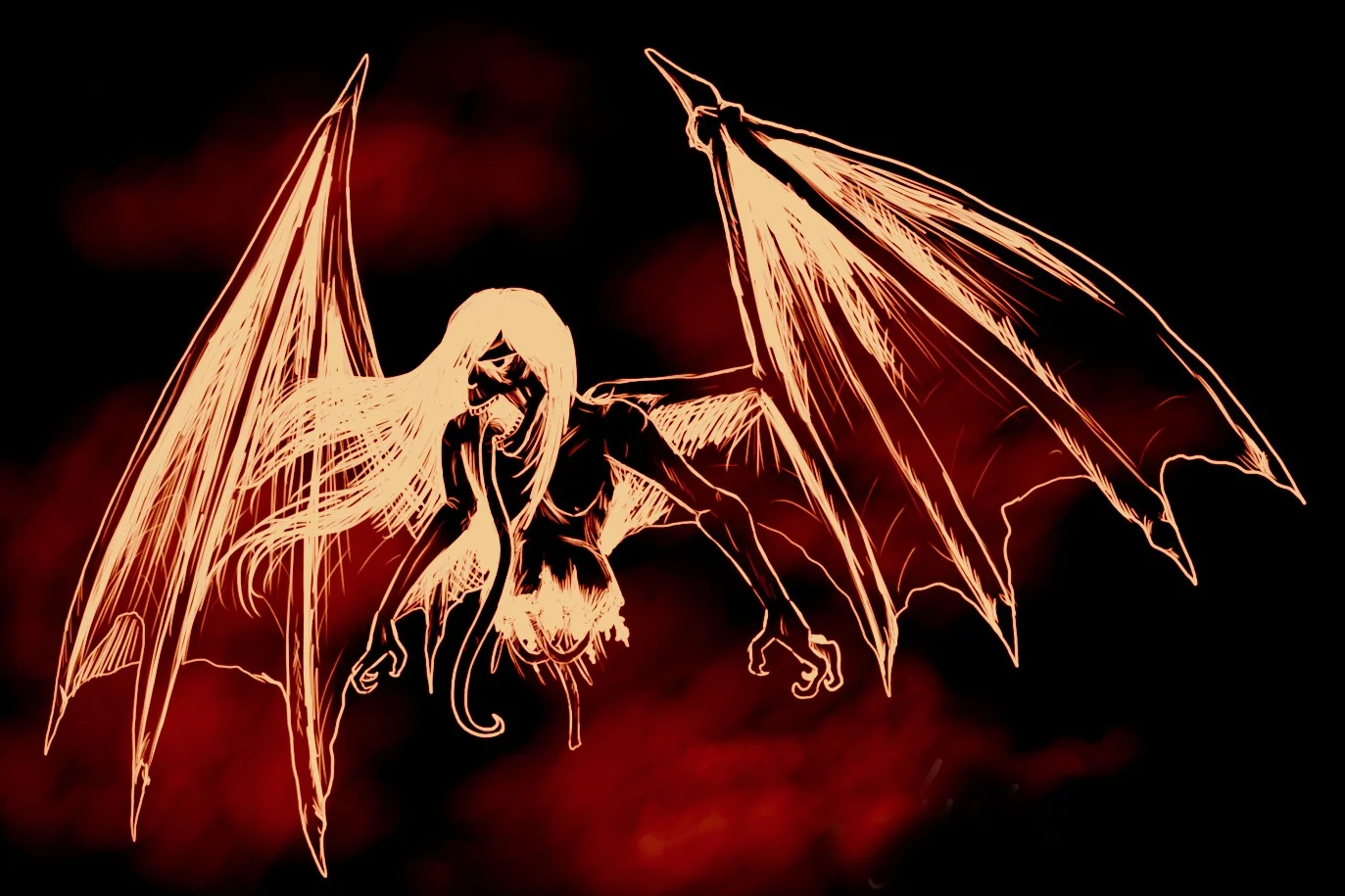
One of the most terrifying legends in Filipino folklore, the Manananggal appears as a beautiful woman by day. At night, she splits in half: her lower body remains hidden, while her upper half sprouts giant wings and flies off in search of victims, often pregnant women, whose unborn children she is said to prey upon. The only way to kill her is to find her lower half while she’s away and sprinkle it with salt, garlic, or holy ash.
3. Folk Magic and Filipino Witches
Black magic, known as Kulam, is still practiced in many parts of the Philippines, especially on islands like Siquijor, which is locally called the 'Island of Witches.'
Witches, or Mangkukulam, offer their services to those seeking revenge, casting curses, breaking up couples, or causing mysterious illnesses. On the other hand, there are spiritual healers called Albularyo, believed to have the power to break spells and cure ailments caused by spirits or envy. Their tools range from animal ashes and magical ink to herbs mixed with rooster’s blood.
4. The Tiyanak: The Demon Child Legend
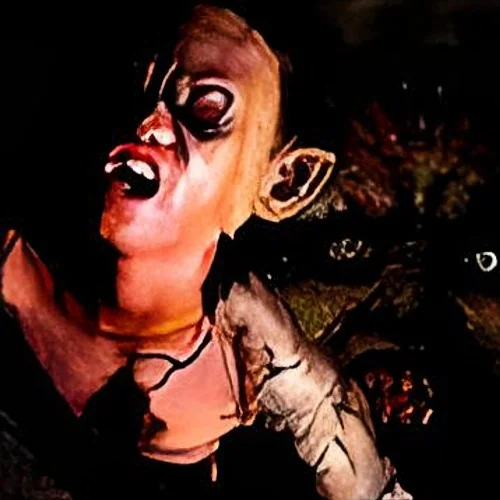
In the dense forests or among the ruins of old villages, locals say you might hear a baby crying in the middle of the night. Don’t follow the sound, it might not be a real child, but the Tiyanak, one of the most terrifying supernatural beings in Filipino folklore.
The Tiyanak is often described as a baby who died before baptism or was stillborn, possessed by an evil spirit and returned to the world as a monster. It mimics the cries of infants to lure people deep into the forest. When someone approaches out of pity, the creature transforms into a small demon with a furious face and sharp fangs, attacking its victim.
Stories vary: some say the Tiyanak is the spirit of a child who died during pregnancy; others link it to black magic, with witches summoning these creatures to harm people.
In some villages, people avoid going out after sunset and place garlic or ashes by their doors to protect themselves from 'the child who was not laid to rest.'
The Tiyanak is more than just a mythical creature, it embodies fears of vengeful spirits, tragic births, and untimely deaths. Its legend has deeply influenced burial customs, religious rituals, and the belief in the urgent need to baptize infants.
5-The Encantos: Spirits of the Natural World
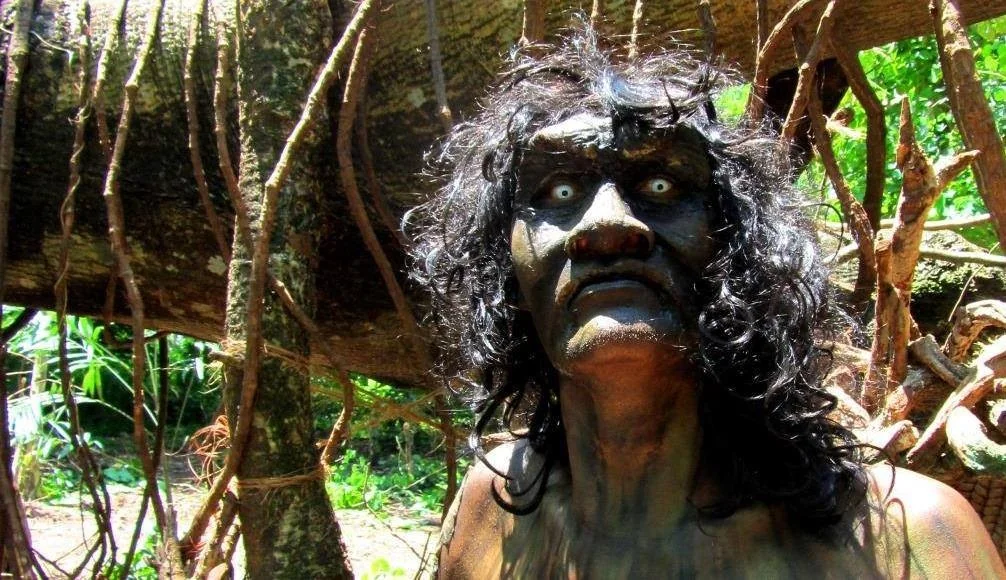
Encantos are mysterious, human-like beings said to be more beautiful and radiant than ordinary people. According to legend, they inhabit forests, rivers, and sacred Balete trees. Those who disrespect them such as by cutting down a tree they dwell in—risk falling under a curse, which might manifest as sudden illness, disappearance, or years-long possession. In some stories, people are abducted by Encantos and return days later with no memory of what happened, or in a state of unexplained shock.
6. Funeral Rituals and Interacting with Spirits
In the Philippines, death is not seen as the end of a relationship with the deceased. Many believe that spirits linger around the home for nine days after passing. During this period, a ritual called Pagpag is observed, where mourners leave the wake and go elsewhere before returning home, to avoid bringing the spirit with them. Certain foods and actions are forbidden during these days, as breaking these taboos is thought to risk angering the spirit.
7. Siquijor Island – Land of Magic and Spiritual Healing
Siquijor is one of the Philippines’ most mysterious places, drawing visitors seeking either healing or harm. Healers on the island use secret recipes passed down through generations and perform rituals under the full moon to create 'magical oils' used for binding, love, or protection from spirits. Despite technological advances, the island is still regarded as a special place with unwritten rules that must be respected.
8. Possession and Mysterious Psychological Explanations
It’s notable that many cases of epilepsy or mental breakdowns are interpreted as spirit possession or abduction. People often turn to an Albularyo a traditional healer, instead of a doctor. One common ritual is Tawas, where melted wax is dripped into water to reveal the type of spirit believed to be causing harm.
9. Mummification Before Death
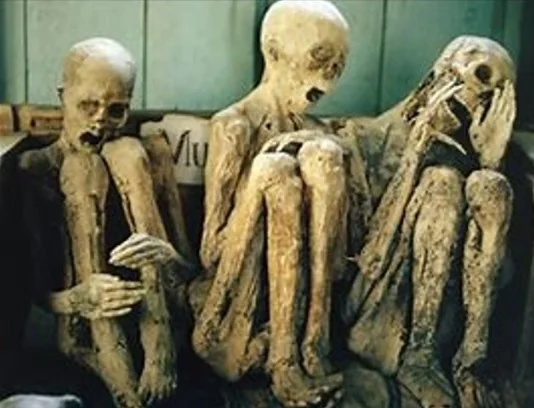
It may sound strange even shocking but among some ancient Filipino tribes, especially the Ibaloi people in Benguet in the north, there was a rare ritual known as 'mummification before death.'
In this practice, when someone realized they were nearing death, their relatives would begin the mummification process while the person was still alive. They would be given small amounts of salty herbal drinks containing natural preservatives, and left to die gradually, seated upright in a bamboo chair.
After death, the body would be smoked over a gentle fire for weeks or even months, anointed with fragrant plant extracts, and finally placed in a cave or rock crevice. The result is a remarkably well-preserved body, with facial features and hand details remaining clear for decades.
The purpose of this ritual was not just to preserve the body, but to ensure that the spirit would not return to harm the living, as long as the body was honored in a sacred way.
Today, some of these bodies can still be found in the caves of Kabayan, known as the 'Benguet Mummies.' This is one of the world’s rarest forms of mummification, where death meets consciousness, the body meets the spirit, and legend meets science.
10. Spiritual Swords
Some swords are surrounded by spiritual beliefs and legends that grant them supernatural powers. Moro warriors believed that the Kampilan sword drew spiritual energy from engravings of Bakunawa, the mythical sea dragon said to swallow the moon during eclipses, giving the sword the power to bring victory and protect against evil spirits.
Smaller versions, like the Gunong, are used in magical rituals and offerings, believed to help communicate with spirits or grant strength and courage before battle. Some shamans consider these swords to possess a 'living spirit' and believe the sword chooses its owner. Those who are not compatible with their sword may face misfortune or even death in battle.
What truly sets the Philippines apart is that these phenomena aren’t confined to folklore books or heritage museums, they’re woven into daily life. Families pass down these stories, and people speak of them in hushed, cautious tones in villages and cities alike. They’re more than just old tales; they offer a rare glimpse into how people confront the unknown, fear, and death, and how they create intricate artistic, cultural, and religious traditions around these mysteries.
About the Author