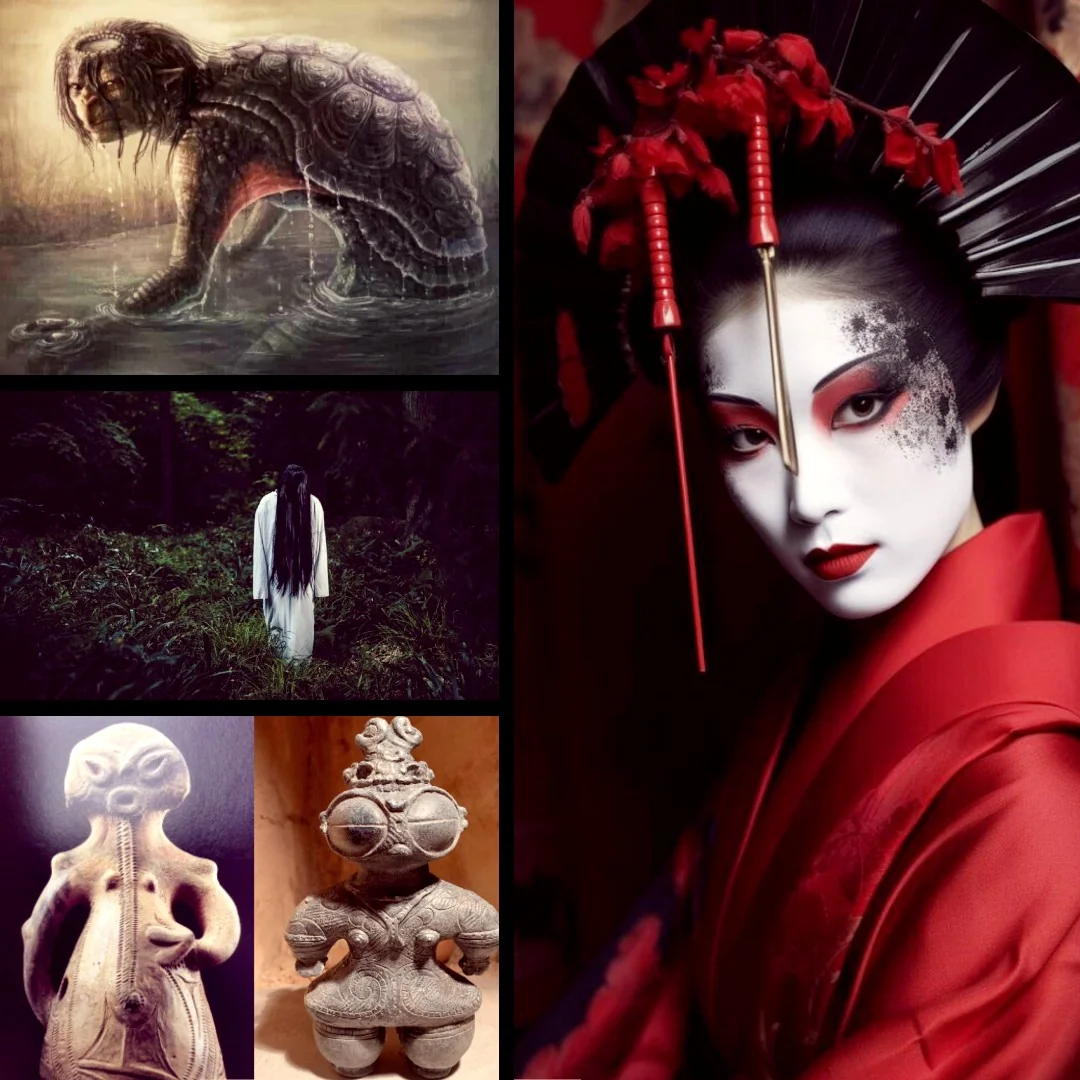
Japan is a land of wonders, not just for its cutting-edge technology and modern culture, but also for its deep spiritual roots and rich folklore. Here, the world of humans blends seamlessly with that of spirits, and ancient legends are woven into daily life, becoming an inseparable part of the national psyche.
Whether you're wandering through Tokyo's bustling streets or the old alleyways of Kyoto, you can't help but sense a hidden world of spirits and mysterious beings lurking behind the neon lights and modern buildings.
In this paranormal journey, we'll explore the depths of this unseen world: legendary yōkai creatures, chilling urban legends, mysterious rituals, haunted places, and even ancient artifacts that defy logical explanation.
The World of Yōkai and Mythical Creatures
In Japanese culture, the word yōkai refers to 'strange beings', mysterious creatures that range from benevolent to malevolent spirits. They might be shape-shifting animals, humans cursed by fate, or even personifications of natural phenomena. While they share some similarities with the concept of 'jinn' in Arab culture, yōkai are far more diverse in form and ability. Among the hundreds of yōkai, a few have become unforgettable figures in Japanese folklore:
1- The Wandering Spirits (Yūrei)
Yūrei are a subset of yōkai, but they're more closely tied to humans. These are spirits who were denied proper burial rites or died consumed by hatred or injustice. They're often depicted with pale faces, long black hair, white kimonos, and no feet. One famous tale is that of Otsuyu, a woman whose lover discovers she is, in fact, a ghost.
2- Kappa
Kappa are small, amphibious creatures that look like a cross between a turtle and a human, with a beak-like mouth and a water-filled dish on top of their heads that gives them their power. They are said to live in rivers and ponds, and children are often warned not to play near water for fear that a kappa might drag them under.
Kappa are known for their mischievous pranks, but they can become dangerous when angered, attacking livestock or even people. However, if you bow to a kappa, it will bow back, causing the water on its head to spill and leaving it powerless. The kappa embodies the dual nature of water as both life-giving and deadly. Stories about kappa have also served as cautionary tales to keep children safe from drowning.
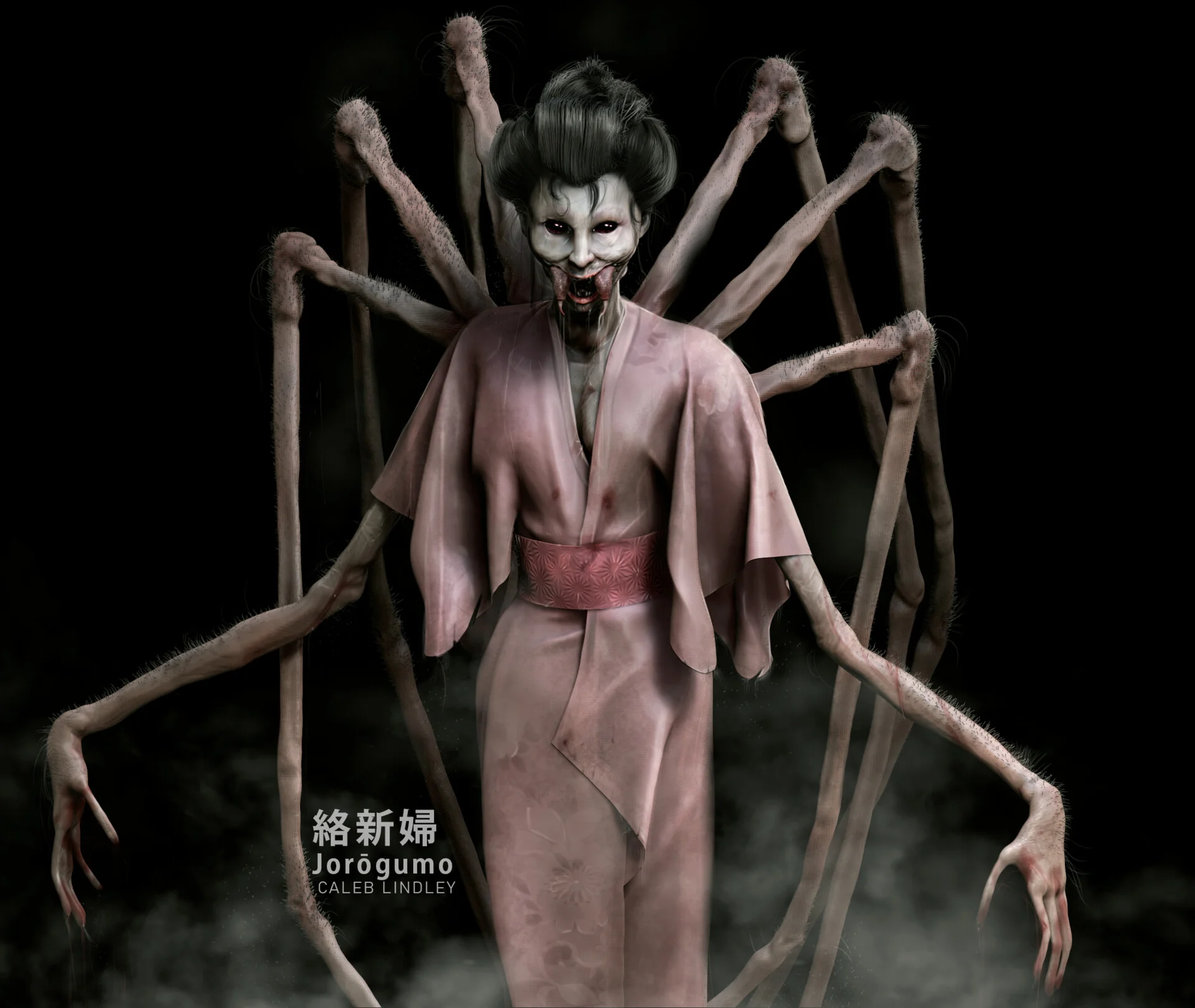
3- The Spider Woman (Jorōgumo)
By day, Jorōgumo appears as the most beautiful woman in town, but at night she transforms into a giant spider, spinning webs to ensnare her victims. According to legend, she once lived near a mountain waterfall, luring passing men with her beauty and enchanting them with music before devouring them. Even today, there's a waterfall in Gifu Prefecture known as 'The Spider Woman's Falls.' Jorōgumo represents deception and desire, warning against being seduced by outward beauty that hides deadly danger.
4- The Long-Necked Woman (Rokurokubi)
By day, she seems like an ordinary woman, but at night her neck stretches to unnatural lengths so she can spy on or attack others. This curse is believed to afflict women who have committed serious sins or harbor deep grudges. Rokurokubi symbolizes hypocrisy, a person who appears normal in public but hides a terrifying secret.
5- Japan's 'God of Death' (Shinigami)
A mysterious figure who escorts souls to the afterlife, the shinigami looks human but has a pale, corpse-like face. Unlike the Grim Reaper in other cultures, Shinigami Rather than killing or punishing, the Shinigami acts as a guide, accompanying souls on their final journey. The figure became especially prominent in modern manga and anime like Death Note, but its origins trace back to ancient Buddhist texts.
6- House Spirits (Yanari)
On dark nights, residents sometimes hear rattling sounds, vibrations in the walls, or muffled laughter. These phenomena are attributed to small creatures called 'Yanari,' similar to household spirits in other cultures or 'Amar al-Makan' in Arab folklore. Some believe these spirits reflect family anxiety or tension, or are the result of souls not properly honored during burial rituals.
7- Spirits Dwelling in Objects (Tsukumogami)
In Japanese belief, objects—especially dolls or old tools—can acquire a spirit if neglected for a long time. These items may become sentient beings capable of seeking revenge on those who abandoned them. This idea explains famous haunted doll stories, such as the 'Okiku' doll still displayed at a temple.
Mysterious Rituals and Practices
Cursed Doll (Wara Ningyo)
A straw doll used in rituals similar to voodoo, where nails are driven into the doll and it is hung on a tree near a shrine at midnight. The ritual is intended to harm the target of the curse. It must be performed in secret, if anyone witnesses it, the curse is said to backfire on the practitioner.
Japan’s Mysterious Mummification Rituals
Some Japanese temples contain mummies of monks who underwent a grueling ritual known as Sokushinbutsu, aiming to achieve ultimate enlightenment by self-mummification while still alive.
The monk follows a process lasting over five years, starting with a strict diet of roots and nuts to dry out the body’s fat and fluids. Later, he drinks a poisonous tea made from the urushi tree to kill bacteria and insects after death. In the final stage, the monk is sealed in a small chamber with a breathing tube and a bell he rings daily. When the bell stops, the chamber is closed and the body is left to complete natural mummification. After three years, if the body is well-preserved, it is displayed in the temple as a symbol of enlightenment and sanctity.
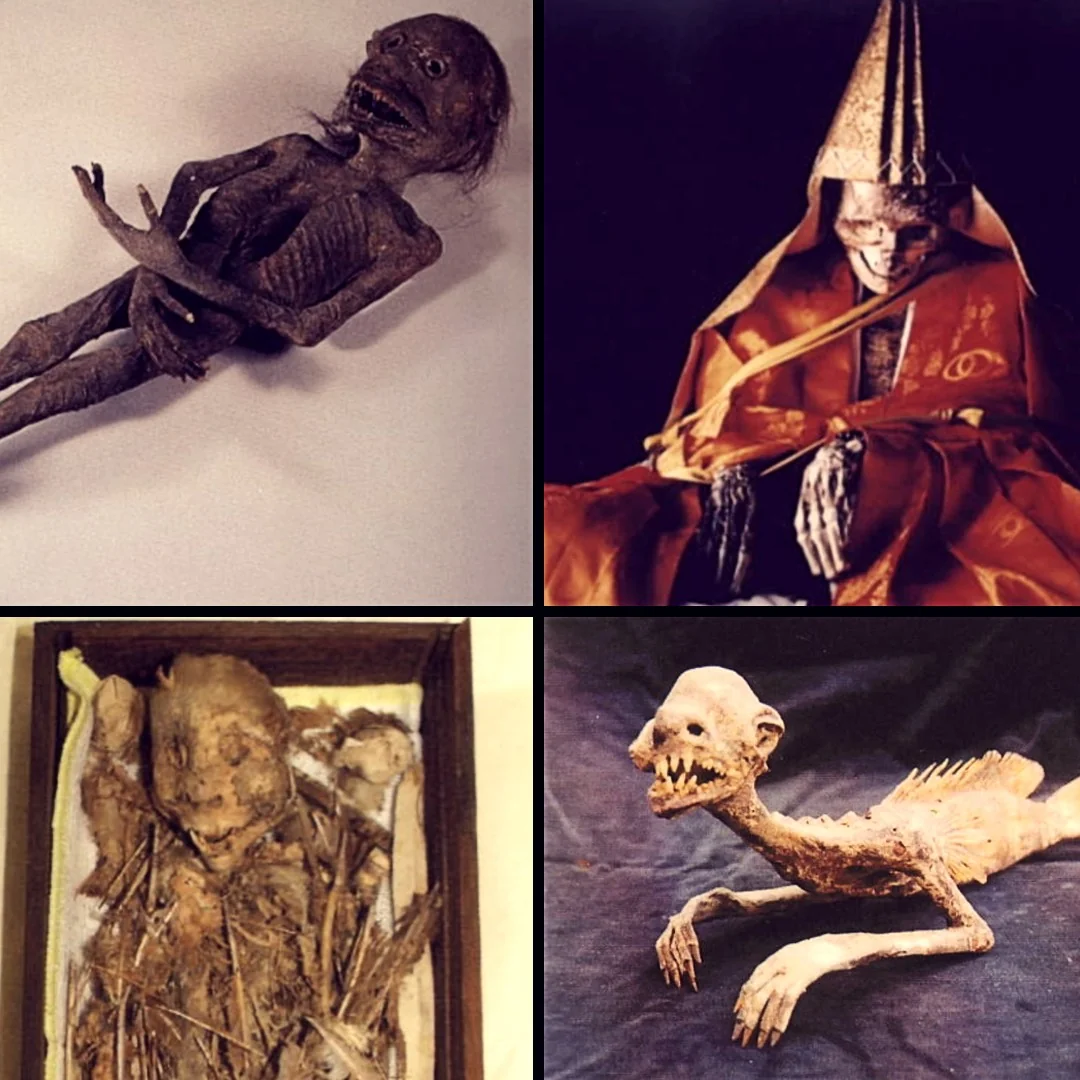
Some temples also keep mummies of strange creatures like Kappa and Tengu. While some believe these are remains of supernatural beings, scientists suggest they are composites made from human and animal parts.
These mummies continue to spark debate, some see them as proof of spiritual power, while others interpret them as mysterious religious or legendary phenomena.
The Hundred Ghost Stories Ritual (Hyakumonogatari Kaidankai)
This ritual dates back to the era of the samurai, when warriors would gather at night to test their courage and resolve. One hundred candles are lit in a room, and each participant shares a terrifying story either from folklore or personal experience before extinguishing a candle. As the room grows darker, the tension and fear intensify. Legend has it that when the final candle is blown out, spirits may actually appear. Completing the ritual was seen as proof of bravery among samurai, though Buddhist monks warned of its dangers, believing it could open a gateway to the spirit world that's difficult to close.
The Doll Wedding
This ritual emerged after World War II, when soldiers were killed before they could marry. Their families created a ceremony in which the fallen are symbolically wed to a 'bride doll' representing their spirit. The ritual takes place in a Buddhist temple, where the doll is placed beside the soldier’s photo in a sacred box, and special prayers are recited. The purpose is to grant the soldier spiritual peace and a place in the afterlife.
Dogū Figurines
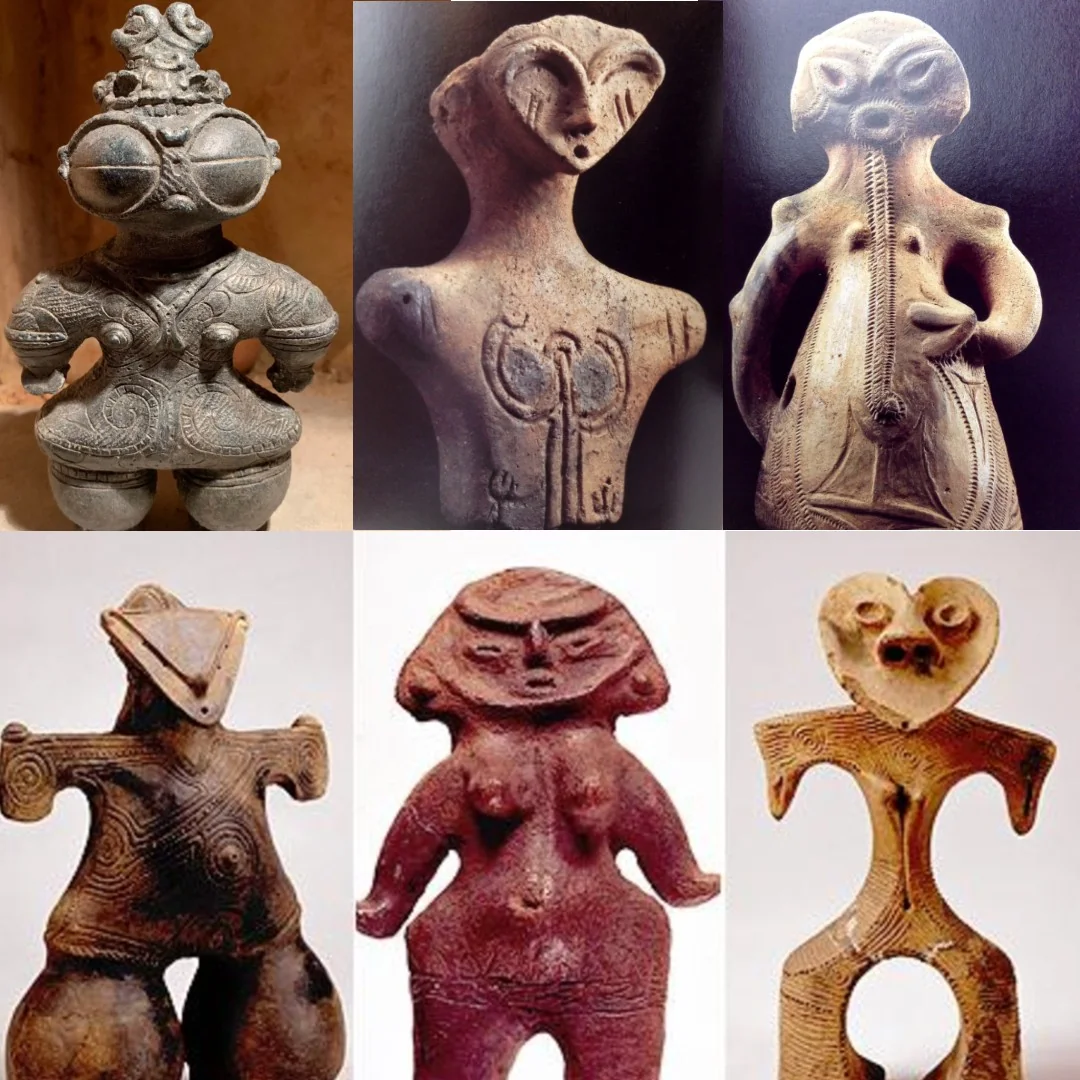
These clay figures, over 18,000 have been discovered, date back to the Jōmon period (10,000–300 BCE). Characterized by large eyes and unusual bodies, their exact purpose remains a mystery. Some believe they were ritual objects for fertility worship, while others see them as representations of extraterrestrial visitors. Today, they are displayed in Japanese museums, and their origins continue to puzzle researchers.
Unlucky Numbers in Japan
Certain numbers are considered unlucky in Japanese culture, especially 4 (Shi) and 9 (Ku). The number 4 is pronounced 'shi,' which is also the word for 'death' (死), making it a symbol of mortality. As a result, hospital rooms and hotel floors labeled with this number are often omitted, and gifts in sets of four are avoided.
The number 9 is pronounced 'ku,' similar to the word (苦) meaning 'suffering' or 'pain.' It's associated with illness and grief, and is banned from delivery rooms and patient wards. This fear is known globally as tetraphobia, but in Japan, it applies to both numbers.
Even airlines and car manufacturers avoid these numbers, and people steer clear of scheduling important events on the 4th or 9th of the month. Despite technological advances, this belief remains strong and is woven into daily life as part of Japan’s rich cultural heritage.
Haunted Places in Japan
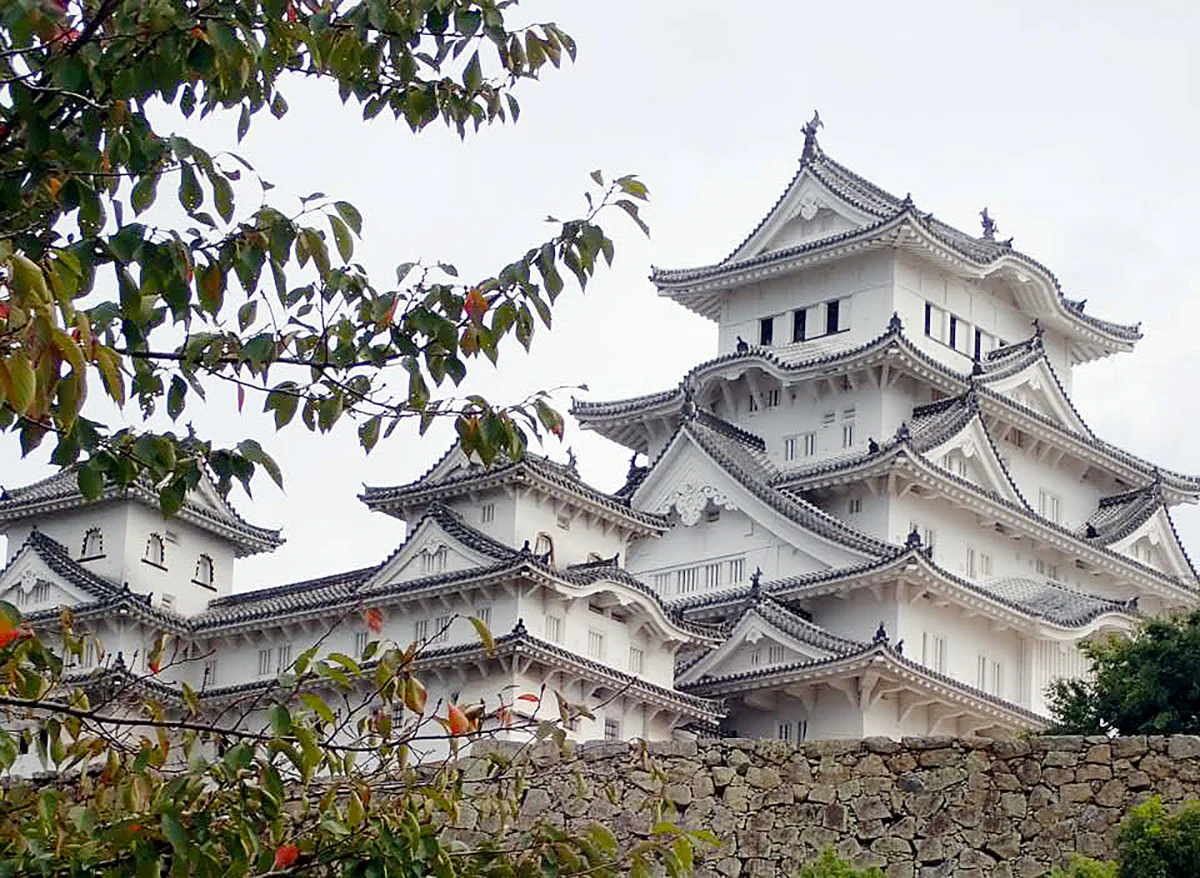
1- Himeji Castle
Himeji Castle is one of Japan’s most beautiful historic landmarks, but it’s also shrouded in a chilling legend. The ghost of a servant named Okiku is said to wander its halls, weeping after being wrongfully executed and thrown into a well within the castle grounds. Visitors still report hearing her cries and whispers near the well, and some claim to see her shadow crossing the corridors at night. This haunting tale has made the castle a favorite destination for fans of ghost stories and legends. Read more about this legend on Himeji Castle .
2- Aokigahara Forest
Considered one of the most terrifying places in Japan, this forest lies at the base of Mount Fuji and is known for its dense trees that block out sunlight, creating an oppressive and mysterious atmosphere. It's internationally infamous as the "Suicide Forest" due to the high number of suicides that occur there each year, as many choose it as a quiet place to end their lives. Strange phenomena are often reported, such as navigation devices losing signal, eerie screams or whispers, and shadowy figures moving among the trees. Many believe the restless spirits of those who died there still wander the forest, unable to find peace.
3. Sendagaya Tunnel in Tokyo
This old tunnel connects different neighborhoods in Tokyo and is notorious among drivers for its chilling stories. Some claim to see ghostly faces screaming from the tunnel walls or catch a glimpse of a phantom passenger suddenly appearing in their rearview mirror before vanishing. A number of taxi drivers avoid the tunnel altogether, believing it's a gateway to the spirit world especially given the mysterious accidents that happen inside without any clear cause.
Japanese Urban Legends
Modern Japan is full of urban legends that circulate in schools, public restrooms, and even online, providing endless material for popular horror stories.
1. The Deadly Hide-and-Seek Game (Hitori Kakurenbo)
In this ritual, a doll is stuffed with rice and sewn shut with red thread. A spirit is then summoned through a special ceremony to possess the doll, and the participant plays a game of hide-and-seek with the summoned entity. It's said that the spirit may not return to its world easily, leaving the doll haunted and dangerous.
2. The Red Cloak Bathroom Ghost (Aka Manto)
This ghost, draped in a red cloak, appears in public restrooms especially in schools and asks victims, "Do you want red paper or blue paper?" Any answer leads to a gruesome fate. The legend warns that making the wrong choice in life can be deadly and reflects a fear of dark, isolated places.
3. The Slit-Mouthed Woman (Kuchisake-Onna)
A beautiful woman wearing a surgical mask approaches strangers and asks, "Am I pretty?" If they say "no," she kills them. If they say "yes," she removes her mask to reveal a mouth slit from ear to ear—then kills them anyway. The story plays on fears of betrayal and deceptive beauty, and became especially widespread in the 1970s.
4. Ghost Passengers in Taxis
There are numerous stories of ghostly passengers who request a specific destination, only to vanish and leave the seat empty upon arrival. Some drivers have even found money left behind after the ghost disappears.
A Land Haunted by Spirits
Japan is more than just an archipelago, it's a unique world where legends come alive in the heart of modern cities, and every tree or temple might be home to an ancient spirit.
This journey has only scratched the surface of Japan's deep well of mysteries, making it one of the richest cultures for the supernatural and a destination for those seeking truth or a good scare.
About the Author